


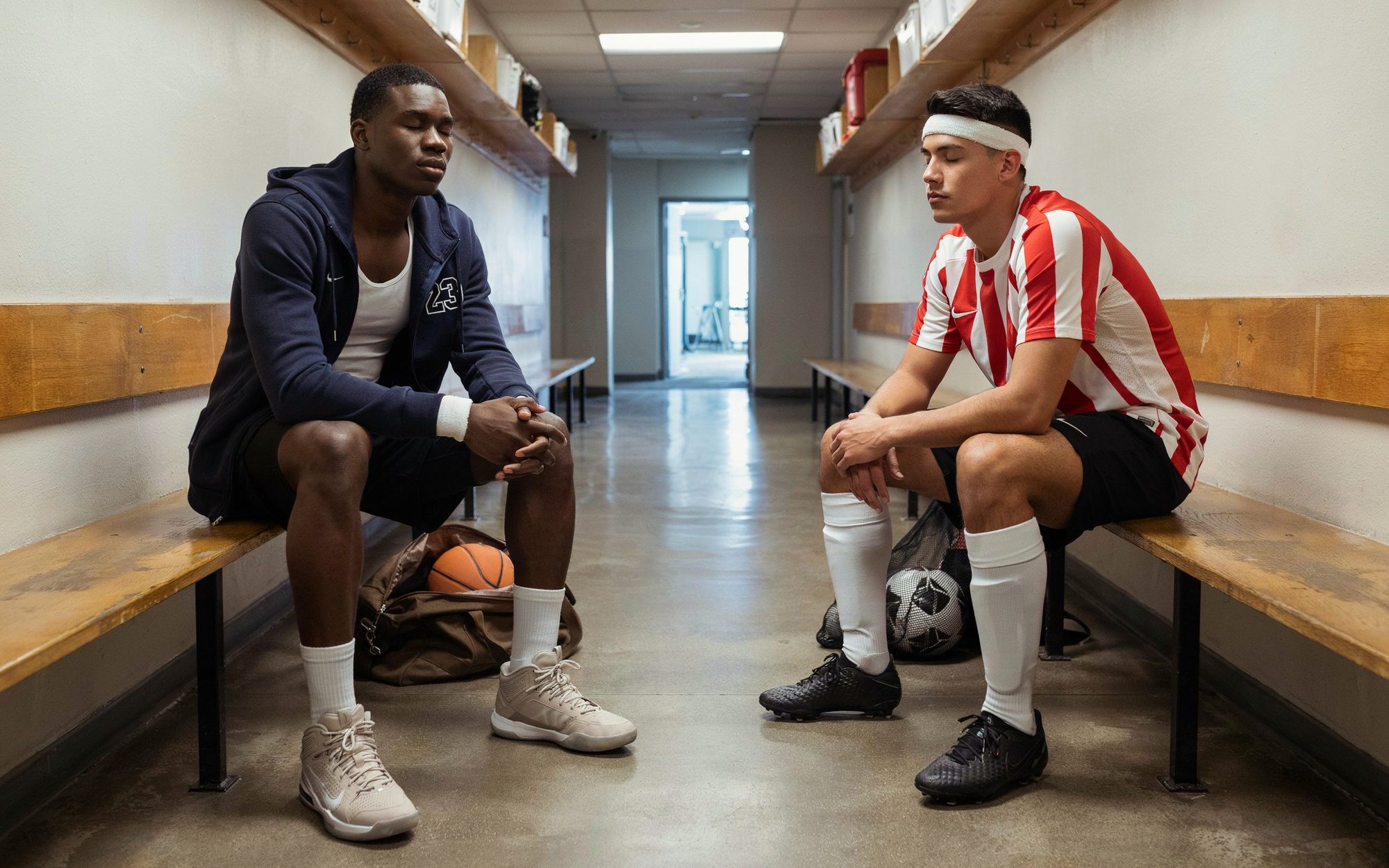
Championship moments are often remembered for spectacular plays, remarkable speed, or extraordinary physical ability. What is rarely seen is the countless mental decisions that make those moments possible. Before an athlete performs with confidence under pressure, there has already been an internal competition taking place. The ability to focus, manage emotions, prepare intentionally, and respond to adversity often determines performance long before the opening whistle or starting signal.
Physical training remains essential, but it is only one part of sustained athletic excellence. As competition becomes more demanding, the difference between athletes with similar physical abilities is increasingly determined by their mindset. Confidence, discipline, emotional control, and resilience become the invisible advantages that separate consistent performers from inconsistent ones.
Confidence is frequently misunderstood. It is not believing that success is guaranteed. Genuine confidence grows from preparation. Athletes who consistently practice with intention develop trust in their abilities because they have repeatedly demonstrated competence during training. When preparation becomes a daily habit, confidence becomes the natural result rather than a temporary feeling that depends on recent outcomes.

Focus is equally valuable in competitive environments filled with distractions. Every game presents circumstances beyond an athlete's control, including officiating decisions, crowd reactions, weather conditions, and unexpected mistakes. Elite performers recognize that attention is a limited resource. Rather than investing energy in external factors, they concentrate on effort, execution, and the next decision that moves performance forward. This disciplined focus allows athletes to remain composed even when circumstances become unpredictable.
Preparation extends beyond physical conditioning. Mental rehearsal has become an increasingly important component of high performance across sports. Athletes who visualize successful execution, anticipate challenging situations, and mentally rehearse effective responses strengthen their readiness before competition even begins. This intentional practice creates familiarity, reducing uncertainty when similar moments arise during actual performance.
Resilience may be the defining characteristic of long term success. Every athlete experiences setbacks through losses, injuries, disappointing performances, or periods of slow improvement. Those experiences do not determine future achievement. The response to those experiences does. Athletes who reflect honestly, learn from mistakes, and return with renewed determination transform temporary disappointment into valuable development. Growth often accelerates after adversity when challenges are viewed as opportunities to improve rather than evidence of limitation.
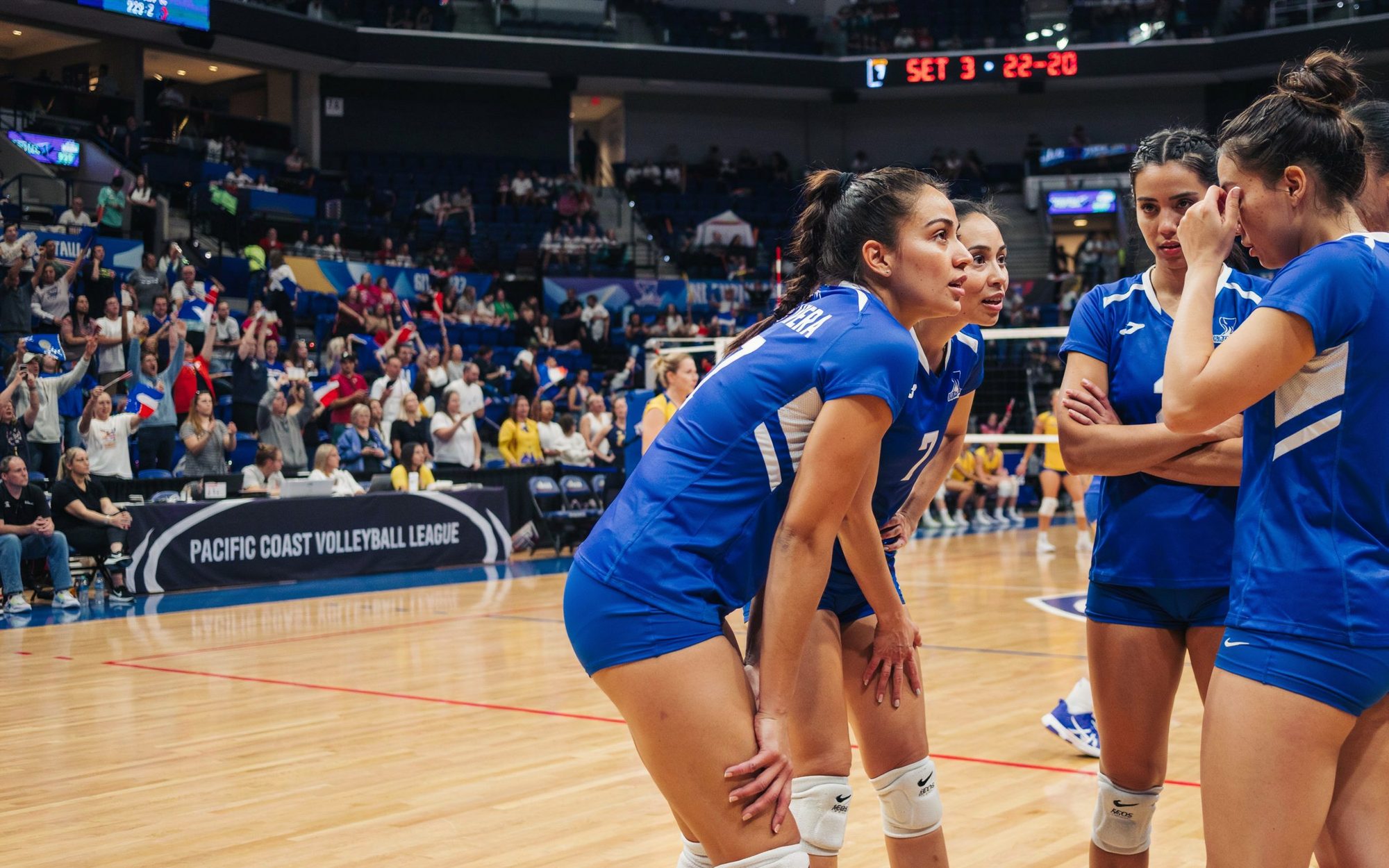
Equally important is emotional regulation. Competition naturally creates excitement, pressure, frustration, and uncertainty. Athletes who learn to manage these emotions without allowing them to control decision making consistently perform with greater clarity. Emotional discipline preserves energy, sharpens concentration, and improves communication with teammates and coaches during critical moments.
The strongest competitors also understand that mindset influences the entire team. Optimism, accountability, encouragement, and composure are contagious qualities that elevate collective performance. Athletes who remain positive during adversity often strengthen the confidence of everyone around them. Leadership frequently begins with the example established through attitude rather than words.
Perhaps the greatest competitive advantage is maintaining a commitment to continuous improvement. Every practice, every competition, and every challenge provides feedback that can strengthen future performance. Athletes who remain curious, coachable, and committed to learning consistently position themselves for long term success because they understand that excellence is a process rather than a destination.
Peak performance is never built solely through strength, speed, or talent. It begins with disciplined thinking, purposeful preparation, unwavering focus, and the resilience to continue growing regardless of the scoreboard. When athletes develop the mind with the same commitment they bring to physical training, they unlock a level of performance that extends beyond competition and prepares them for success in every arena of life.
