


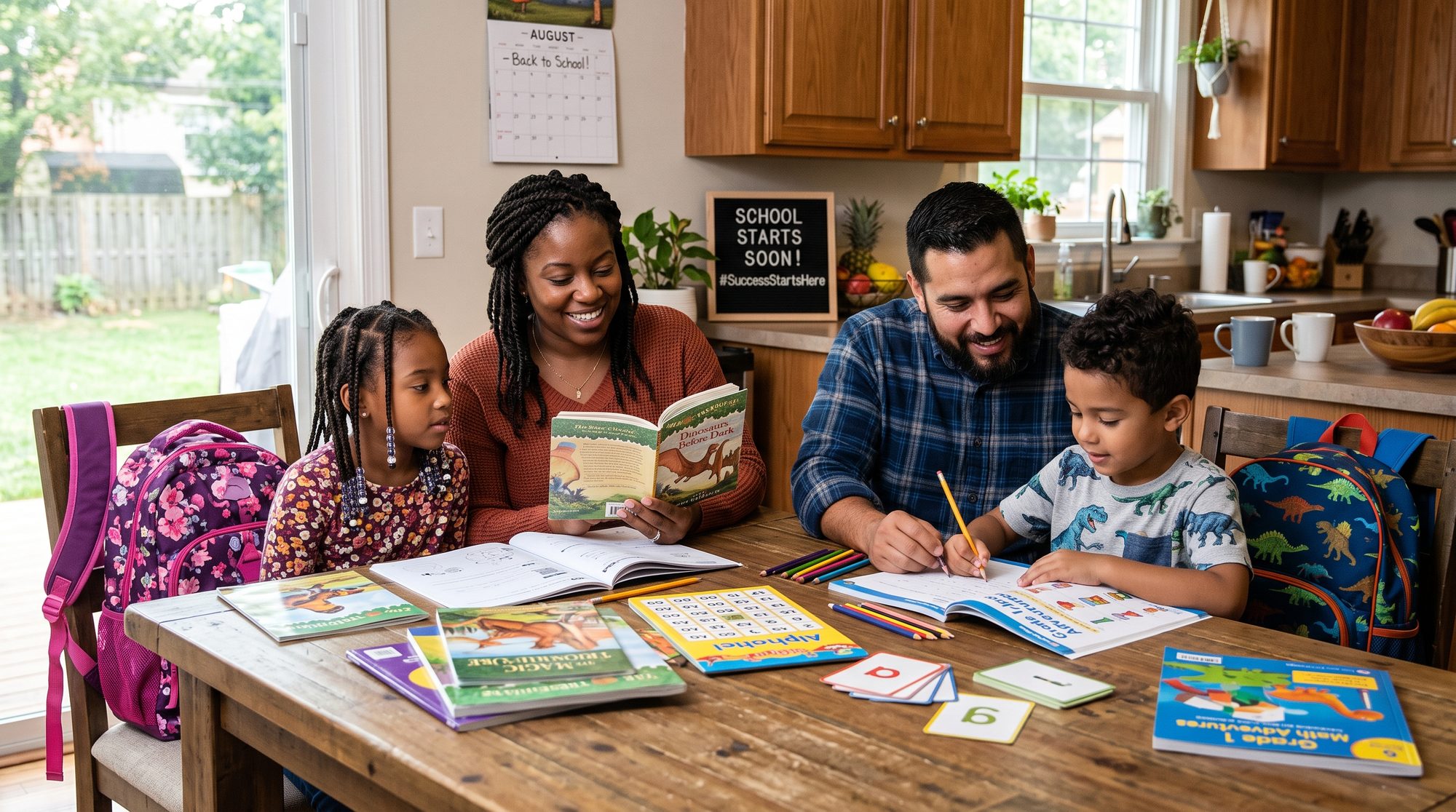
Every successful outcome has a period of preparation that often goes unnoticed. Businesses develop strategies before launching products. Athletes train long before competition. Great leaders invest time in planning before making critical decisions. Student achievement follows the same pattern. The first day of school is not the beginning of academic success. It is simply the first visible milestone in a process that has already been unfolding through experiences at home, interactions within the community, and the expectations established long before a student enters the classroom.
Educational success is frequently measured through grades, test scores, and graduation rates. While these outcomes are important, they are the result of deeper factors that shape how students approach learning. Confidence, emotional security, curiosity, discipline, and resilience often determine whether a student is prepared to maximize every educational opportunity. These qualities are cultivated well before the first assignment is submitted.
Research and experience consistently point to one conclusion. Learning is both an academic and social process. Families serve as a student's first learning environment, where communication patterns, routines, and expectations quietly establish habits that influence future performance. Conversations around the dinner table, shared reading experiences, encouragement during challenges, and consistent daily routines all contribute to the development of skills that support long term achievement.
Mindset is equally influential. Students who believe that intelligence can grow through effort are more likely to embrace challenges, recover from setbacks, and remain engaged when learning becomes difficult. When adults emphasize improvement instead of perfection, students begin viewing mistakes as valuable information rather than personal failure. This shift transforms obstacles into opportunities for growth and creates learners who are prepared to adapt throughout their educational journey.
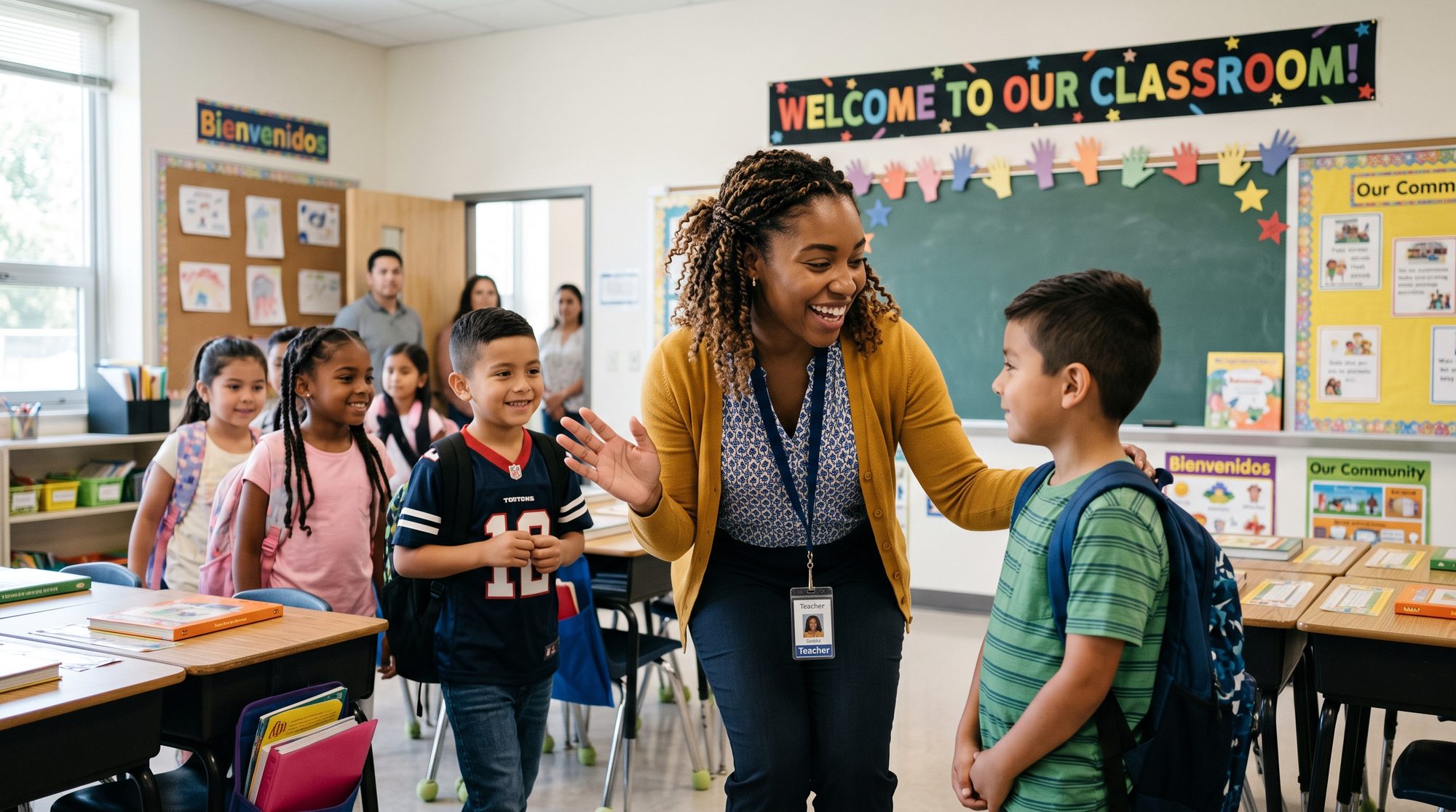
Schools also have an opportunity to shape success before formal instruction begins. Orientation programs, family engagement initiatives, welcoming school cultures, and proactive communication establish trust that strengthens the partnership between educators and families. When students feel connected before the first lesson, they are more likely to participate, ask questions, and develop a stronger sense of belonging. Academic achievement flourishes when relationships are intentionally developed alongside curriculum.
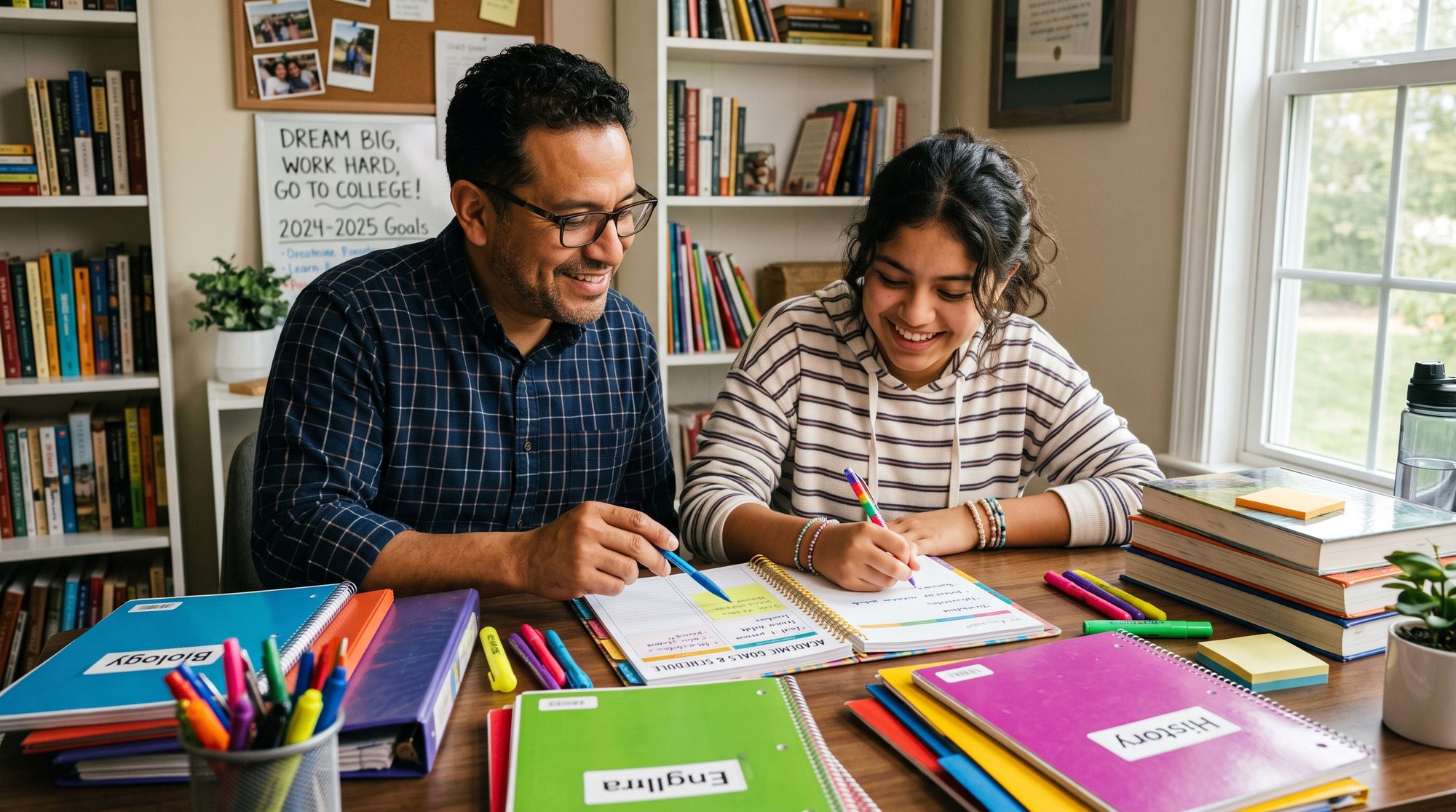
The transition into a new school year should also be viewed as an opportunity to develop executive functioning skills that extend beyond the classroom. Time management, organization, personal responsibility, and decision making are competencies that influence both educational outcomes and future career success. Allowing students to gradually assume ownership of these responsibilities builds confidence while preparing them for increasing independence as they mature.
Another overlooked factor is the language adults use when discussing education. Students absorb expectations long before they understand academic content. When school is presented as an exciting place to explore ideas, discover strengths, and solve meaningful problems, learning becomes connected to purpose instead of obligation. That perspective encourages intrinsic motivation, which often produces stronger and more sustainable performance than external rewards alone.
Communities also play a meaningful role in this preparation. Coaches, mentors, neighbors, faith leaders, and extended family members collectively reinforce the values of perseverance, respect, curiosity, and service. Every positive interaction contributes another layer to a student's belief that learning matters and that their potential deserves to be developed.
Student success rarely begins with a lesson plan. It begins with intentional preparation. When families establish supportive routines, schools build welcoming environments, communities reinforce positive values, and students develop a mindset centered on growth, the first day of school becomes more than a calendar event. It becomes the continuation of a carefully constructed foundation. The strongest educational outcomes are rarely created by a single classroom experience. They emerge from a collective investment in preparing students to learn before learning officially begins.
