



The final score captures the outcome of a game, but it rarely captures its greatest lesson. Championships generate headlines, trophies fill display cases, and records become part of history. Yet long after the celebrations fade, the habits, values, and character developed through sports continue shaping how athletes approach work, relationships, leadership, and life. Winning is memorable, but character is enduring.
Sports have always offered far more than physical competition. At their best, they serve as one of the most effective classrooms for developing discipline, accountability, resilience, and integrity. Every practice, every difficult workout, and every challenge presents opportunities to strengthen qualities that remain valuable long after an athlete leaves the field, court, or track.
Success in sports is often measured by victories, rankings, and championships. Those achievements deserve recognition because they reflect commitment and excellence. However, focusing exclusively on results can unintentionally overlook the deeper purpose of athletic participation. The most meaningful victories often occur long before the scoreboard is updated. They happen when athletes choose perseverance instead of quitting, teamwork instead of selfishness, and responsibility instead of excuses.

Character is built through repeated choices rather than extraordinary moments. Athletes demonstrate integrity when they compete honestly, even when no one is watching. They develop accountability when they accept responsibility for mistakes instead of assigning blame. They strengthen resilience when they respond to disappointment with determination rather than discouragement. These daily decisions become habits that influence every aspect of life beyond sports.
Coaches play an important role in shaping this development. The most influential coaches understand that their responsibility extends beyond improving athletic performance. They teach athletes how to communicate respectfully, support teammates, manage adversity, and lead with humility. Every practice becomes an opportunity to develop people as much as players. Championships may define a season, but character defines a lifetime.
Parents also contribute significantly to this process. Encouraging effort over perfection, growth over comparison, and learning over immediate results helps young athletes develop healthy perspectives about competition. When success is measured only by victories, disappointment becomes overwhelming. When success includes personal growth, resilience, teamwork, and continuous improvement, every experience provides value regardless of the outcome.
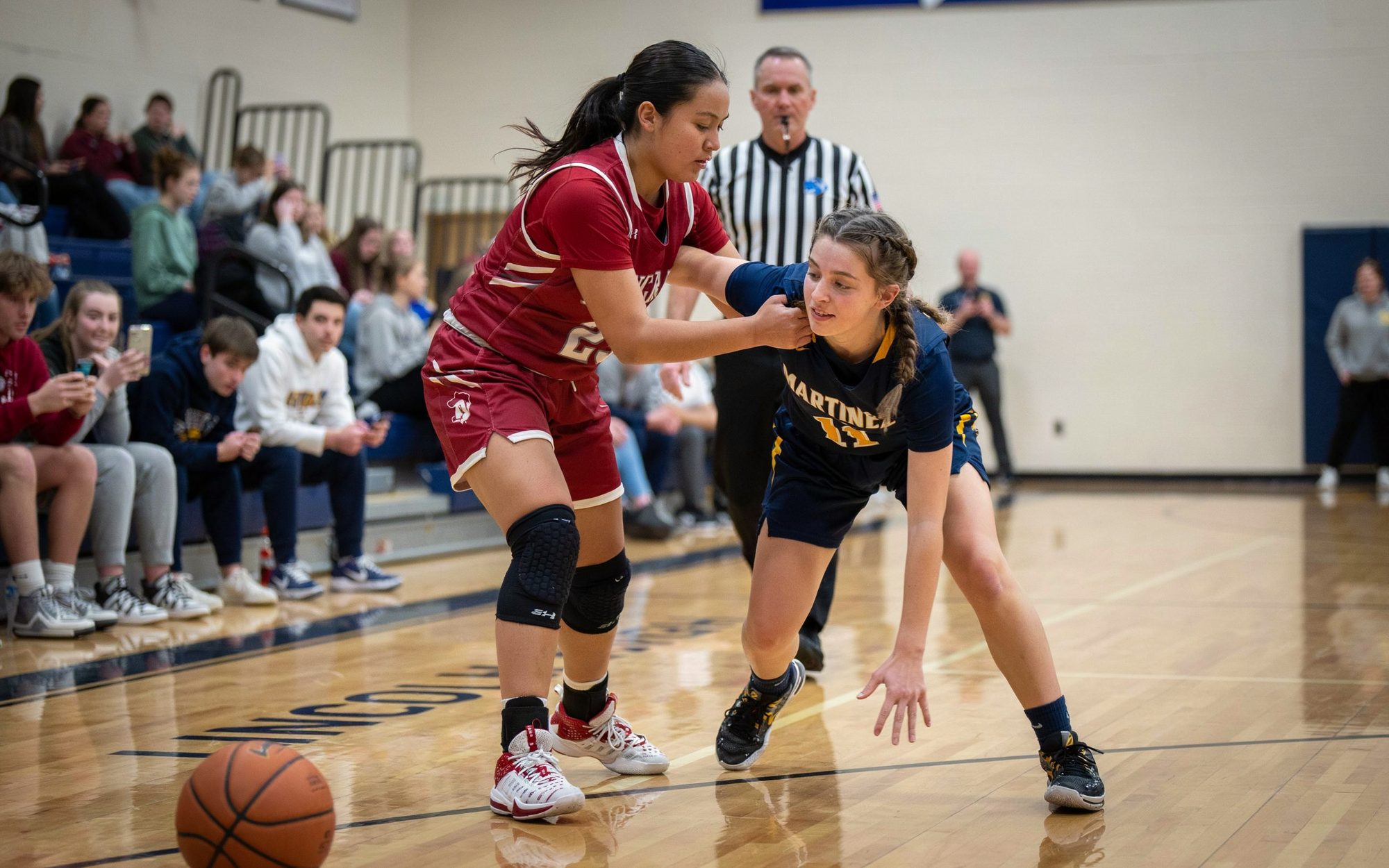
One of the greatest lessons sports teaches is how to respond when circumstances become difficult. Every athlete encounters setbacks through losses, injuries, reduced playing time, or unmet expectations. These moments reveal and refine character. Athletes who continue preparing, supporting teammates, and maintaining a positive attitude despite adversity develop emotional strength that extends into classrooms, careers, families, and communities.
Sports also reinforce the importance of serving something greater than individual recognition. Every successful team depends upon trust, sacrifice, communication, and shared responsibility. Athletes learn that meaningful achievement often requires placing collective success above personal statistics. This understanding prepares future leaders who recognize that lasting influence is created through contribution rather than recognition alone.
Perhaps the most valuable outcome of athletic participation is the realization that excellence is defined by consistency of character rather than occasional achievement. Trophies eventually collect dust, records are broken, and championships become memories. Integrity, perseverance, humility, and leadership continue creating opportunities throughout every stage of life.
The true legacy of sports is not measured by banners hanging in a gymnasium or medals displayed on a shelf. It is reflected in the kind of people athletes become after the final game has been played. Winning will always have its place, but character remains the greatest championship because it continues opening doors, strengthening relationships, and inspiring others long after the season has ended.
