



Every athlete remembers a coach who left a lasting impression. It is rarely because of a championship trophy, a winning season, or an unforgettable game plan. The coaches who remain influential are the ones who challenged expectations, believed in potential before it was fully visible, and helped develop confidence that extended far beyond competition. Their greatest contribution was not building better athletes. It was helping shape better people.
Coaching has always been about more than teaching skills. Every practice, every conversation, and every decision creates opportunities to influence character, leadership, and personal growth. Whether coaching youth sports or elite competition, the responsibility reaches beyond improving performance. Coaches help shape how athletes respond to adversity, interact with others, pursue excellence, and define success throughout their lives.
Athletic development and personal development are deeply connected. Learning how to execute a play, improve technique, or strengthen physical conditioning certainly matters. Equally important is learning how to remain disciplined when progress feels slow, how to remain accountable after mistakes, and how to persevere when success requires more time than expected. These lessons become valuable long after athletic careers have ended.
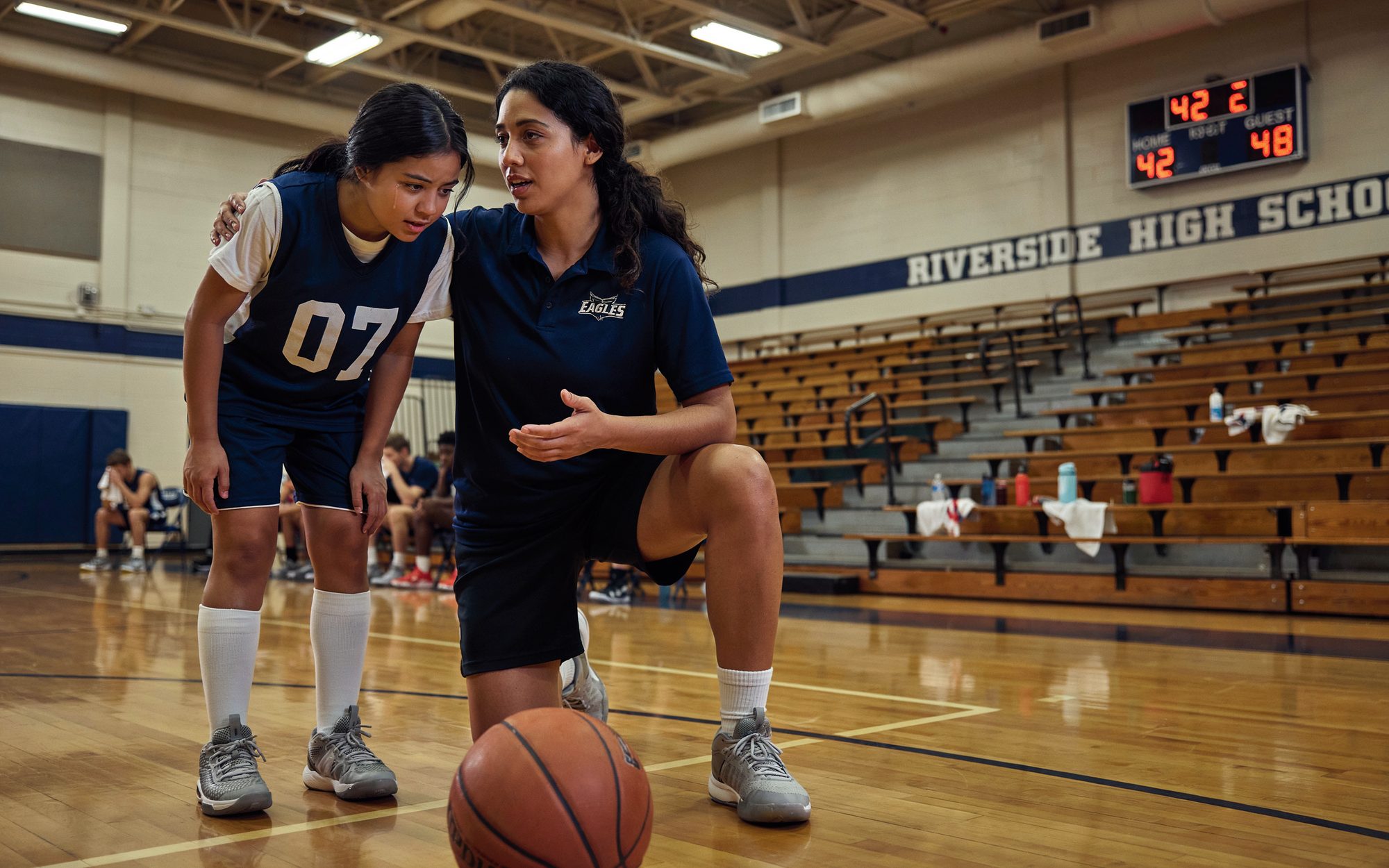
Leadership often begins with observation. Athletes pay close attention to how coaches communicate, respond to pressure, treat officials, encourage teammates, and handle disappointment. Every interaction demonstrates what effective leadership looks like in practice. Coaches who consistently model integrity, respect, and emotional composure teach lessons that cannot be replicated through speeches alone. Actions establish culture more effectively than words.
Discipline represents another area where coaching creates lasting influence. True discipline is not based on fear of punishment. It develops through consistency, personal responsibility, and commitment to shared standards. Coaches who establish clear expectations while maintaining fairness help athletes understand that excellence is built through daily habits rather than occasional effort. This perspective prepares young people to succeed in classrooms, careers, and leadership roles where self management becomes increasingly important.
Perhaps one of the most meaningful contributions a coach can make is cultivating resilience. Every athlete experiences setbacks through losses, injuries, difficult performances, or unmet expectations. These moments often become defining opportunities. Coaches who encourage reflection instead of blame and growth instead of discouragement help athletes develop confidence that is grounded in perseverance rather than temporary success. Resilience formed through sports often becomes resilience applied throughout life.
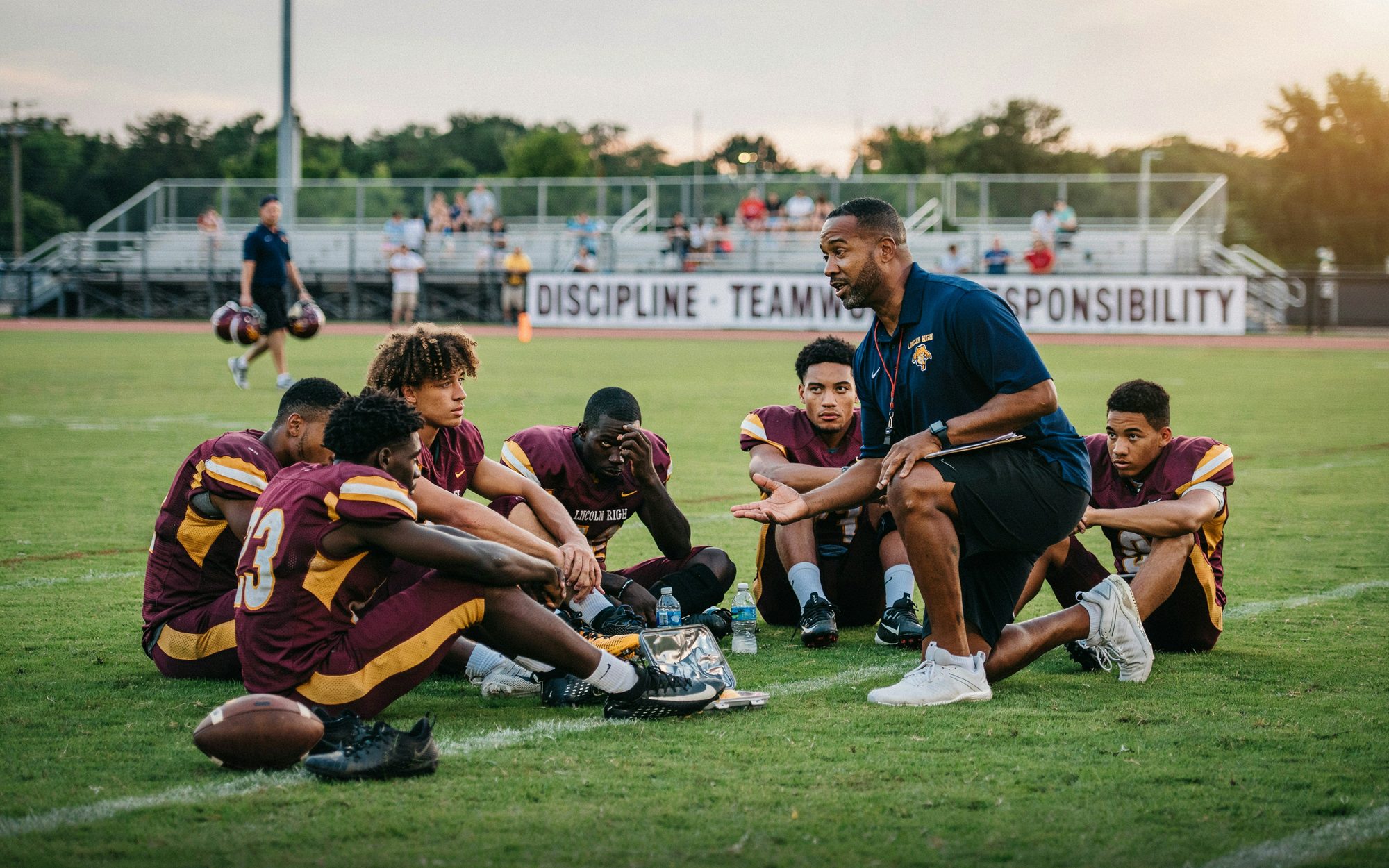
Communication also shapes the coaching experience. Constructive feedback delivered with clarity and respect strengthens both performance and trust. Athletes perform best when they understand expectations while feeling valued as individuals. Coaches who listen carefully, encourage thoughtful dialogue, and create environments where questions are welcomed foster stronger relationships that support both athletic and personal growth.
Another defining characteristic of exceptional coaching is the ability to recognize potential before athletes recognize it themselves. Many young people underestimate their capabilities until someone challenges them to think differently. A coach who communicates belief, provides opportunity, and encourages continuous improvement can transform uncertainty into confidence. That belief often becomes a turning point that influences decisions far beyond sports.
The strongest coaching environments also emphasize service and teamwork. Athletes learn that collective achievement requires sacrifice, communication, humility, and trust. They discover that leadership is measured not only by personal performance but also by the ability to elevate those around them. These lessons prepare future professionals, parents, mentors, and community leaders who understand that meaningful success is created together.
The scoreboard always records the outcome of a game, but it never measures the full impact of a coach. Long after seasons conclude and uniforms are put away, the lessons of discipline, integrity, resilience, leadership, and service continue guiding the decisions athletes make throughout their lives. Coaches may begin by teaching sports, but their greatest legacy is helping develop individuals who are prepared to lead with purpose wherever life takes them.
