


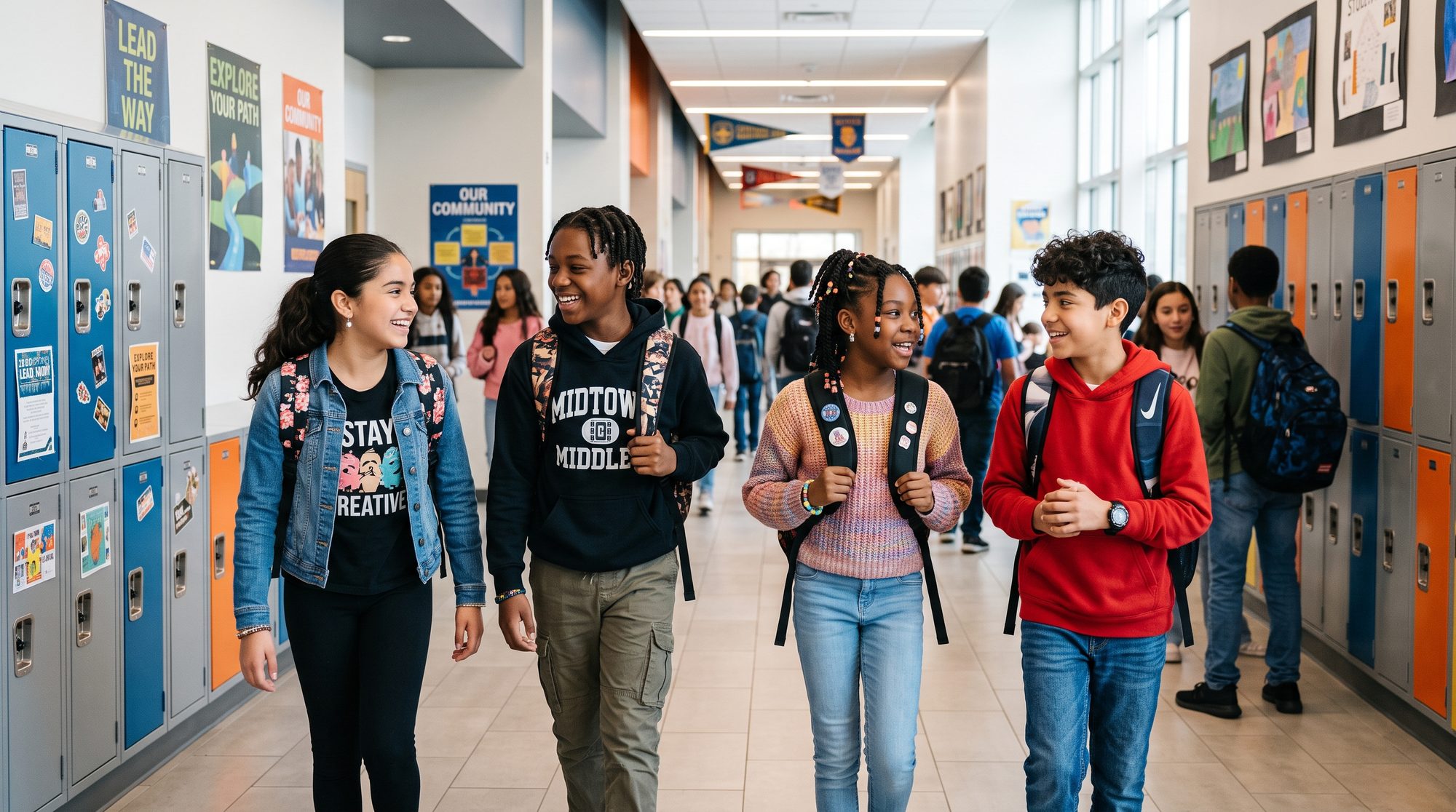
Few stages of education carry as much quiet significance as the middle school years. While elementary school introduces the fundamentals of learning and high school often receives attention for preparing students for college and careers, middle school serves as the bridge where young people begin discovering who they are, how they think, and how they respond to an increasingly complex world. The choices, habits, and perspectives developed during this period often shape success long after students leave the classroom.
Middle school represents more than an academic transition. It is a developmental crossroads where intellectual growth, emotional maturity, and personal identity begin advancing at the same time. Students are expected to manage greater responsibility while navigating changing friendships, expanding expectations, and a growing desire for independence. These experiences can feel overwhelming, but they also create remarkable opportunities for growth.
One of the most important shifts during these years is the movement from dependence to ownership. Students are no longer simply following instructions. They are learning how to organize assignments, manage their time, prioritize responsibilities, and solve problems with increasing confidence. These executive functioning skills become just as valuable as academic knowledge because they establish habits that influence performance throughout high school, higher education, and professional life.
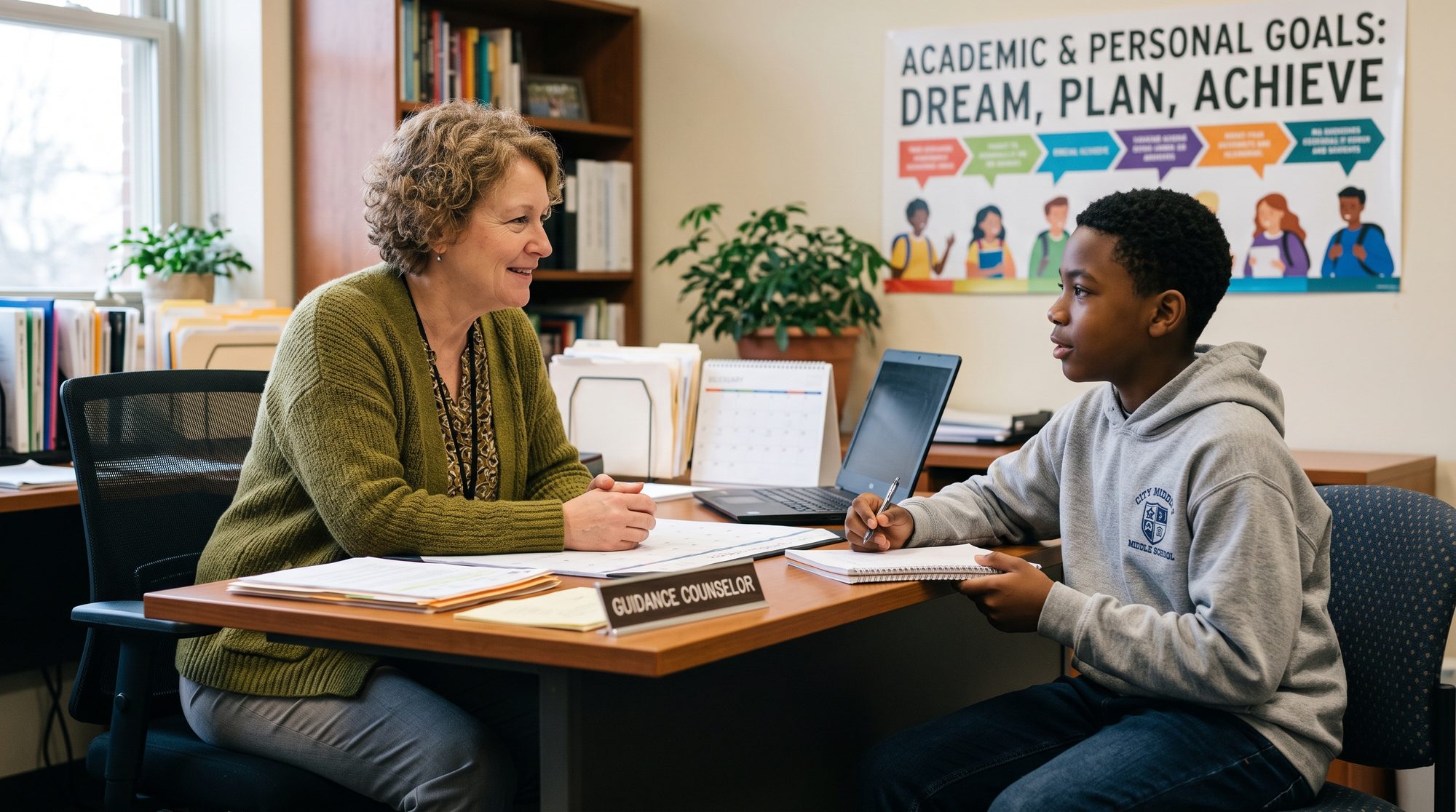
Equally important is the development of personal identity. Middle school is often the first time students begin asking meaningful questions about their interests, values, talents, and future aspirations. They explore new activities, develop stronger opinions, and become more aware of how they relate to the people around them. While this process naturally includes moments of uncertainty, it also provides an opportunity for students to build confidence through exploration rather than comparison.
Families and educators have an important responsibility during this stage. Rather than attempting to provide every answer, they can create environments where students learn to think critically, ask thoughtful questions, and make informed decisions. Growth occurs when young people are trusted with responsibility while knowing they have guidance available when needed. This balance strengthens both confidence and resilience.
Relationships also take on greater importance during the middle school years. Friendships become more influential, peer dynamics become more complex, and students begin developing communication skills that will shape future personal and professional relationships. Teaching empathy, active listening, respect, and healthy conflict resolution during this stage prepares students to navigate diverse environments throughout life.
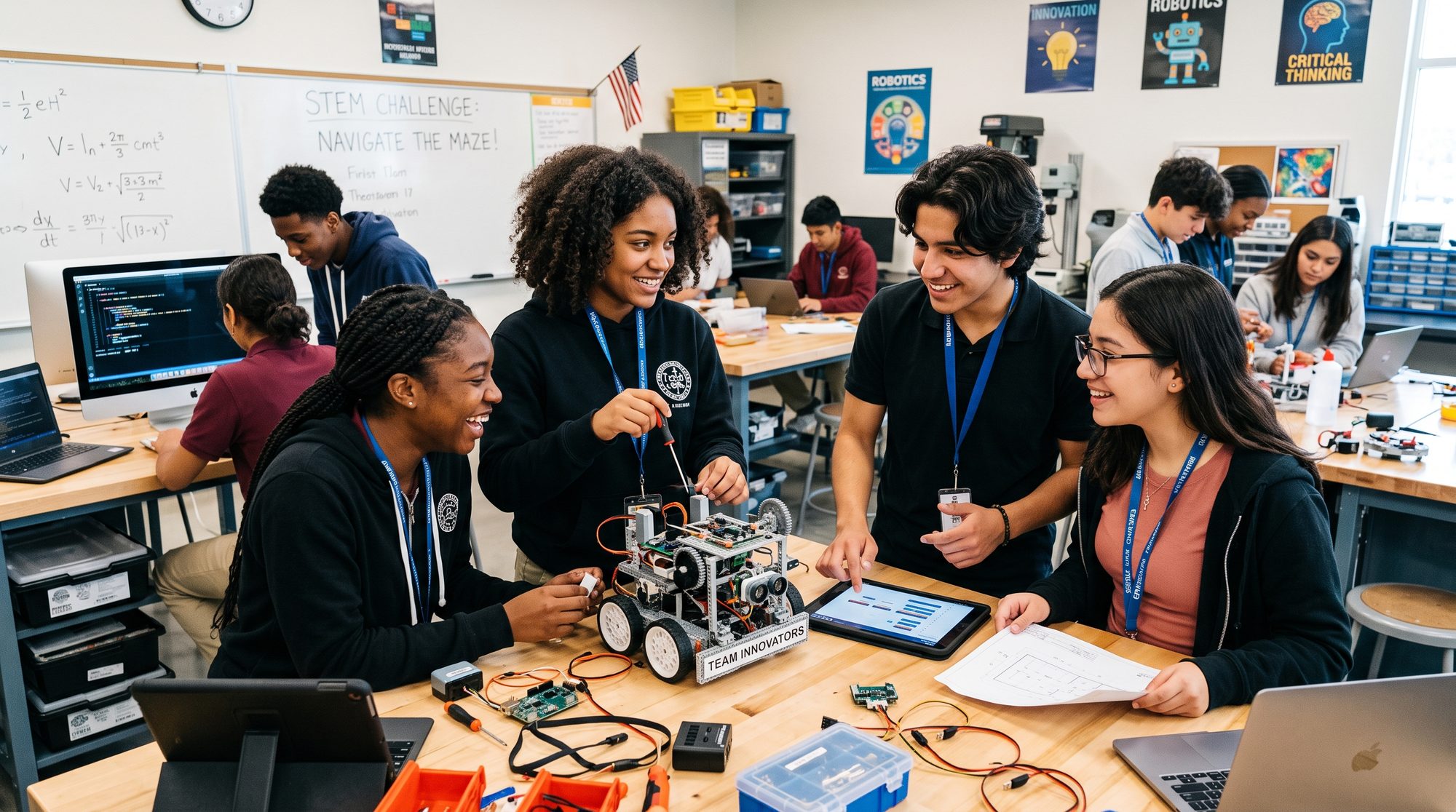
Academic expectations naturally increase as well. Students encounter more challenging coursework, multiple teachers, and greater accountability for their performance. Success during this period is often less about raw ability and more about adaptability. Students who develop effective study habits, persistence, and a willingness to seek help when necessary are better equipped to overcome obstacles and continue growing academically.
Middle school also provides an ideal opportunity to introduce leadership, service, and purposeful involvement. Participation in student organizations, athletics, music, academic competitions, and community service allows students to discover strengths that may never emerge through classroom instruction alone. These experiences develop communication, collaboration, and problem solving while helping students understand that their contributions have meaningful impact.
Perhaps the greatest lesson of middle school is that growth is rarely comfortable. Confidence is built by attempting unfamiliar tasks. Character is strengthened through challenges. Independence develops through responsibility. Every new experience becomes another opportunity to discover abilities that were previously unknown.
The middle school years should never be viewed simply as the period between childhood and high school. They represent one of the most influential stages of personal development. When families, educators, and communities intentionally support students during this transition, they help create young people who are not only academically prepared, but also equipped with the confidence, resilience, and self awareness needed to thrive in every chapter that follows.
