


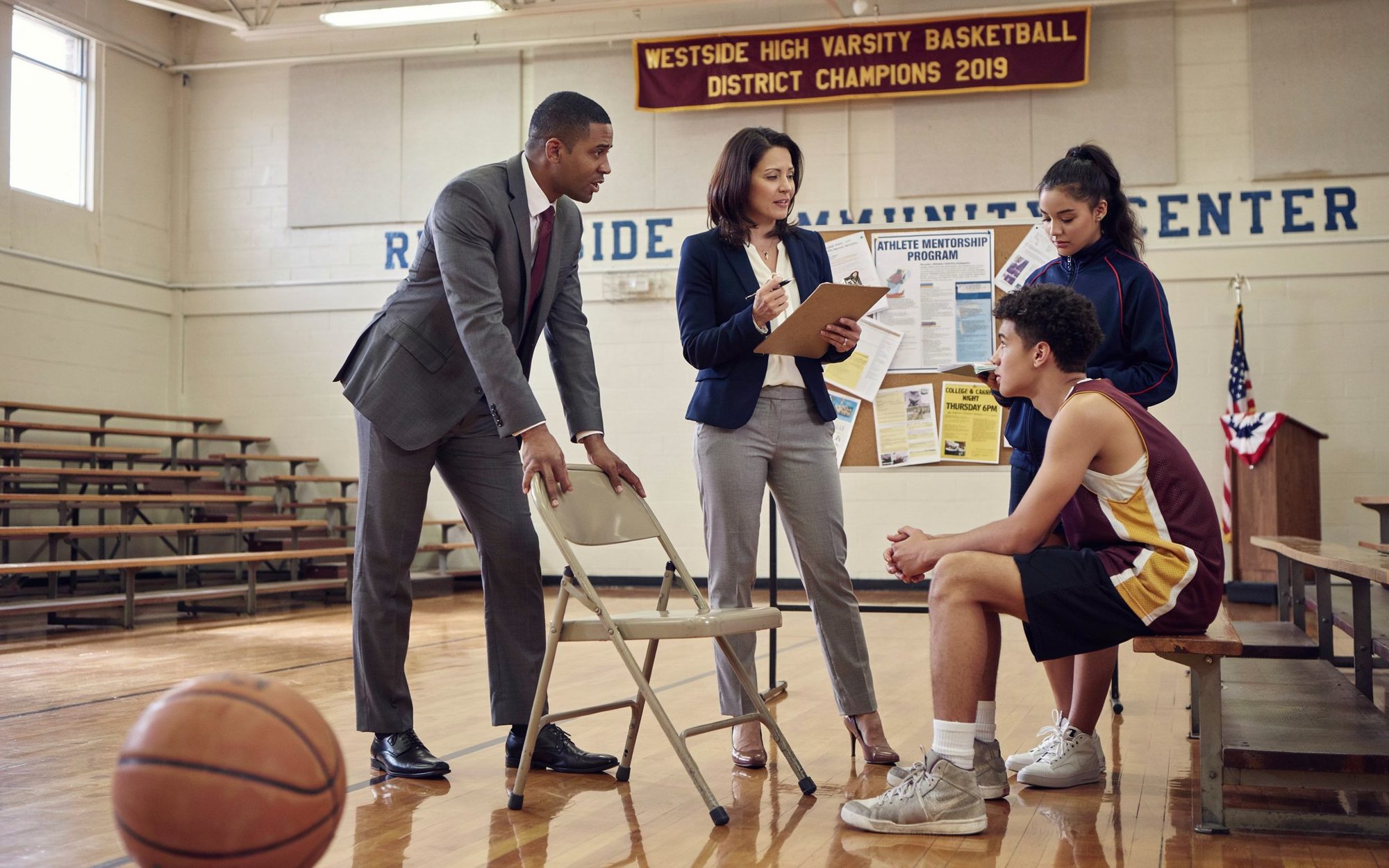
The final whistle signals the end of a game, but it rarely marks the end of an athlete's greatest journey. Long after uniforms are folded away and competitive seasons come to a close, the lessons learned through sports continue influencing decisions, relationships, and leadership in every area of life. Athletic competition may begin as a pursuit of performance, but its lasting value lies in preparing individuals to succeed far beyond the field, court, or track.
Sports create an environment where personal growth and performance develop together. Every practice requires discipline. Every competition demands preparation. Every setback presents an opportunity to adapt. These experiences cultivate habits that become increasingly valuable in workplaces, communities, and leadership roles where consistency, resilience, and accountability often determine long term success.
Discipline is one of the first qualities athletes carry into their professional lives. Success in sports depends on showing up prepared, maintaining focus, and committing to continuous improvement even when progress is not immediately visible. These same behaviors define effective professionals who consistently deliver results, manage responsibilities, and remain committed to excellence regardless of changing circumstances. The ability to remain disciplined without constant supervision becomes a significant advantage in every career.

Resilience also becomes a lifelong asset. Every athlete experiences losses, injuries, disappointing performances, and moments of uncertainty. These challenges teach an important lesson. Temporary setbacks do not determine permanent outcomes. Individuals who learn to recover, reflect, and improve develop confidence that extends into every future challenge. Careers include disappointments, businesses encounter obstacles, and personal goals often require multiple attempts. Athletes understand that perseverance frequently creates opportunities that talent alone cannot sustain.
Leadership naturally evolves through athletic participation as well. Teams depend on communication, trust, accountability, and shared responsibility. Athletes discover that leadership is not reserved for captains or the most experienced players. It belongs to anyone willing to encourage teammates, model consistent effort, and contribute to collective success. This understanding prepares future managers, entrepreneurs, educators, and community leaders who recognize that influence is earned through service rather than authority.
Sports also strengthen the ability to collaborate with people from different backgrounds, personalities, and perspectives. Every successful team requires individuals to balance personal ambition with collective objectives. Learning how to resolve disagreements, communicate respectfully, and contribute toward shared goals develops interpersonal skills that remain essential in modern organizations where collaboration drives innovation and performance.
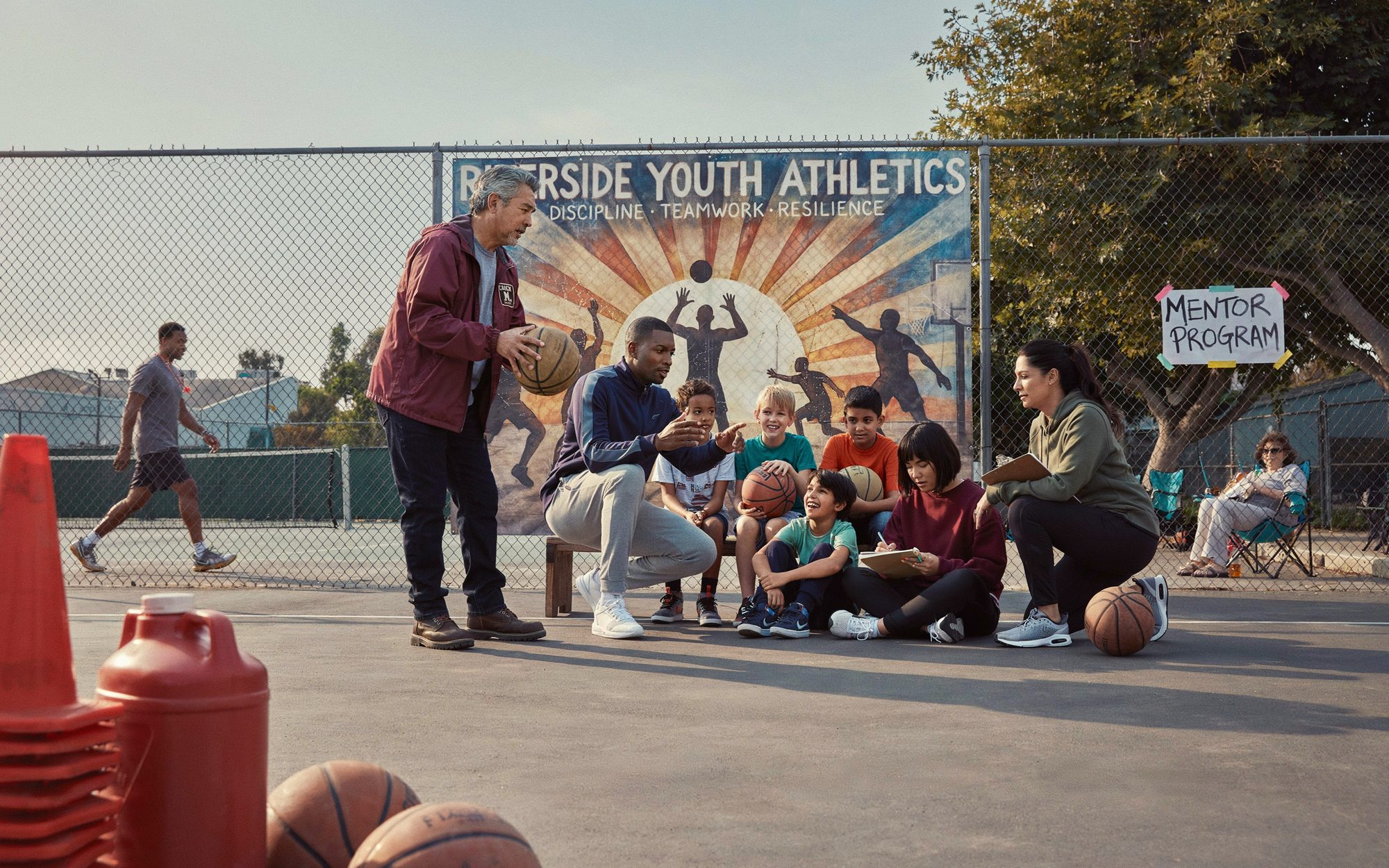
Perhaps one of the most valuable lessons involves managing pressure. Athletes regularly perform under expectations, time constraints, and public evaluation. Over time, they learn to remain focused on preparation, execution, and continuous improvement instead of becoming distracted by external noise. This ability to perform with composure translates directly into leadership situations where thoughtful decision making is required during periods of uncertainty and change.
Character serves as the foundation connecting every lesson learned through sports. Integrity, humility, respect, accountability, and perseverance are reinforced through daily actions rather than occasional achievements. These qualities shape reputations, strengthen relationships, and establish credibility in every environment. While technical skills may create opportunities, character determines how those opportunities are sustained.
Communities also benefit when former athletes continue applying these lessons beyond competition. Many become coaches, mentors, volunteers, business leaders, educators, and public servants who invest in the success of others. They understand that the greatest victories are often measured by the positive influence they create rather than personal recognition alone.
Athletic careers eventually come to an end, but the leadership journey continues. Every practice, every challenge, every victory, and every setback contributes to a broader education that prepares individuals for meaningful success throughout life. The scoreboard eventually stops keeping count, but the habits developed through sports continue creating value for years to come. In that sense, the greatest achievement is never simply becoming a successful athlete. It is becoming a capable leader whose influence extends far beyond the game.
