


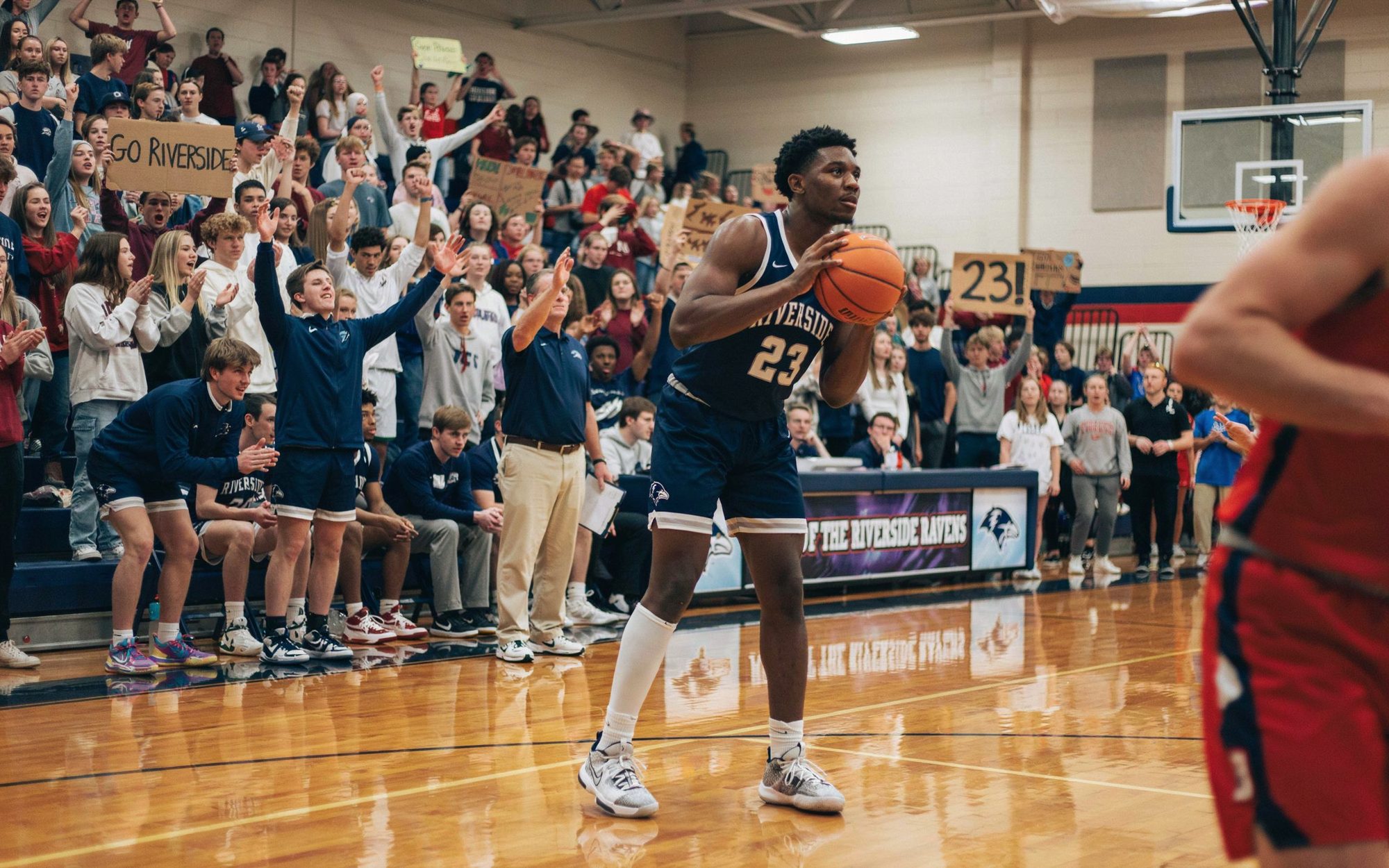
Pressure has become an expected part of modern athletics. Young athletes often balance demanding practice schedules, academic responsibilities, competitive expectations, social influences, and personal goals, all while trying to perform at their highest level. While pressure is unavoidable, it does not have to become destructive. When managed effectively, it can strengthen confidence, sharpen focus, and accelerate growth. The key is developing the perspective to view pressure as preparation rather than punishment.
High performance has never been built on talent alone. The athletes who consistently perform well under demanding circumstances often possess something less visible but equally important. They have developed the mental habits that allow them to remain composed, adaptable, and confident when expectations increase. Their advantage is not the absence of pressure. It is their ability to respond to it with intention instead of emotion.
Perspective changes everything. Many athletes begin viewing competition as a test of personal worth rather than an opportunity to demonstrate growth. This mindset creates unnecessary anxiety because every mistake feels permanent and every setback feels personal. A healthier perspective recognizes that competition provides feedback, not judgment. Every performance offers valuable information that can be used to improve future preparation and execution.

Preparation remains one of the strongest antidotes to performance anxiety. Confidence grows when athletes know they have invested the necessary time, effort, and discipline before competition begins. Consistent practice creates familiarity, and familiarity reduces uncertainty. While preparation cannot eliminate every challenge, it provides athletes with a reliable foundation when circumstances become unpredictable.
Coaches play a critical role in shaping how athletes interpret pressure. Environments that emphasize continuous improvement, learning, and resilience often produce stronger long term performance than those focused exclusively on outcomes. Athletes benefit when coaches celebrate disciplined effort, thoughtful decision making, and personal growth alongside competitive success. This balanced approach encourages confidence while reducing fear of failure.
Families influence this perspective as well. Conversations before and after competition often shape how athletes process their experiences. Encouragement that emphasizes character, effort, and learning reinforces the understanding that personal value extends far beyond the scoreboard. Athletes who know they are supported regardless of the outcome are more willing to compete freely, recover from setbacks, and continue pursuing excellence.

Mental recovery deserves as much attention as physical recovery. Continuous competition without opportunities to rest, reflect, and recharge can gradually diminish both performance and enjoyment. Athletes perform at their best when they recognize that recovery is an essential component of development rather than a sign of weakness. Maintaining physical health, emotional balance, and meaningful relationships contributes directly to sustained performance over time.
Another important consideration is defining success more broadly. Winning remains an important goal because competition naturally rewards excellence. However, meaningful success also includes becoming more disciplined, developing stronger leadership skills, supporting teammates, and demonstrating integrity under pressure. These outcomes create lasting value regardless of the final score.
Resilience emerges when athletes understand that setbacks are temporary chapters rather than permanent conclusions. Every missed opportunity, difficult season, or disappointing result contains lessons that strengthen future performance. Those who remain committed to learning often discover that their greatest growth occurs during the moments that initially felt most challenging.
Pressure will always accompany meaningful opportunity. The question is not whether athletes will experience expectations, but how they will respond when those expectations arrive. With thoughtful preparation, supportive relationships, healthy perspective, and a commitment to continuous growth, pressure becomes less of an obstacle and more of a catalyst. The athletes who thrive are not those who avoid demanding moments. They are the ones who learn to transform pressure into purpose while protecting the well being that allows sustained excellence to flourish.
