


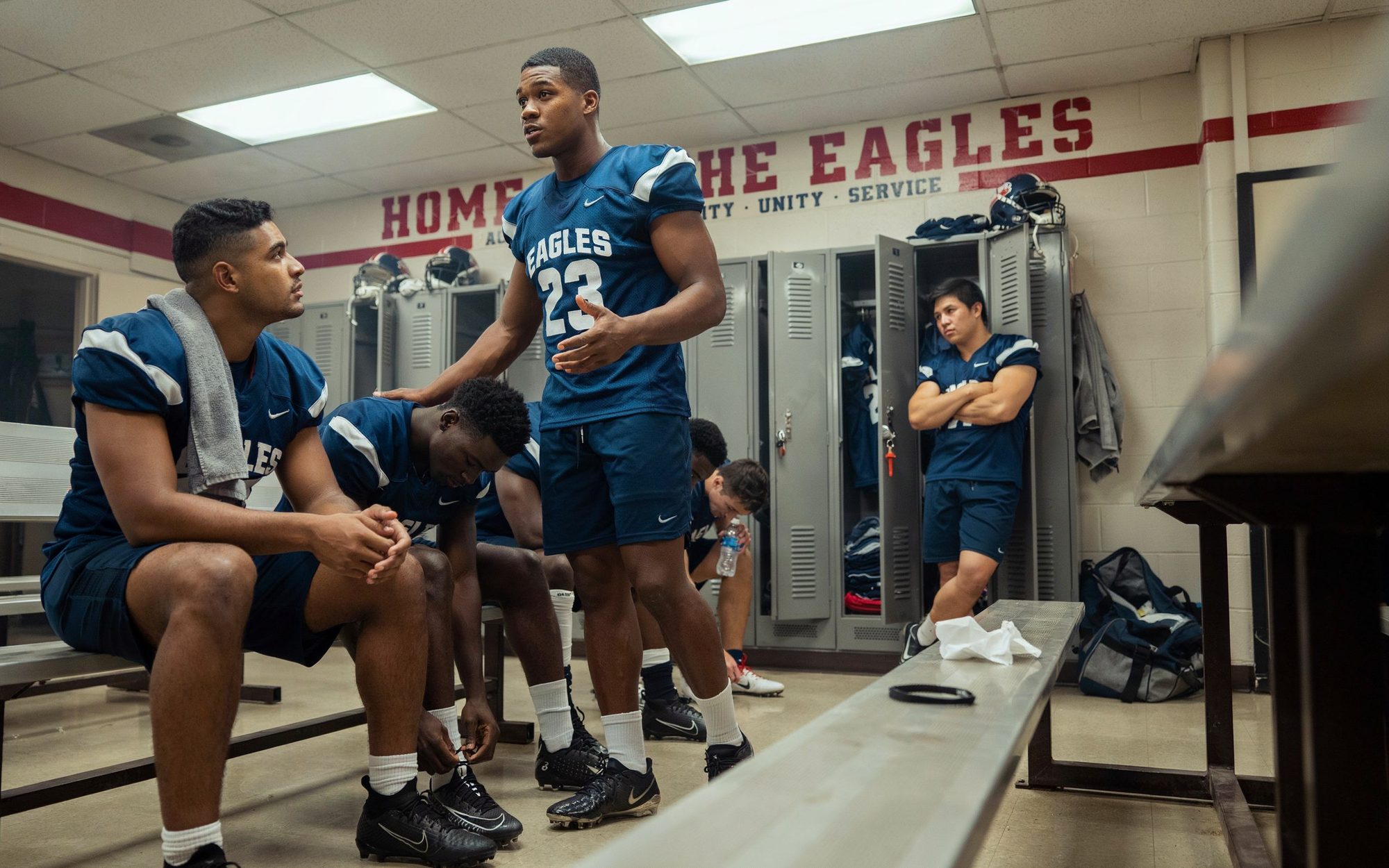
Some of the most important leadership lessons are never taught in a classroom. They emerge during early morning practices, difficult conversations after a tough loss, and quiet moments inside a locker room where individuals gradually learn what it means to become part of something greater than themselves. While sports are often celebrated for competition, their greatest contribution may be the way they prepare people to lead through collaboration, accountability, and service.
Every successful team begins with a simple understanding. Individual talent can influence a game, but collective commitment determines sustained success. Teams thrive when every member recognizes that personal achievement becomes more meaningful when it contributes to a shared purpose. This mindset transforms participation from individual performance into collective responsibility.
Communication is one of the first leadership skills strengthened in team environments. Athletes quickly discover that success depends on more than executing their own responsibilities. They must exchange information clearly, encourage teammates during adversity, provide constructive feedback, and remain attentive to changing circumstances. Effective communication builds trust because every player understands that reliable information supports better decisions under pressure.
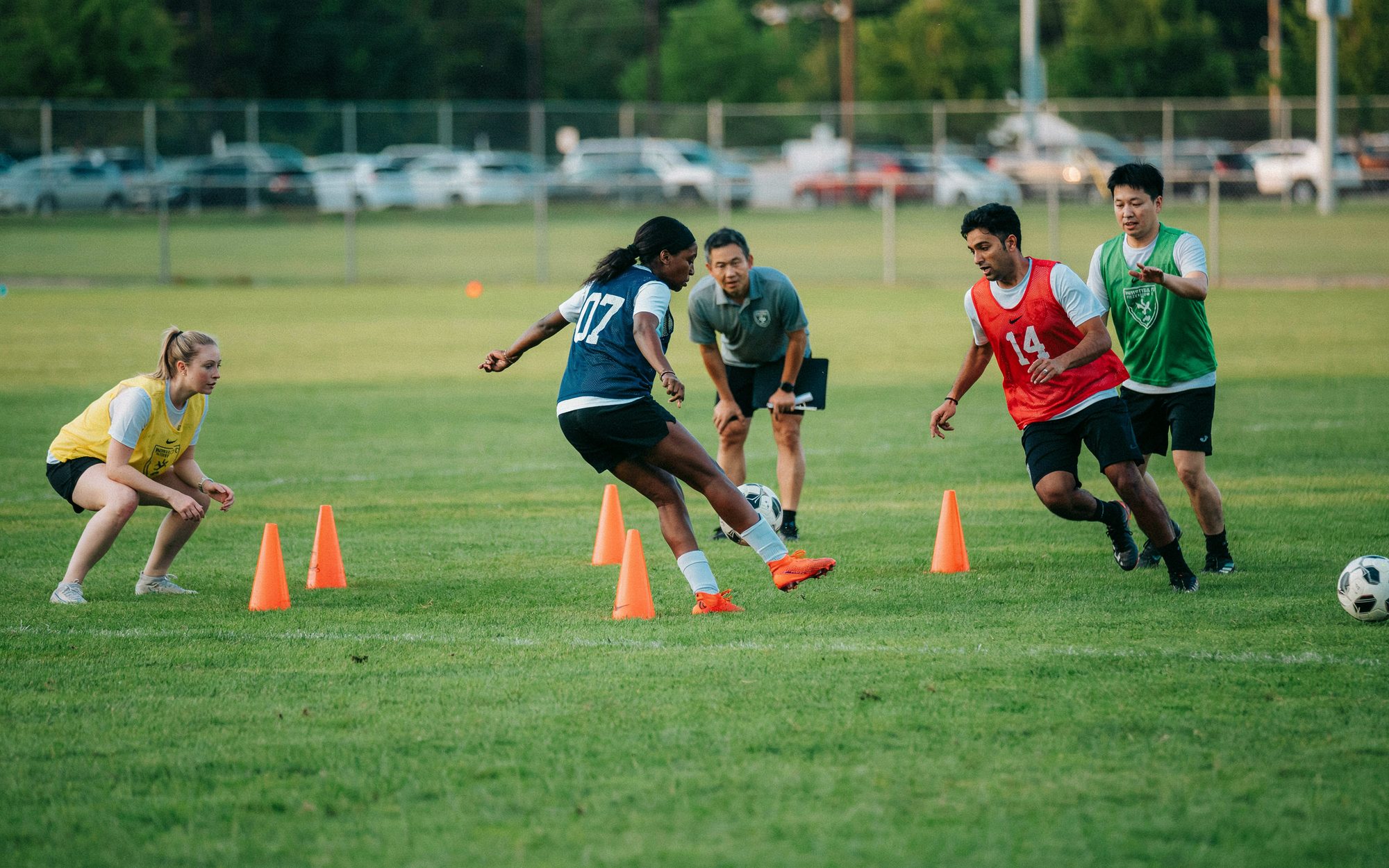
Trust cannot be demanded. It must be earned through consistency. Teammates learn to rely on one another because they repeatedly observe preparation, discipline, and dependability. Showing up on time, honoring commitments, maintaining a strong work ethic, and supporting others during difficult moments creates confidence that extends beyond athletic competition. Trust developed through sports becomes an invaluable asset in professional environments where collaboration often determines organizational success.
Accountability also becomes deeply embedded within successful teams. Every athlete has responsibilities that influence the performance of everyone else. Missed assignments, poor preparation, or lack of effort rarely affect only one individual. Teams quickly recognize that personal choices create collective consequences. This understanding encourages ownership rather than excuses and reinforces the importance of fulfilling commitments regardless of external circumstances.
Perhaps the most valuable lesson found inside every locker room is servant leadership. Many people associate leadership with directing others, but exceptional teams demonstrate a different model. Their strongest leaders ask how they can support teammates, strengthen morale, and create opportunities for collective success. Leadership becomes an act of contribution rather than control. Athletes who embrace this philosophy inspire others through actions that consistently place the needs of the team alongside personal ambition.
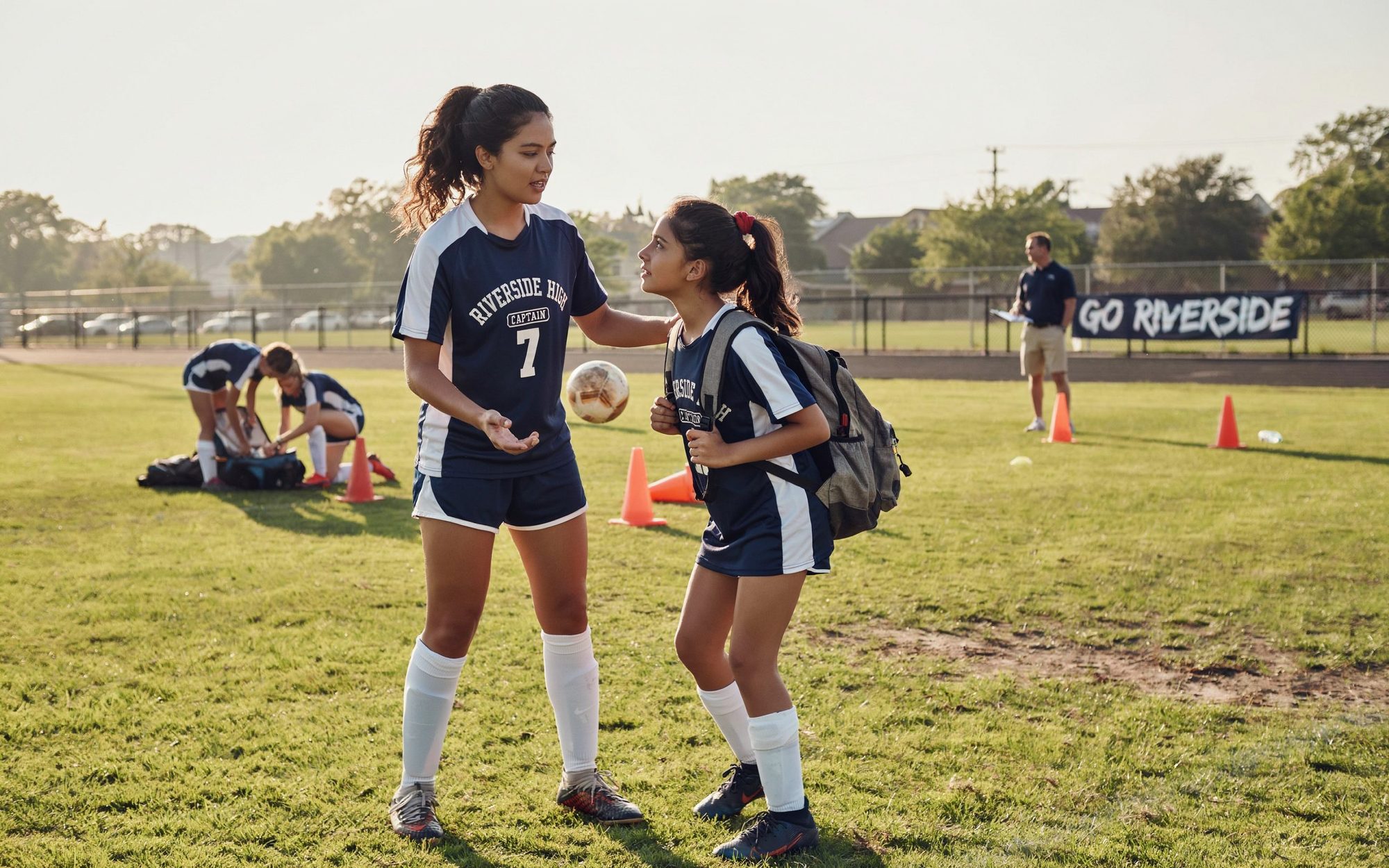
Adversity often reveals the true strength of a team. Every season includes setbacks through injuries, disappointing performances, unexpected losses, or moments of uncertainty. These experiences test more than athletic ability. They reveal communication, resilience, emotional maturity, and shared commitment. Teams that remain united during difficult moments frequently emerge stronger because challenges reinforce relationships built on trust and mutual respect.
Coaches play an essential role in cultivating this environment. Beyond developing technical skills, they establish cultures where accountability, humility, and collaboration become daily expectations. Athletes learn that leadership is demonstrated through preparation, consistency, and the willingness to elevate others. These lessons become part of a mindset that extends far beyond sports.
The influence of teamwork reaches well beyond the final season. Every workplace depends on collaboration. Every community benefits from individuals who communicate effectively and serve others with integrity. Every family flourishes when members understand shared responsibility and mutual support. The principles developed within athletic teams become transferable skills that strengthen every future relationship and leadership opportunity.
A locker room may appear to be a place where athletes prepare for competition, but it is also where future leaders are quietly being developed. Every practice, every conversation, and every shared challenge reinforces the understanding that meaningful success is rarely achieved alone. When individuals commit to serving the team before themselves, they discover a leadership philosophy that creates stronger organizations, healthier communities, and lasting influence throughout every stage of life.
