


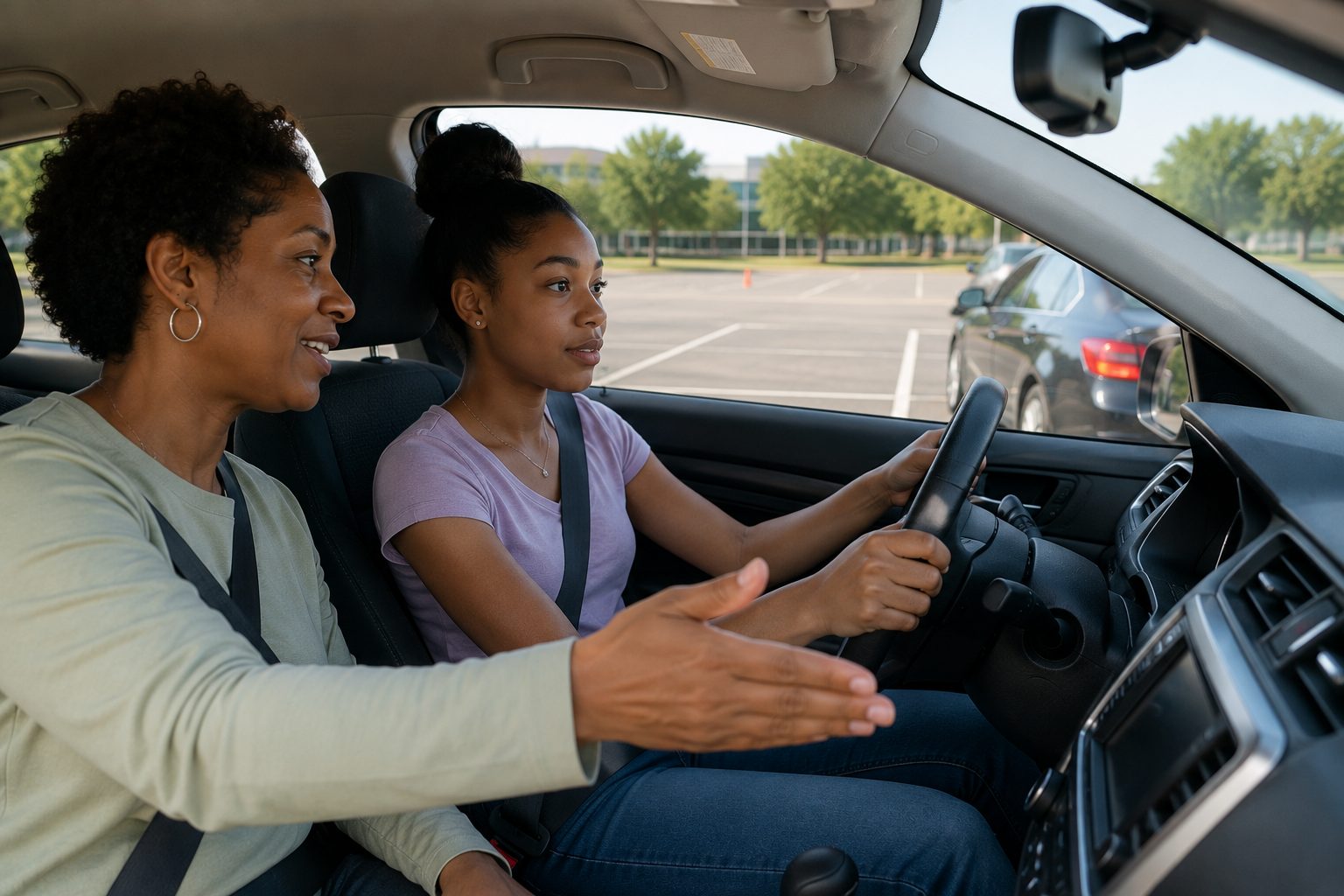
One of the most meaningful classrooms a teenager will ever enter has four wheels, a steering wheel, and a passenger seat occupied by someone they trust. Long before a young driver gains confidence behind the wheel, they develop beliefs about driving by watching the adults in their lives. Every trip to school, every family vacation, and every quick drive to the grocery store becomes a lesson in responsibility, patience, and decision making.
Parents often focus on helping teenagers pass the driver's test, but the greater objective is preparing them for a lifetime of safe driving. A license is a milestone. Safe driving is a habit. The difference between the two is built through consistent coaching, thoughtful conversations, and repeated real world experience that extends well beyond the day a license is issued.
Confidence develops through practice, not pressure. New drivers need opportunities to experience different driving environments while knowing they have guidance nearby. Quiet neighborhood streets eventually lead to busy intersections. Daytime driving expands into nighttime conditions. Clear weather gives way to rain and changing road surfaces. Each new experience adds another layer of judgment, helping teenagers become adaptable rather than simply comfortable.
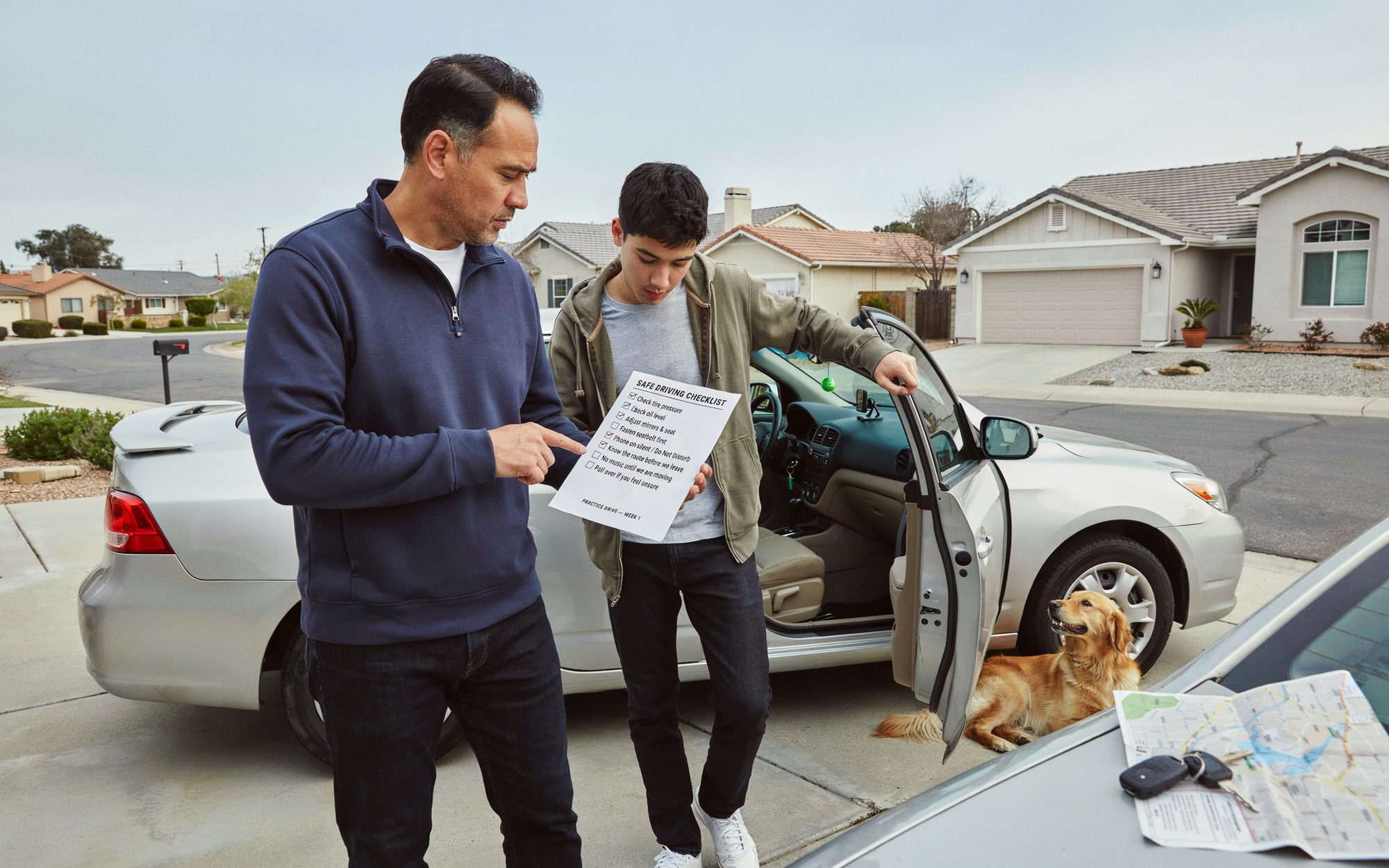
The most effective parents serve as coaches instead of critics. Correcting mistakes is necessary, but how those corrections are delivered matters just as much. Calm instruction encourages learning. Constant criticism often creates anxiety that makes decision making more difficult. Young drivers are more likely to improve when they understand not only what to do differently, but why those changes make them safer.
Leading by example remains one of the most powerful teaching tools available. Teenagers notice far more than adults often realize. They observe whether seat belts are used every time, whether phones remain out of reach, whether speed limits are respected, and whether frustration is managed calmly during traffic. These everyday choices communicate expectations more clearly than words alone.
Open communication also strengthens safe driving habits. Parents should encourage teenagers to speak honestly about situations that make them uncomfortable, whether it involves driving in poor weather, transporting friends, navigating unfamiliar roads, or feeling pressured by passengers. Creating an environment where questions are welcomed helps young drivers seek guidance before small concerns become larger problems.
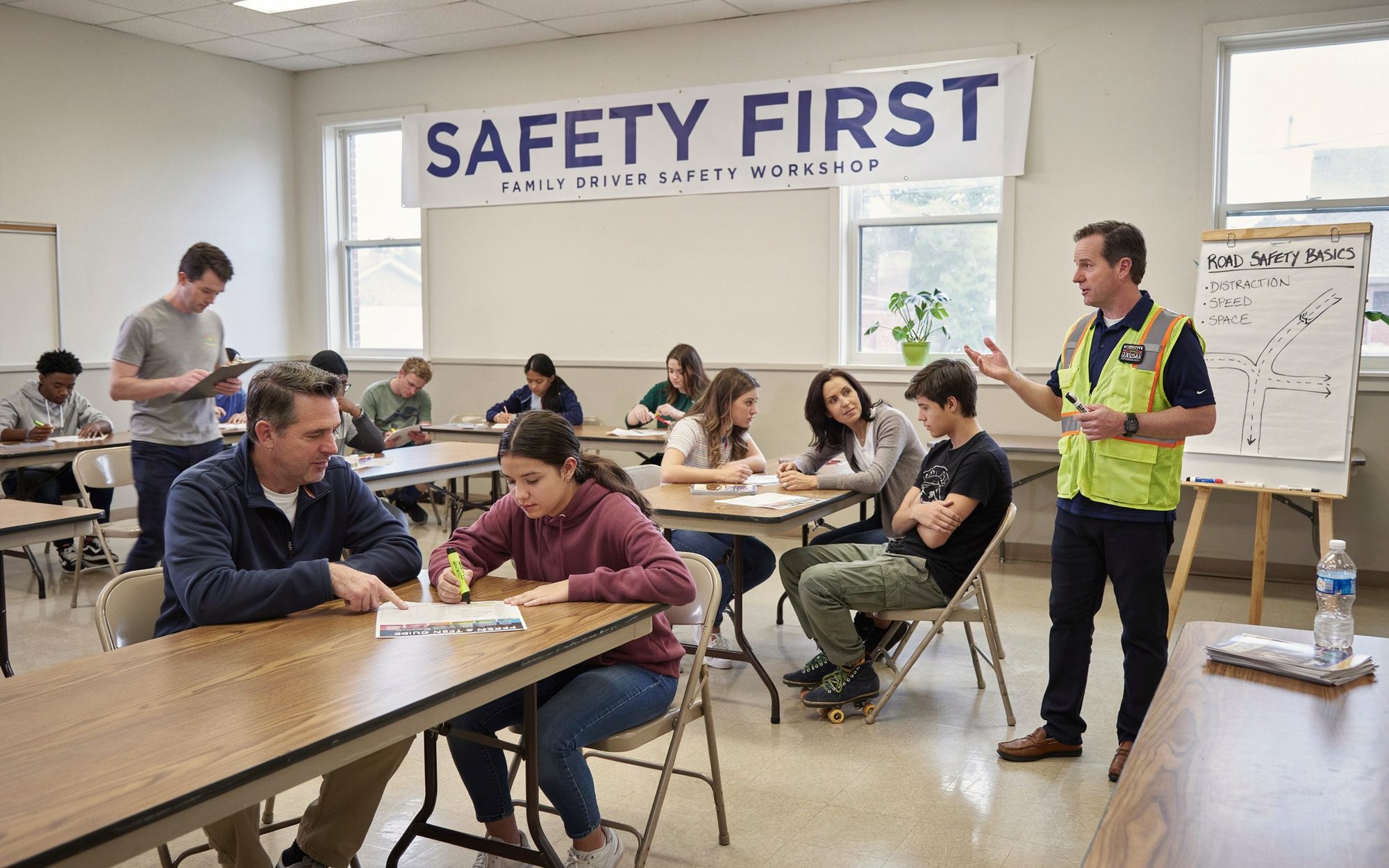
Technology presents both opportunities and responsibilities. Navigation systems, advanced driver assistance features, and mobile devices can improve convenience, but they can also create distractions when used improperly. Parents should establish clear expectations regarding phone use, passenger limits, nighttime driving, and other situations that increase risk during the early months of independent driving. Consistency in these expectations reinforces accountability while giving teenagers clear boundaries to follow.
Mistakes should be treated as learning opportunities rather than defining moments. Every experienced driver remembers a close call, a difficult parking attempt, or a moment of uncertainty behind the wheel. Reflecting on these experiences together allows teenagers to strengthen judgment without becoming discouraged. The goal is continuous improvement, not perfection.
Perhaps the most important lesson parents can teach is that driving is an act of responsibility toward others. Every decision affects passengers, pedestrians, cyclists, and fellow motorists. Safe driving is not simply about protecting oneself. It is about recognizing that every person on the road depends on shared awareness, patience, and respect.
Raising a safe and confident teen driver is not accomplished through one conversation or one driving lesson. It is built over months and years through example, encouragement, and trust. Parents who invest time in developing judgment, character, and responsibility give their teenagers something far more valuable than the ability to operate a vehicle. They provide the confidence to make wise decisions that will protect lives for years to come, both on the road and beyond it.
