


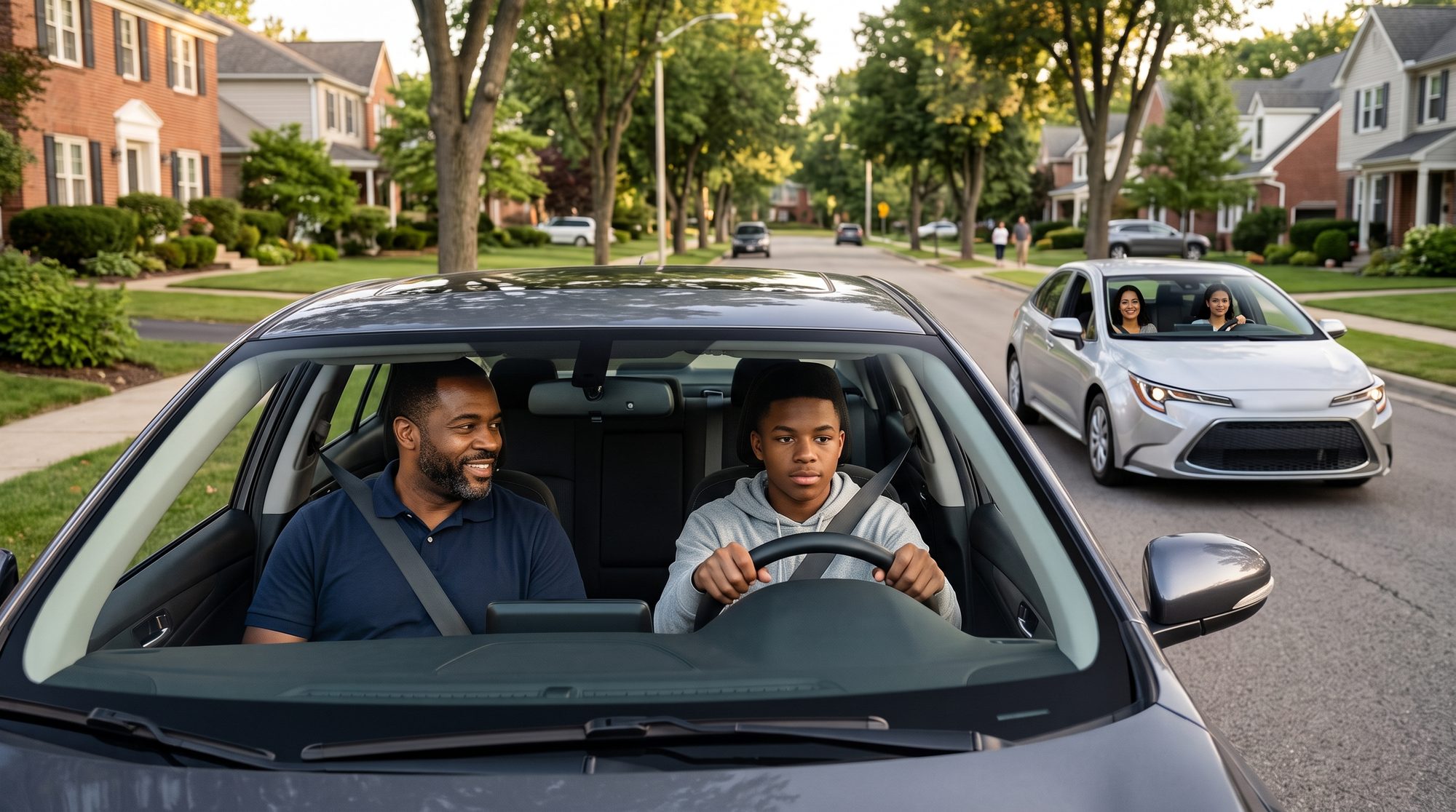
The moment a teenager receives the keys to a vehicle, a new chapter begins. It is often celebrated as a milestone of freedom, independence, and possibility. Yet beneath that excitement lies something even more significant. Every trip, every decision, and every habit formed during those first years behind the wheel becomes part of a lifelong approach to safety and responsibility.
Learning to drive is not simply about operating a vehicle. It is about developing judgment. The ability to recognize risks, stay focused under pressure, and make thoughtful decisions often matters far more than technical driving skills. A teenager who understands this distinction is not just becoming a capable driver. They are becoming a responsible decision maker.
Research consistently shows that new drivers face greater risks because experience cannot be taught overnight. Confidence often develops faster than judgment, creating situations where young drivers may underestimate hazards or overestimate their abilities. This gap is where lifelong habits begin to take shape. The goal is not to eliminate confidence but to build it alongside wisdom.
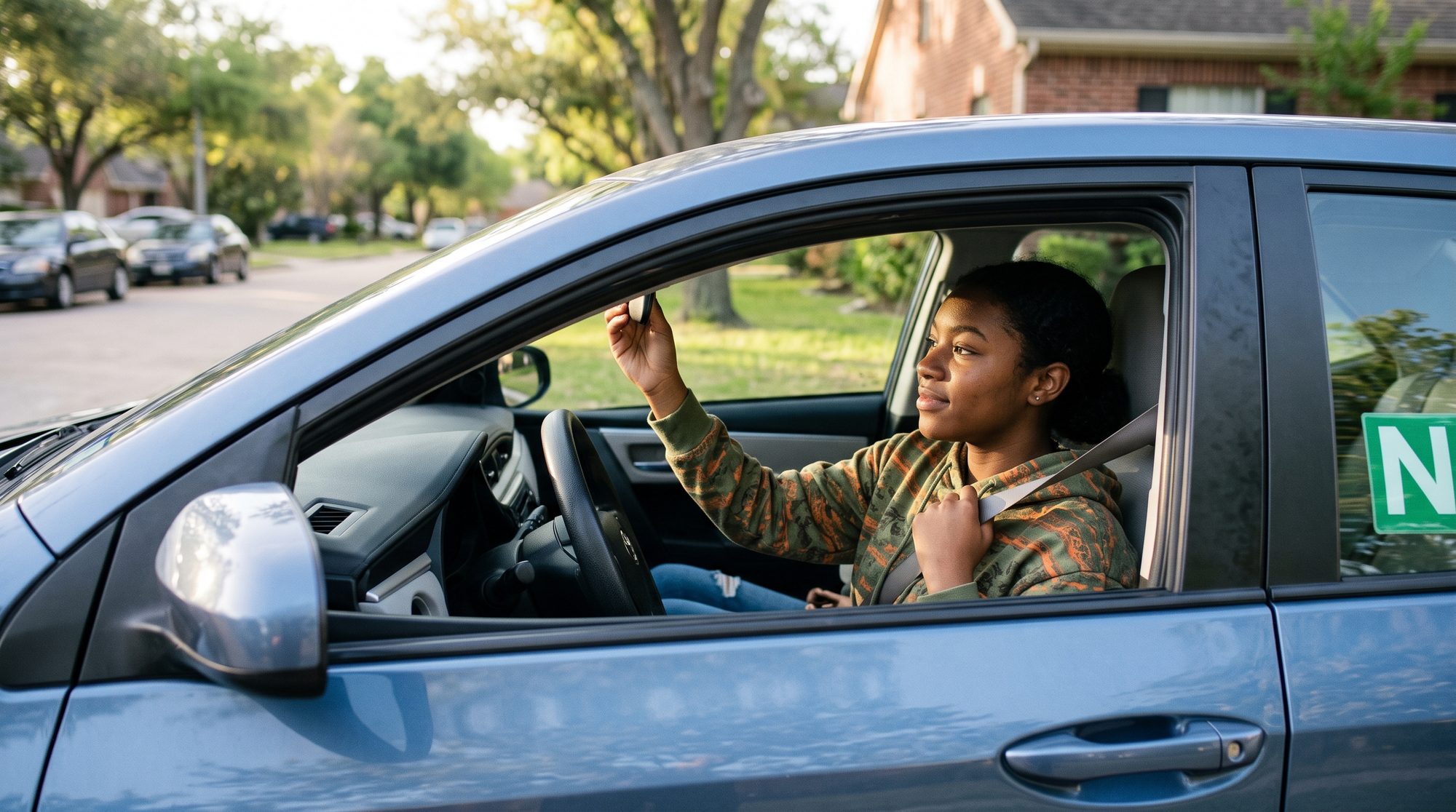
Safe driving starts long before the engine turns over. It begins with preparation. A well rested driver reacts faster than a tired one. A phone placed out of reach removes unnecessary temptation. A seat belt fastened before shifting into gear becomes an automatic action rather than an occasional reminder. These seemingly ordinary behaviors become powerful routines that protect lives over time.
Parents and mentors play a remarkable role during this stage. Teenagers watch more than they listen. Every time an adult obeys the speed limit, avoids distracted driving, remains patient in traffic, or calmly responds to unexpected situations, they demonstrate habits worth repeating. Consistent examples often leave a greater impression than any lecture ever could.
The driving environment itself also provides valuable lessons. Rain teaches patience. Heavy traffic teaches awareness. Night driving teaches caution. Each new experience expands a young driver's ability to anticipate rather than simply react. Over time, these experiences strengthen judgment, helping teenagers become more prepared for situations they cannot predict.
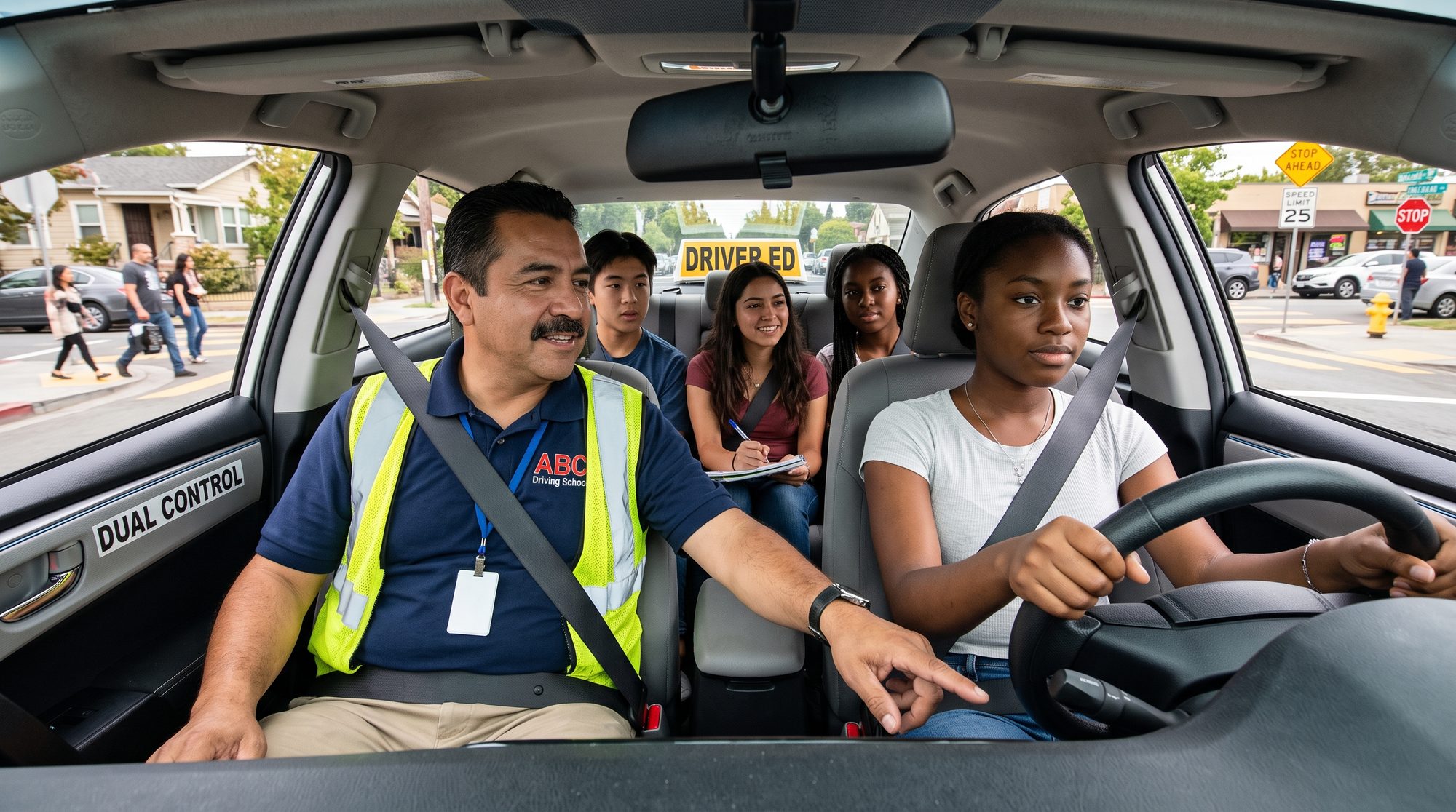
Technology has introduced both opportunities and challenges. Modern vehicles include advanced safety features that can reduce the likelihood of crashes, yet no technology can replace attentive decision making. Lane assistance, automatic braking, and collision alerts are valuable tools, but they should support responsible driving rather than create a false sense of security. The safest driver is still the one who remains fully engaged with the road.
Perhaps the most important lesson is understanding that every choice carries consequences beyond the driver alone. Passengers, pedestrians, cyclists, and other motorists all depend on one another to make responsible decisions. Driving is one of the clearest examples of how individual actions influence the safety and wellbeing of an entire community.
Building lifelong driving habits is not about creating fear. It is about creating awareness. Every safe decision reinforces the next one. Every distraction resisted strengthens discipline. Every mile driven with patience builds confidence rooted in responsibility rather than chance.
The first years behind the wheel represent far more than learning to drive. They establish a mindset that can last for decades. When teenagers develop habits centered on focus, preparation, and accountability, they carry those qualities beyond the road and into every area of life. Safe driving then becomes more than a skill. It becomes a reflection of character, responsibility, and respect for the lives we share each day.
