


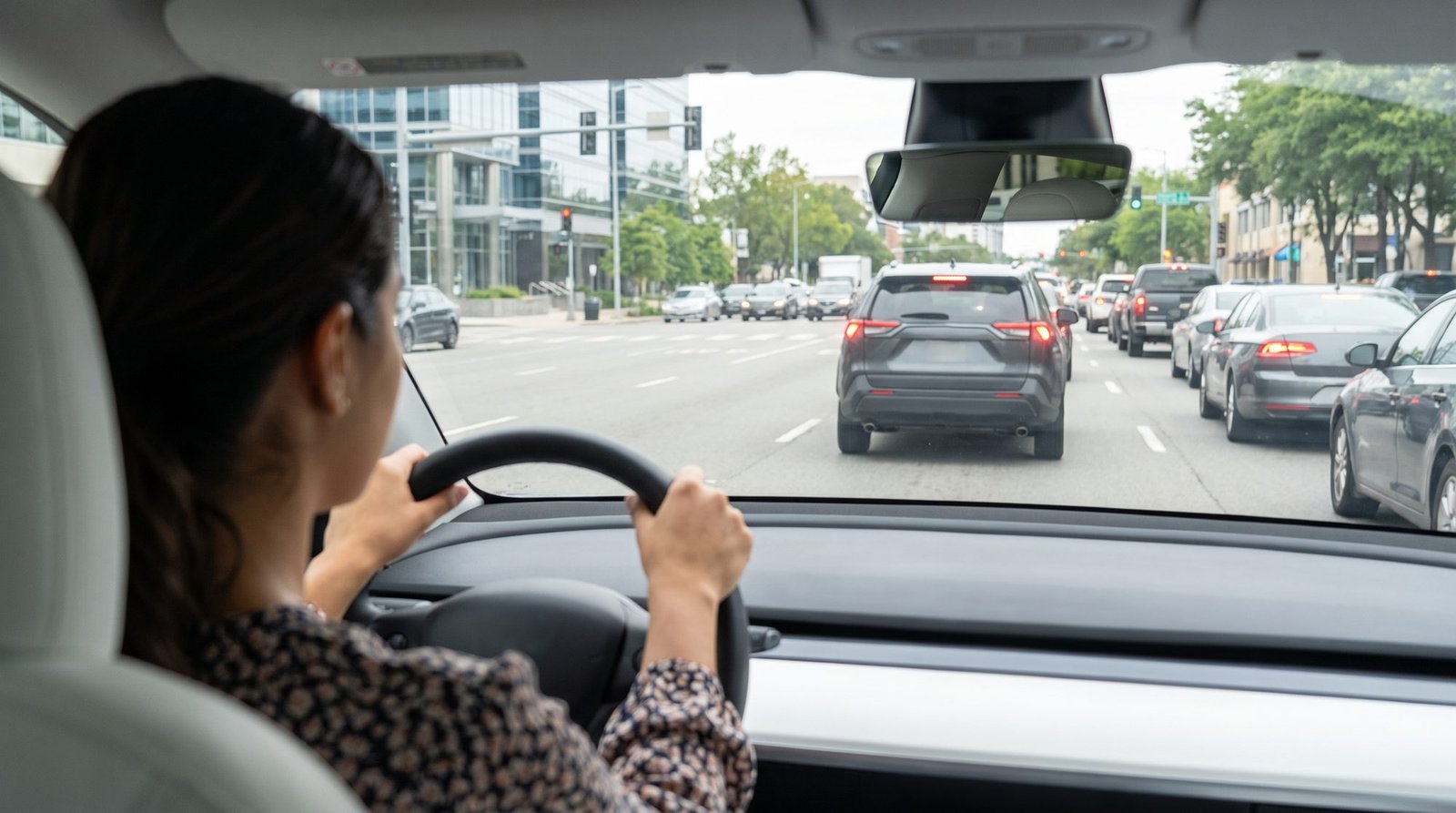
Every driver has experienced the unexpected. A vehicle cuts across lanes without signaling. Someone follows too closely. Traffic comes to a complete stop for no apparent reason. These moments can trigger frustration in an instant. The real test of a driver, however, is not whether stressful situations occur. It is whether emotions are allowed to take control when clear thinking is needed most.
Road rage is more than feeling irritated behind the wheel. It is the escalation of anger into aggressive actions that place everyone on the road at risk. Yelling, making threatening gestures, intentionally blocking another vehicle, speeding to confront another driver, or engaging in dangerous maneuvers are not simply emotional reactions. They are decisions that dramatically increase the likelihood of crashes, injuries, and life changing consequences.
Responsible driving begins with understanding that emotions influence judgment. When anger rises, attention narrows. Drivers become more focused on the person who frustrated them than on the conditions around them. The brain shifts from thoughtful decision making to emotional reaction, reducing the ability to evaluate risks objectively. In that moment, safety is often replaced by the desire to prove a point, defend pride, or seek revenge. None of those outcomes belongs on the road.
One of the most effective ways to prevent road rage is recognizing its early warning signs. A racing heartbeat, tightened muscles, raised voice, aggressive thoughts, or the urge to chase another vehicle are signals that emotions are beginning to outweigh judgment. Identifying these responses early creates an opportunity to pause before frustration turns into dangerous behavior. Awareness is often the first step toward better decisions.
Stress from daily life frequently contributes to road rage long before a driver starts the engine. Work deadlines, financial concerns, family responsibilities, and personal challenges can leave people emotionally exhausted. Traffic then becomes the spark that ignites emotions that have been building throughout the day. Understanding this connection reminds us that many aggressive encounters have less to do with driving itself than with the pressures people carry into their vehicles.
De-escalation is a skill that every driver can develop. Taking a deep breath, increasing following distance, avoiding eye contact with an aggressive driver, and refusing to respond to insults or gestures can quickly reduce the intensity of a situation. If another driver behaves recklessly, creating space rather than engaging is almost always the safest response. Protecting your safety is far more important than protecting your pride.
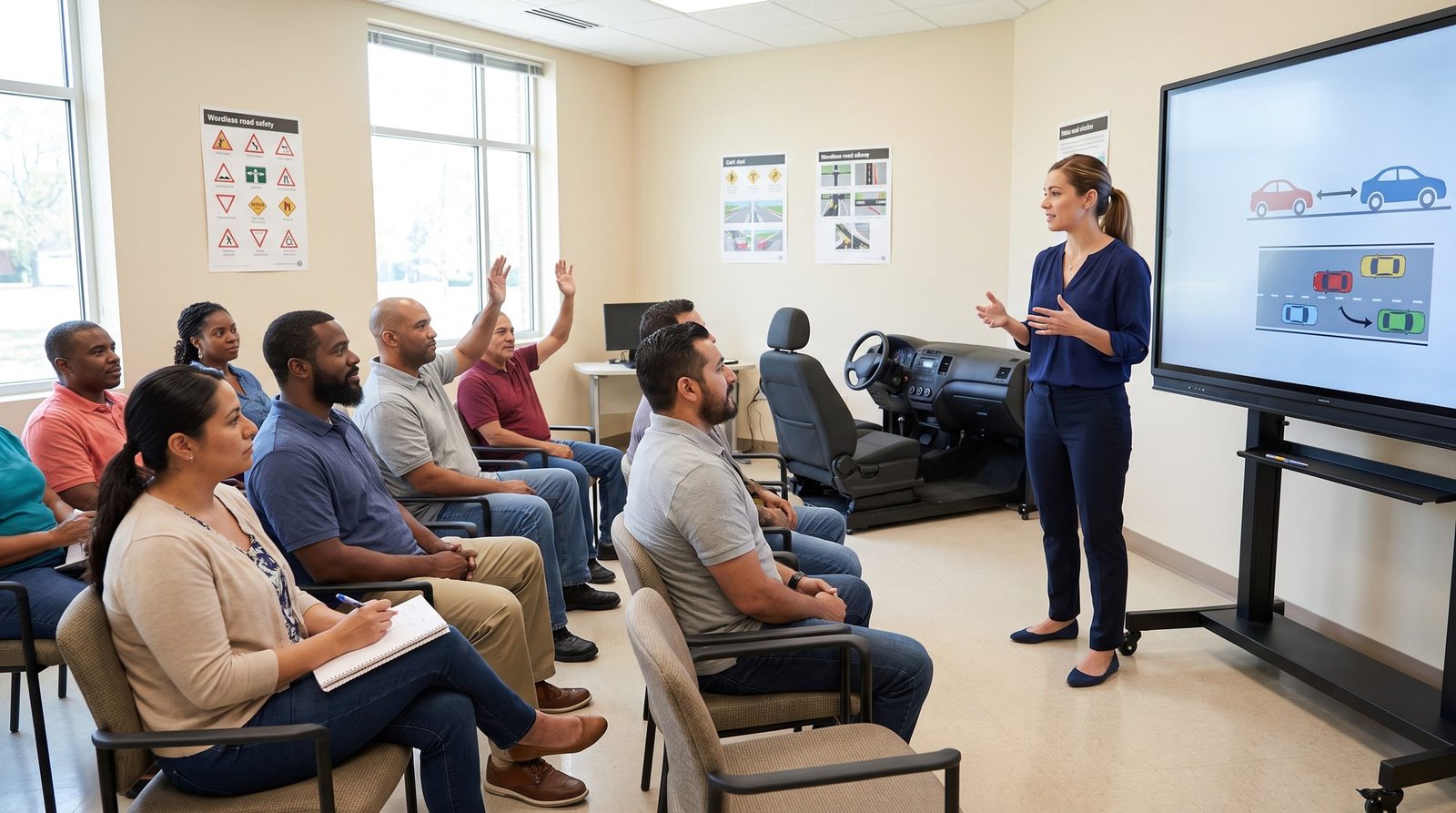
Defensive driving reinforces this mindset by focusing attention on what can be controlled. Drivers cannot control another person's impatience, poor judgment, or reckless behavior. They can control their speed, their following distance, their awareness, and their response. This shift from reaction to intention transforms driving from an emotional experience into a disciplined one.
Communities also benefit when responsible driving becomes a shared expectation. Every calm response prevents the possibility of escalation. Every patient decision contributes to safer roads for families, emergency responders, cyclists, pedestrians, and fellow motorists. Safety grows stronger when drivers choose cooperation over confrontation.
The road is not a place to settle disagreements or express frustration. It is a shared space where every decision carries consequences that extend beyond the individual making them. Choosing patience does not mean accepting poor behavior from others. It means refusing to allow someone else's actions to determine your own. Responsible drivers understand that strength is measured not by winning an argument in traffic, but by arriving home safely with the people who matter most. Every trip presents that choice, and every calm decision helps build a safer journey for everyone.
