



Every journey begins with a choice. Before a vehicle moves an inch, a driver has already made dozens of decisions about preparation, awareness, and responsibility. Among those choices, none carries greater consequences than deciding whether to drive while impaired. What may seem like a single moment of convenience can quickly become a decision that changes lives forever.
Impairment is often associated with alcohol, but its reach extends much further. Prescription medications, over the counter medicines, illegal drugs, recreational substances, fatigue, and even certain medical conditions can reduce a driver's ability to operate a vehicle safely. The common thread is simple. Anything that affects judgment, attention, coordination, or reaction time also affects the ability to drive responsibly.
Driving is a constant exercise in decision making. Every second requires the brain to gather information, evaluate changing conditions, anticipate potential hazards, and respond appropriately. An impaired mind struggles to complete these tasks with the speed and accuracy they demand. A delayed reaction to a traffic signal, a missed stop sign, or an inability to judge distance can transform an ordinary drive into a tragic event.
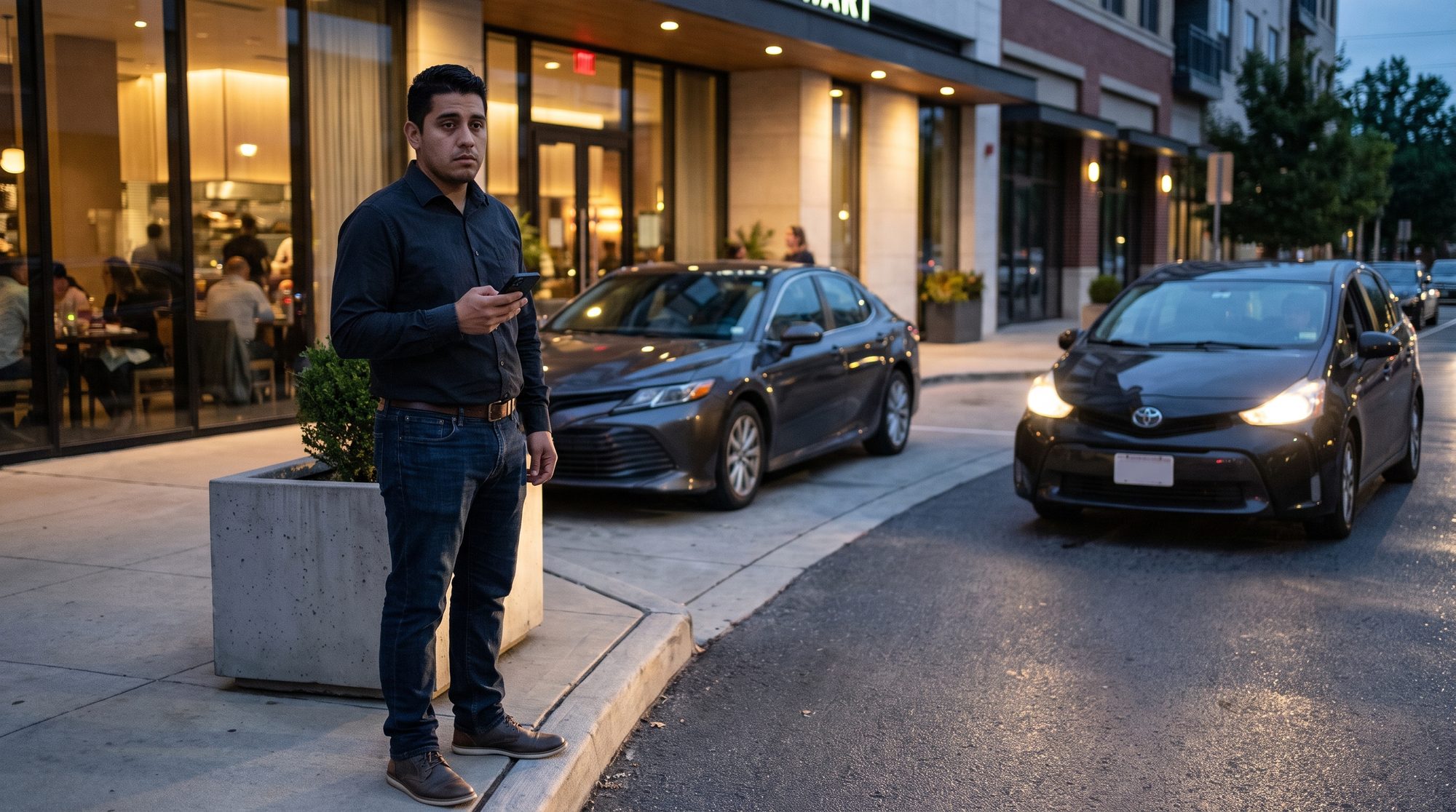
One of the greatest dangers of impairment is that it often weakens the ability to recognize impairment itself. People under the influence may believe they are capable of driving because they feel confident or alert. Unfortunately, confidence and capability are not the same. As judgment becomes compromised, the ability to accurately evaluate risk declines as well. This creates a dangerous cycle where poor decisions appear reasonable to the person making them.
Alcohol slows brain function and reduces coordination, making it more difficult to maintain lane position, judge speed, and respond to unexpected situations. Drugs, whether legal or illegal, can alter perception, concentration, and motor skills in different ways. Some medications cause drowsiness, blurred vision, or delayed reactions even when taken exactly as prescribed. Responsible drivers understand that reading warning labels and consulting medical professionals about driving restrictions are just as important as following dosage instructions.
The consequences of impaired driving extend well beyond the individual behind the wheel. Every roadway is a shared environment where drivers, passengers, pedestrians, cyclists, and families depend on one another to make responsible choices. A single impaired decision has the potential to affect dozens of people whose lives intersect for only a few moments. Those moments, however, can leave permanent memories, injuries, or loss.
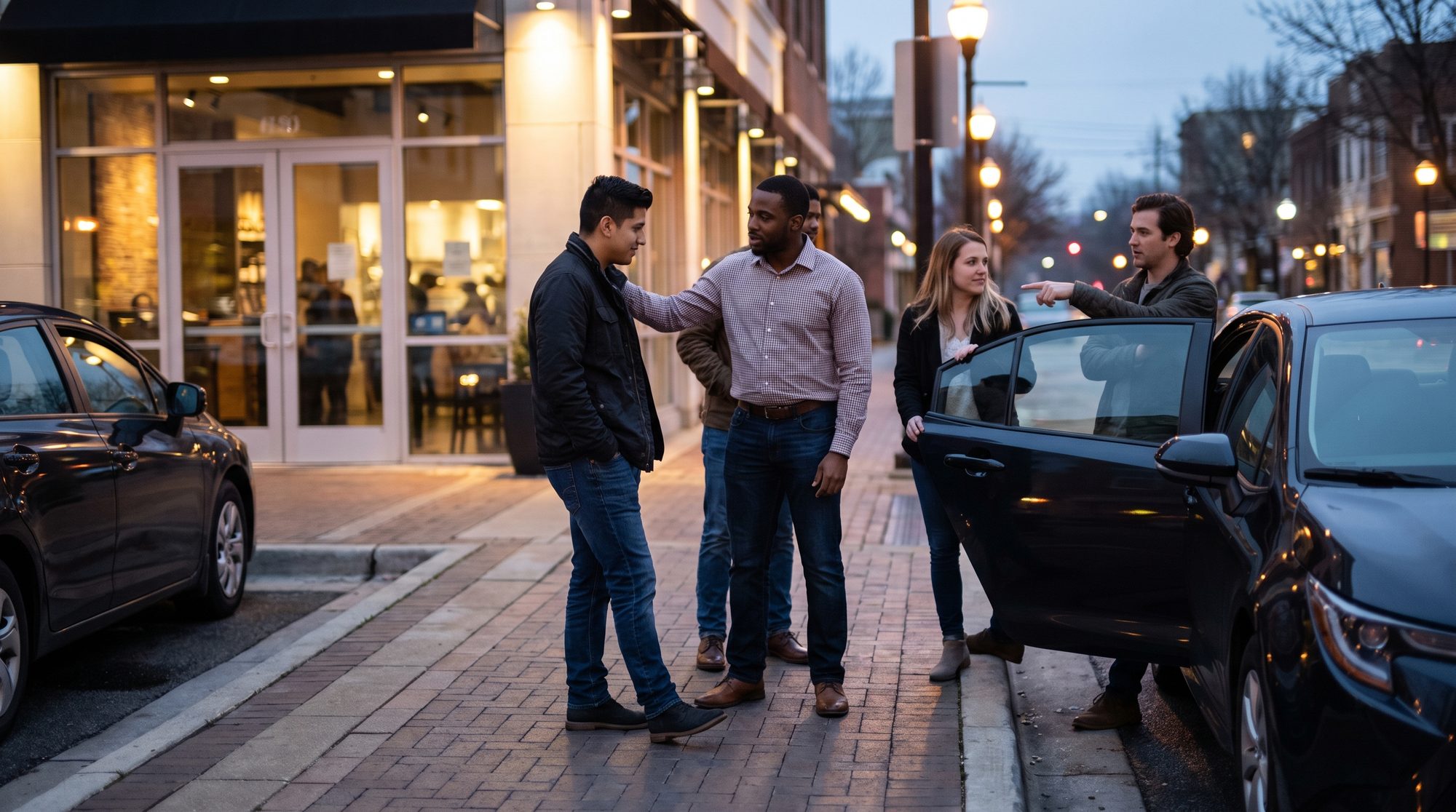
The encouraging reality is that impaired driving is one of the most preventable safety risks. Planning ahead is often the simplest solution. Choosing a designated driver, arranging a rideshare, calling a friend or family member, using public transportation, or waiting until it is safe to drive are decisions that reflect strength rather than inconvenience. True responsibility is demonstrated not by reaching a destination quickly, but by ensuring everyone arrives safely.
Communities also play an important role by encouraging conversations that remove the stigma of asking for help. Friends who take someone's keys, families who create transportation plans before gatherings, and organizations that promote responsible choices all contribute to a culture where safety becomes a shared value instead of an individual burden.
Every decision has a destination. Some lead to opportunity, growth, and memorable experiences. Others can carry consequences that last a lifetime. Choosing not to drive while impaired is more than following the law. It is an act of respect for human life, personal accountability, and the understanding that every safe choice helps protect the journey of someone else. The most meaningful destination is not simply arriving where you intended to go. It is ensuring that everyone else has the opportunity to do the same.
