


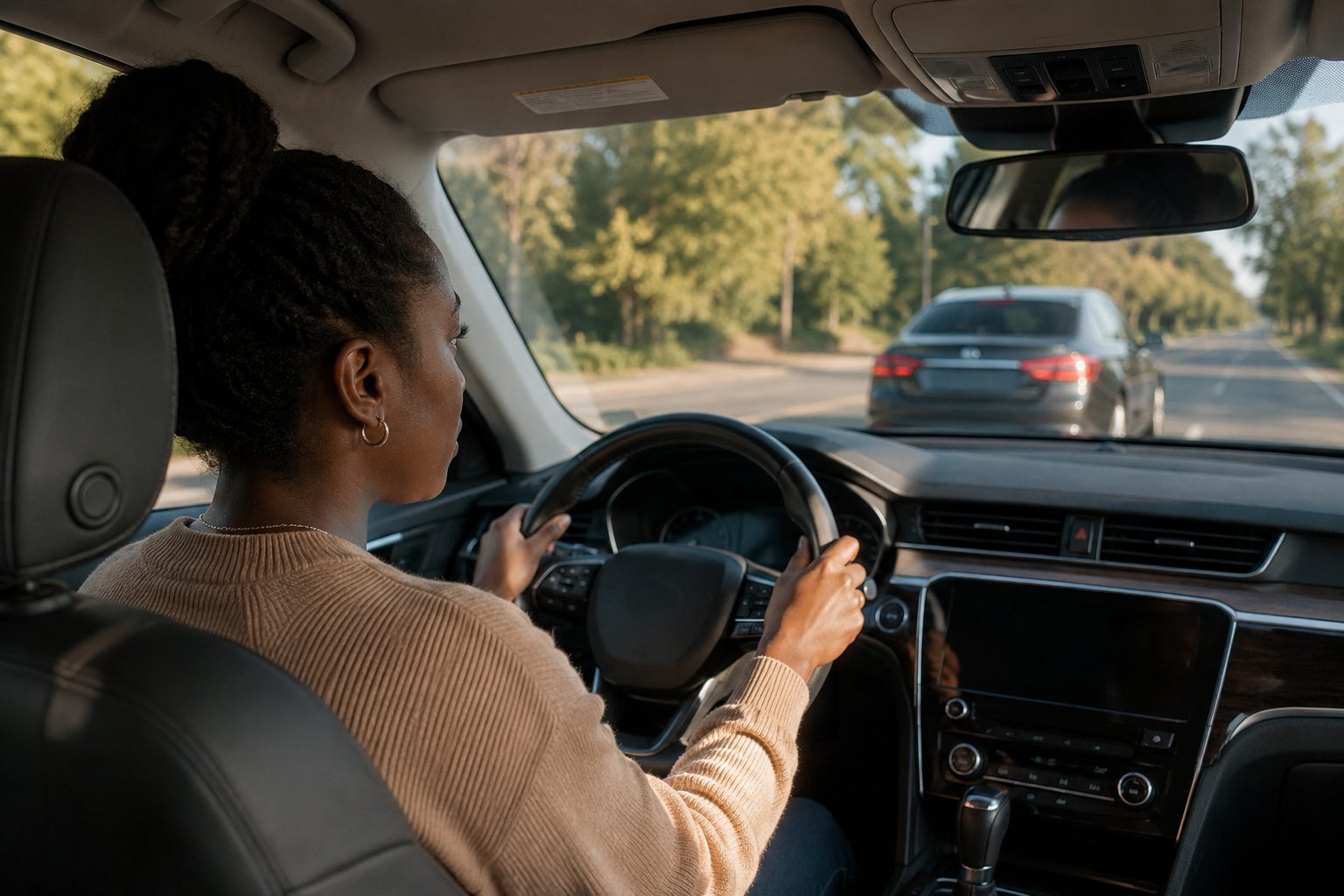
The road is one of the few places where complete strangers make thousands of decisions around one another every single day. Most of those decisions happen without incident. Yet when frustration, impatience, or anger enters the equation, an ordinary commute can quickly become unpredictable. Aggressive driving is not simply about speeding or weaving through traffic. It is often the visible result of emotions taking control when judgment should be leading the way.
Every driver eventually encounters situations that test patience. Congested highways, missed turns, unexpected delays, and inconsiderate behavior from others can create moments of frustration. The difference between a safe outcome and a dangerous one often depends not on what another driver does, but on how we choose to respond. Emotional control becomes one of the most valuable safety features any vehicle can have, and it comes from the driver, not the dashboard.
Aggressive driving includes behaviors such as excessive speeding, tailgating, unsafe lane changes, running traffic signals, blocking other vehicles, and making hostile gestures. These actions increase risk because they reduce the time available to react and encourage others to respond emotionally instead of rationally. Roads become less predictable when drivers compete for space instead of cooperating to move safely.
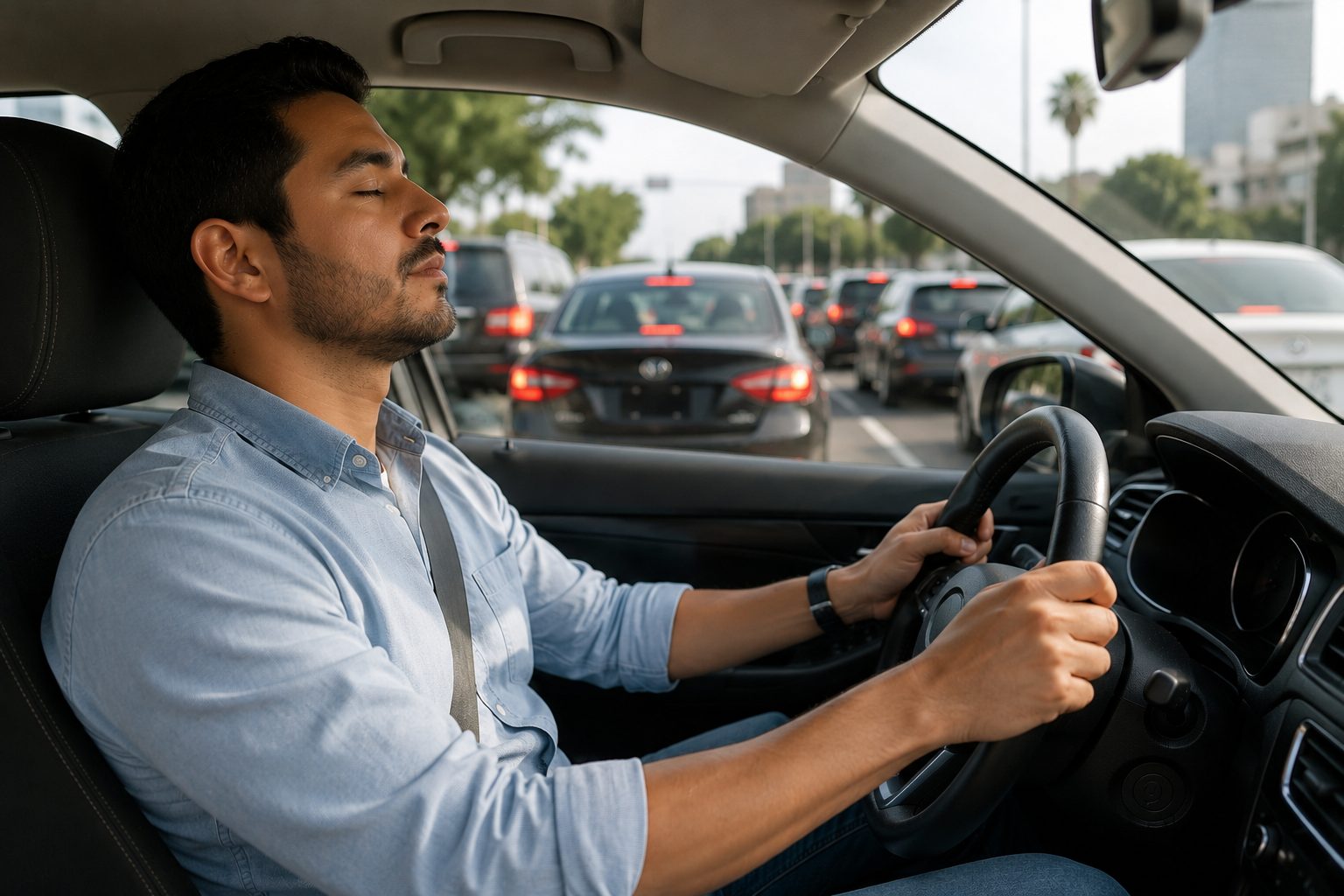
Stress often fuels aggressive driving long before someone gets behind the wheel. Deadlines, financial pressures, family responsibilities, and personal challenges do not disappear when the car starts. They travel with us. Without healthy ways to manage stress, everyday traffic becomes an outlet for emotions that have little to do with the road itself. Recognizing this connection is an important step toward becoming a calmer and more responsible driver.
Defensive driving offers a powerful alternative. Rather than reacting to the behavior of aggressive drivers, defensive drivers focus on anticipation, awareness, and maintaining safe choices regardless of surrounding conditions. They leave adequate following distance, avoid unnecessary confrontation, signal intentions clearly, and remain alert to potential hazards. Their goal is not to win space on the road. It is to arrive safely.
One of the greatest strengths a driver can demonstrate is restraint. When another vehicle cuts into a lane, follows too closely, or behaves recklessly, the instinct to retaliate can be strong. Yet matching aggression with aggression rarely improves the situation. Instead, it increases the likelihood of conflict and reduces everyone's margin for safety. Choosing to slow down, create distance, and allow an aggressive driver to move ahead is often the safest decision available.

Technology can support safe driving, but it cannot replace emotional discipline. Modern vehicles may include adaptive cruise control, collision warnings, blind spot monitoring, and automatic emergency braking. These systems provide valuable assistance, but they cannot prevent poor decisions rooted in anger or impatience. The most advanced safety system remains a calm and attentive driver who exercises sound judgment under pressure.
Building emotional awareness behind the wheel also strengthens habits beyond driving. Patience developed during traffic often carries into workplaces, families, and communities. Learning to pause before reacting, evaluate a situation objectively, and respond thoughtfully are leadership qualities that extend far beyond transportation. The road becomes another place where character is practiced one decision at a time.
Every trip presents opportunities to choose composure over conflict. Roads will always contain delays, mistakes, and unexpected challenges. Those realities cannot be eliminated, but our response to them remains within our control. Drivers who remain patient, think ahead, and prioritize safety over pride create a safer experience not only for themselves, but for everyone around them. In the end, arriving a few moments later with peace of mind is always a greater achievement than arriving first at the cost of unnecessary risk.
