



Before breakfast, you may have already unlocked your phone, checked the weather, opened an email, searched for something online, scrolled through social media, and perhaps made a purchase. Each action feels ordinary. Together, however, they tell a story about who you are, what interests you, where you go, and how you spend your time.
That story is your digital identity, and it deserves your attention.
Data privacy can sound like a technical issue reserved for cybersecurity experts and technology companies. In reality, it is personal. Your name, passwords, location, photographs, financial information, shopping habits, browsing activity, and online preferences can all become pieces of a much larger digital profile. Protecting that information is increasingly as important as protecting your wallet or locking the front door.
The challenge is that we often share information without thinking much about the exchange. A new app asks for access to your location, contacts, camera, or photographs, and tapping “Allow” becomes almost automatic. A website asks you to accept cookies before you have even read the first sentence. Social media invites us to share birthdays, vacations, workplaces, relationships, favorite places, and daily routines.
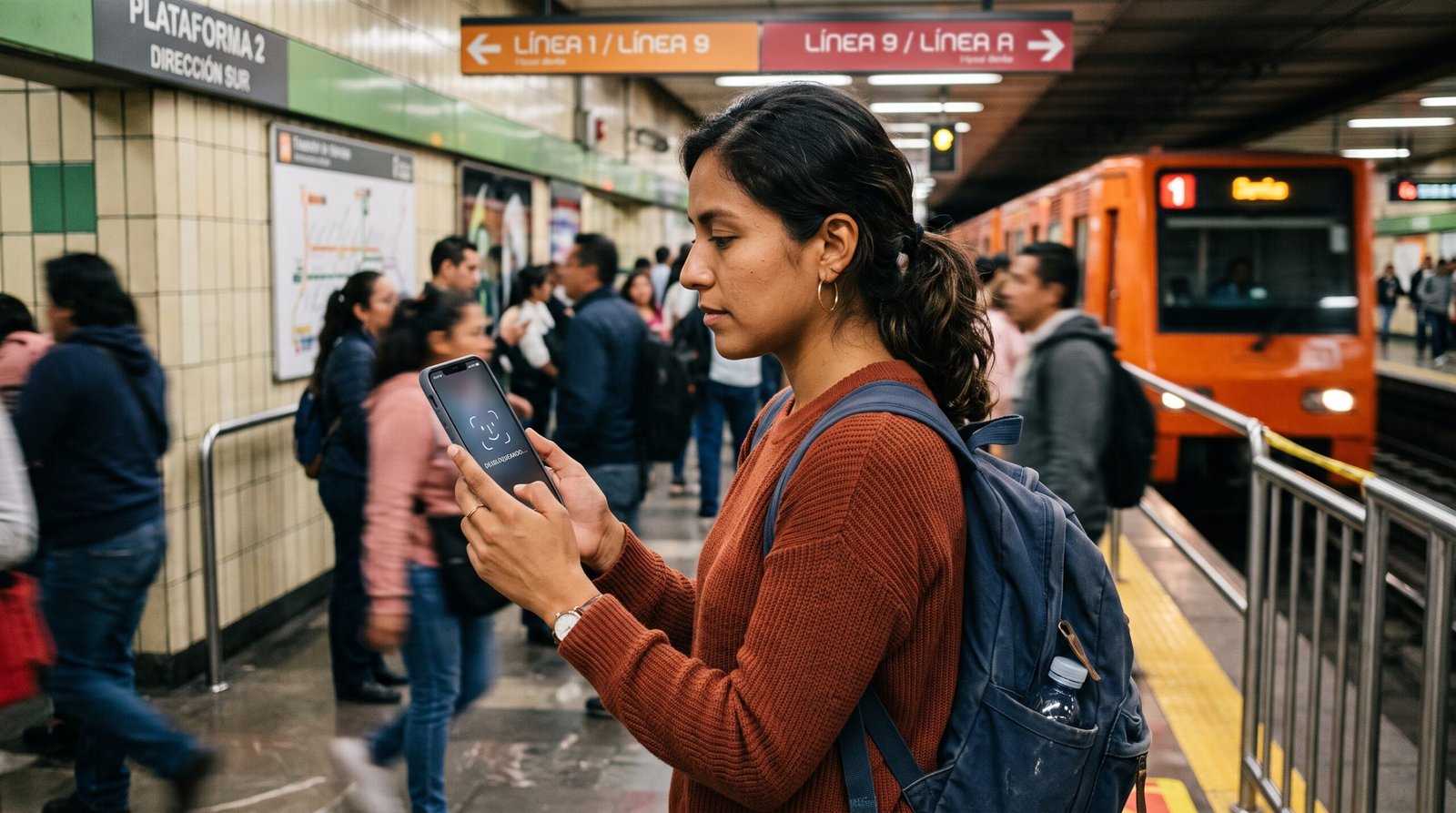
Individually, those details may seem harmless. Combined, they can reveal much more than we intended.
That does not mean we should become afraid of technology. Digital tools make life more convenient, connected, and productive. Businesses use data to personalize experiences, improve products, prevent fraud, and understand what customers need. The goal is not to disappear from the digital world. It is to participate in it with greater awareness.
That awareness becomes especially important as scams become more convincing. A suspicious message no longer always looks suspicious. Fraudulent texts can sound professional. Emails can imitate companies you recognize. Fake websites can closely resemble legitimate ones. Criminals often rely on urgency because hurried people are more likely to click first and question later.
A few simple habits can dramatically improve your protection. Use different passwords for important accounts instead of recycling one familiar password everywhere. Turn on multifactor authentication when it is available. Keep phones, computers, applications, and browsers updated. Review which applications have access to your location, microphone, photographs, and contacts. Before clicking an unexpected link or responding to an urgent request, give yourself a moment to verify who is asking.

Social media deserves the same attention. Sharing the excitement of a vacation is fun, but announcing that your home will be empty for a week may reveal more than intended. Posting a new job or birthday celebration can connect people, but personal details can also become clues used to answer security questions or impersonate someone online. Privacy does not require silence. It requires knowing the difference between sharing a moment and surrendering unnecessary information.
Companies have responsibilities too. People should be able to understand why their information is being collected and how it will be protected. Organizations that treat privacy merely as a legal requirement miss something larger. Protecting customer information is an act of trust, and trust is much harder to rebuild than data is to collect.
The most important shift is recognizing that privacy is not about fear. It is about ownership. Your information has value, which means deciding who receives it should not be an afterthought.
Technology will continue becoming more connected, personalized, and intelligent. Our habits need to become smarter along with it. We do not have to reject convenience to protect privacy, but we should become more intentional about the digital trail we leave behind.

Every click may leave a footprint. The goal is not to stop walking. It is to pay attention to where those footprints lead.
