


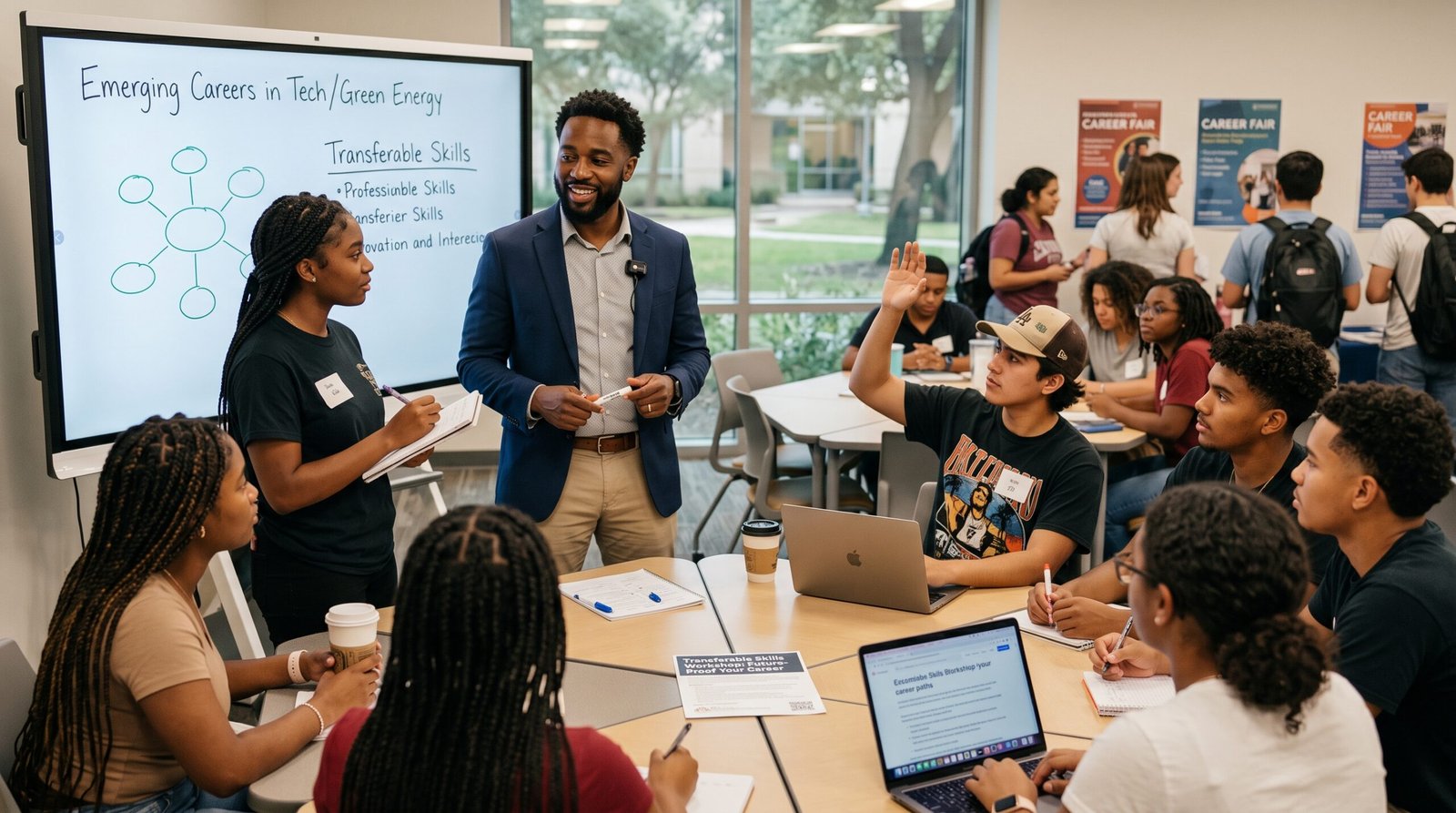
Somewhere in a classroom today is a student preparing for a career that does not have a job title yet. The industry may still be emerging. The technology may still be in development. The company that eventually hires that student may not even exist. That is not a reason to worry about the future. It is a reason to rethink how we prepare young people to meet it.
Artificial intelligence, robotics, biotechnology, renewable energy, cybersecurity, quantum computing, and other emerging technologies are changing the workplace quickly. New careers are appearing while familiar professions are being transformed. Preparing students for this environment cannot simply be about matching their skills to the jobs available today. It must be about giving them the confidence and ability to grow into opportunities that are still taking shape.
We can already see this transformation happening. Careers involving artificial intelligence, drone technology, virtual reality, digital ethics, cybersecurity, sustainability, and autonomous vehicles have expanded dramatically in recent years. The next wave may bring greater demand for quantum computing specialists, artificial intelligence governance professionals, smart city planners, robotic healthcare coordinators, climate resilience experts, and careers we have yet to name.
That makes adaptability one of the most valuable lessons a student can learn.
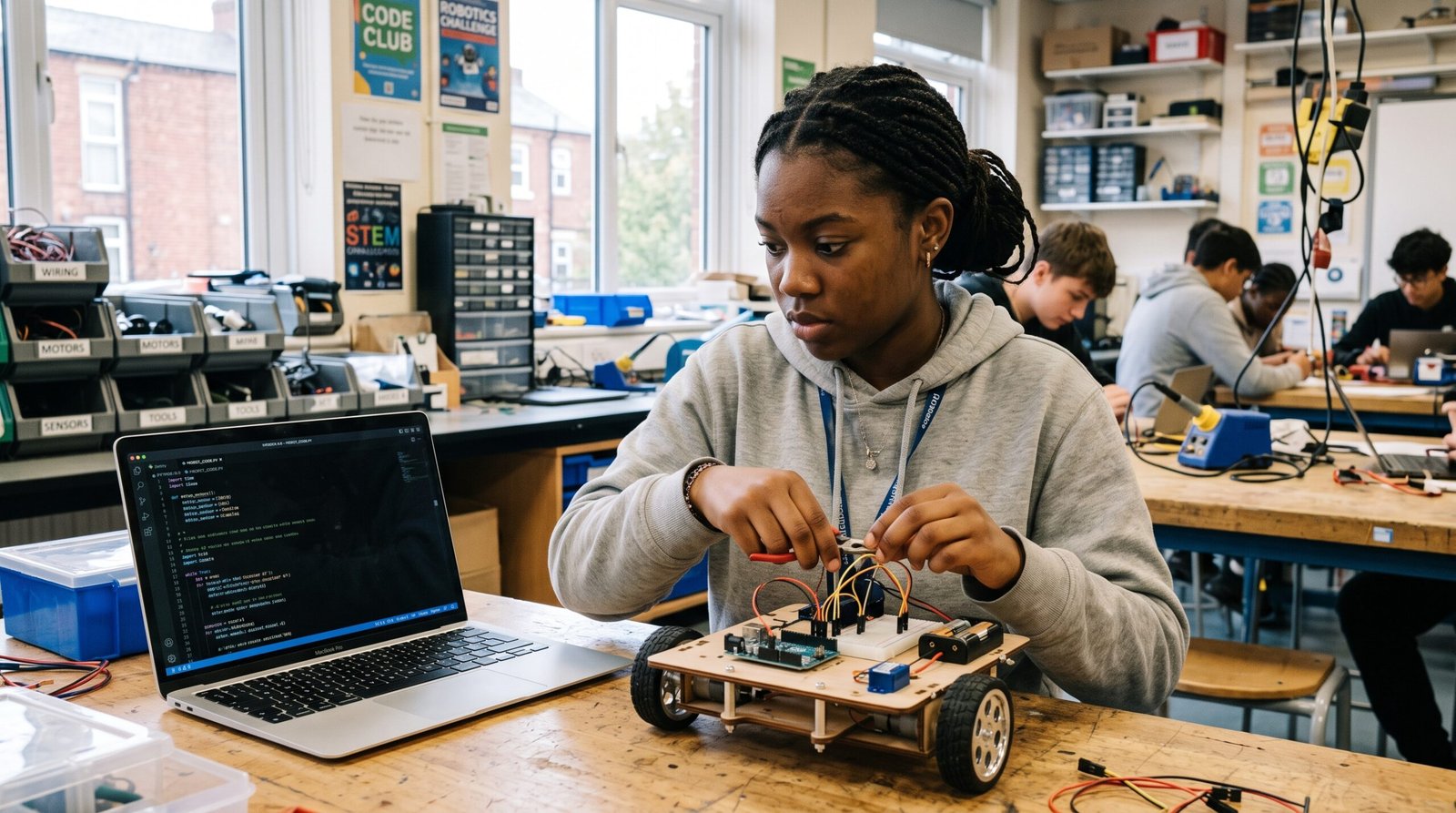
Academic knowledge will always matter, but knowledge alone cannot prepare someone for every turn their career might take. Students also need to know how to communicate ideas, solve problems, work with different personalities, think creatively, make responsible decisions, and learn something new without being intimidated by it. These are skills that travel. They remain valuable even when industries, technologies, and job titles change.
Curiosity may be just as important. Students who learn to ask questions, explore unfamiliar subjects, and challenge assumptions are better prepared to recognize opportunities others might overlook. Instead of teaching young people to fear a changing workplace, education can help them see change as an invitation to discover where their abilities might fit next.
Technology should be part of that preparation. Students need opportunities to use artificial intelligence and other digital tools responsibly, creatively, and thoughtfully. The goal is not simply to teach them how to operate the newest technology. It is to help them understand when technology can improve their work, when human judgment is necessary, and how the two can work together.
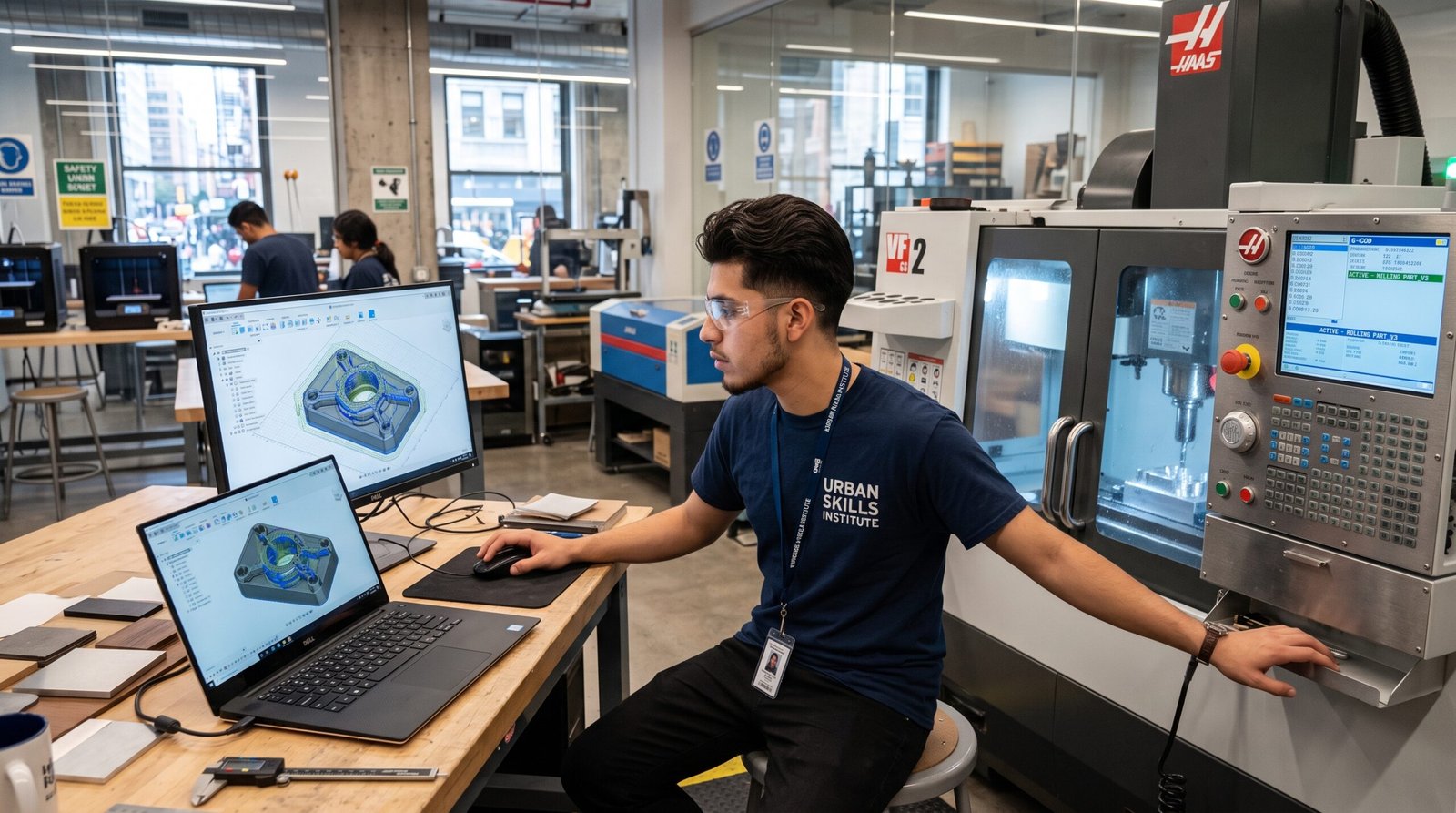
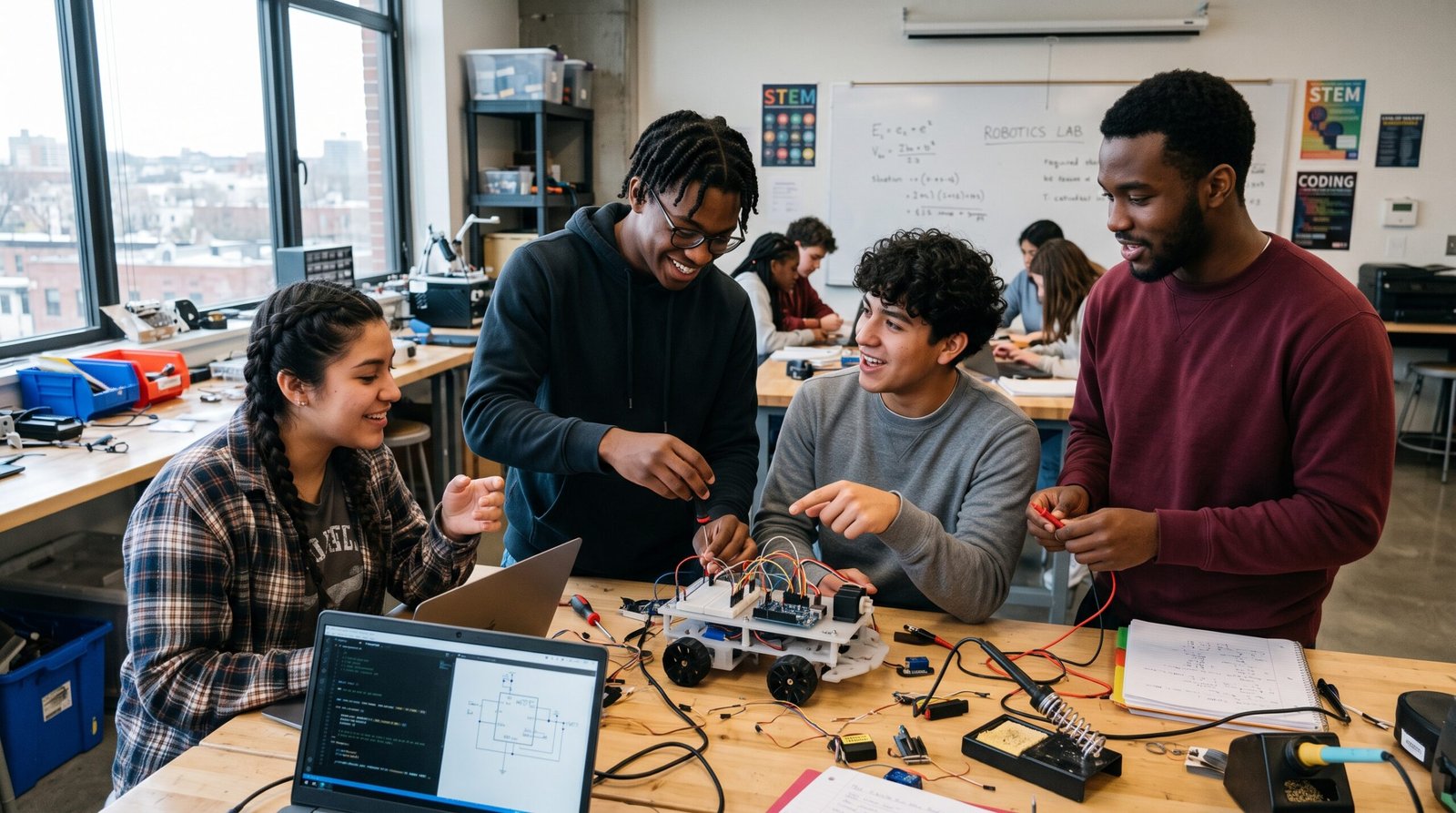
Learning should also move beyond the classroom. Internships, mentorship, entrepreneurship, career exploration, robotics programs, coding experiences, community projects, and partnerships with employers allow students to test their interests in the real world. A student who believes science is boring may discover environmental technology. Someone who enjoys gaming may become interested in software development. A teenager who loves solving everyday problems may discover an entrepreneurial instinct that no traditional career assessment ever captured.
Families, educators, communities, and employers all have a role in creating those moments of discovery. Young people benefit from adults who expose them to possibilities instead of pressuring them to have their entire future figured out. Career preparation should provide direction without creating a ceiling.
That matters because tomorrow’s careers are unlikely to follow perfectly straight paths. People will change roles, earn new credentials, learn new technologies, explore different industries, and reinvent themselves throughout their working lives. The ability to continue learning will become part of nearly every career.
Preparing students for jobs that do not exist yet is not about predicting every profession the future will create. No school, parent, or career counselor can do that.
The better goal is preparing young people to walk confidently into the unknown. Give them knowledge, but also teach them curiosity. Introduce them to technology, but strengthen their human skills. Help them develop career plans, but leave room for those plans to grow.
We may not know what every future job will be called. We can still prepare students to recognize opportunity when it arrives and give them the confidence to create new opportunities when it does not.
