


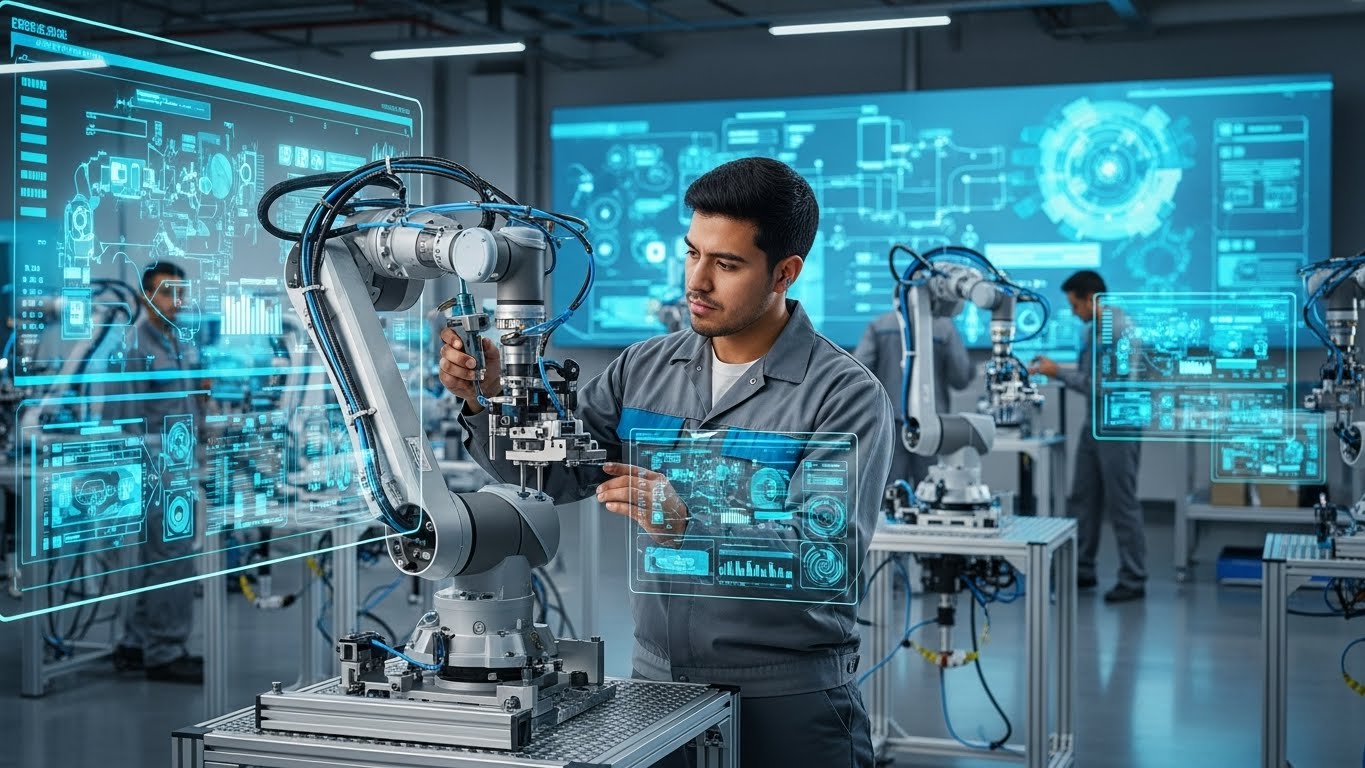
Walk into a modern factory today and you will not just hear the hum of machinery—you will witness the pulse of innovation. Robots glide across floors, sensors communicate with systems, and data flows in real time through digital networks. Yet behind all that technology stands a new kind of professional: the technician who combines hands-on skill with digital intelligence. These are the architects of the smart-factory revolution, where craftsmanship meets code and maintenance meets mastery.
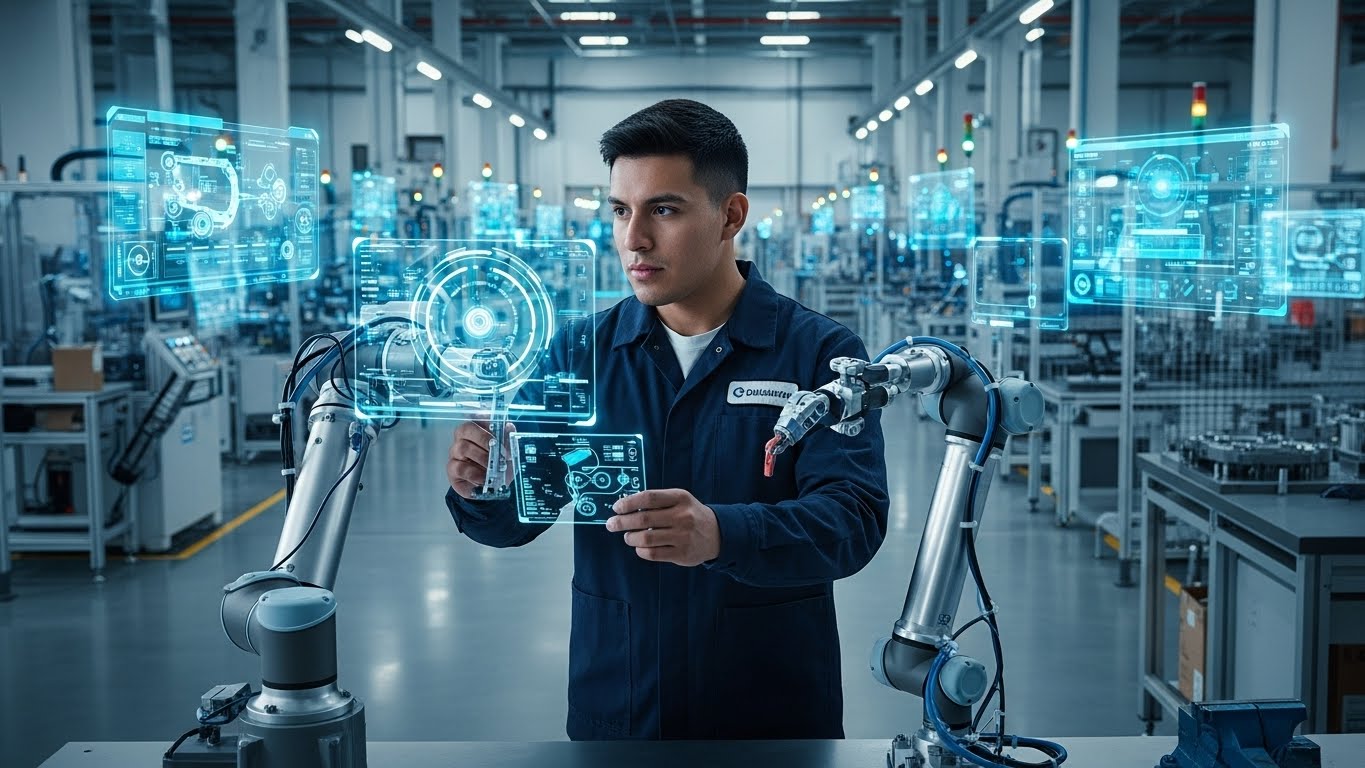
You live in a time when manufacturing is being redefined. The factory floor is no longer a place of repetitive tasks but a dynamic environment powered by automation, artificial intelligence, and predictive technology. As machines become smarter, the demand for human expertise grows sharper. It is not about replacing people—it is about evolving roles. The modern technician is both an engineer and a problem solver, fluent in mechanical systems and digital data.
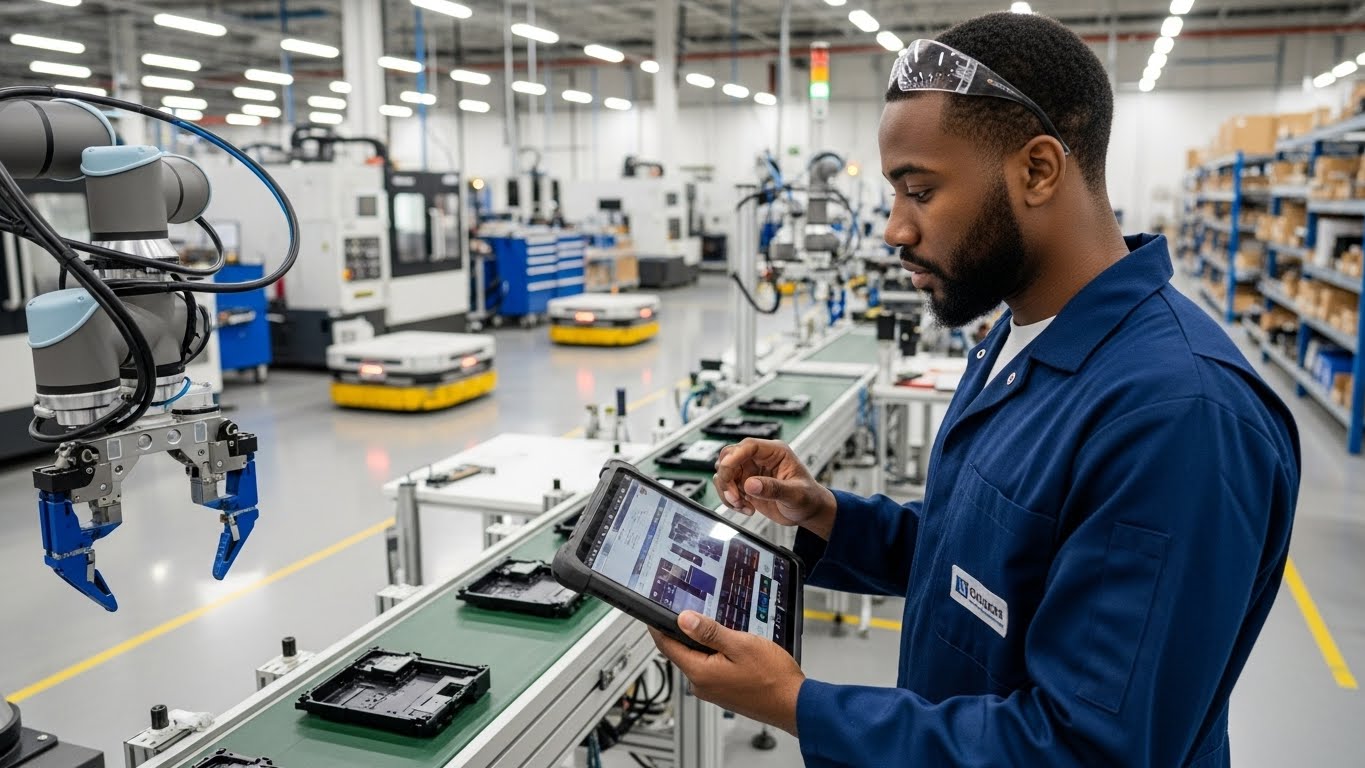
What sets these professionals apart is their ability to bridge two worlds. On one hand, they understand the precision of traditional maintenance—the sound of a motor that needs adjustment, the vibration that signals a failing bearing. On the other, they interpret complex data analytics that predict failures before they happen. They blend intuition with innovation, bringing a human touch to a digital ecosystem.
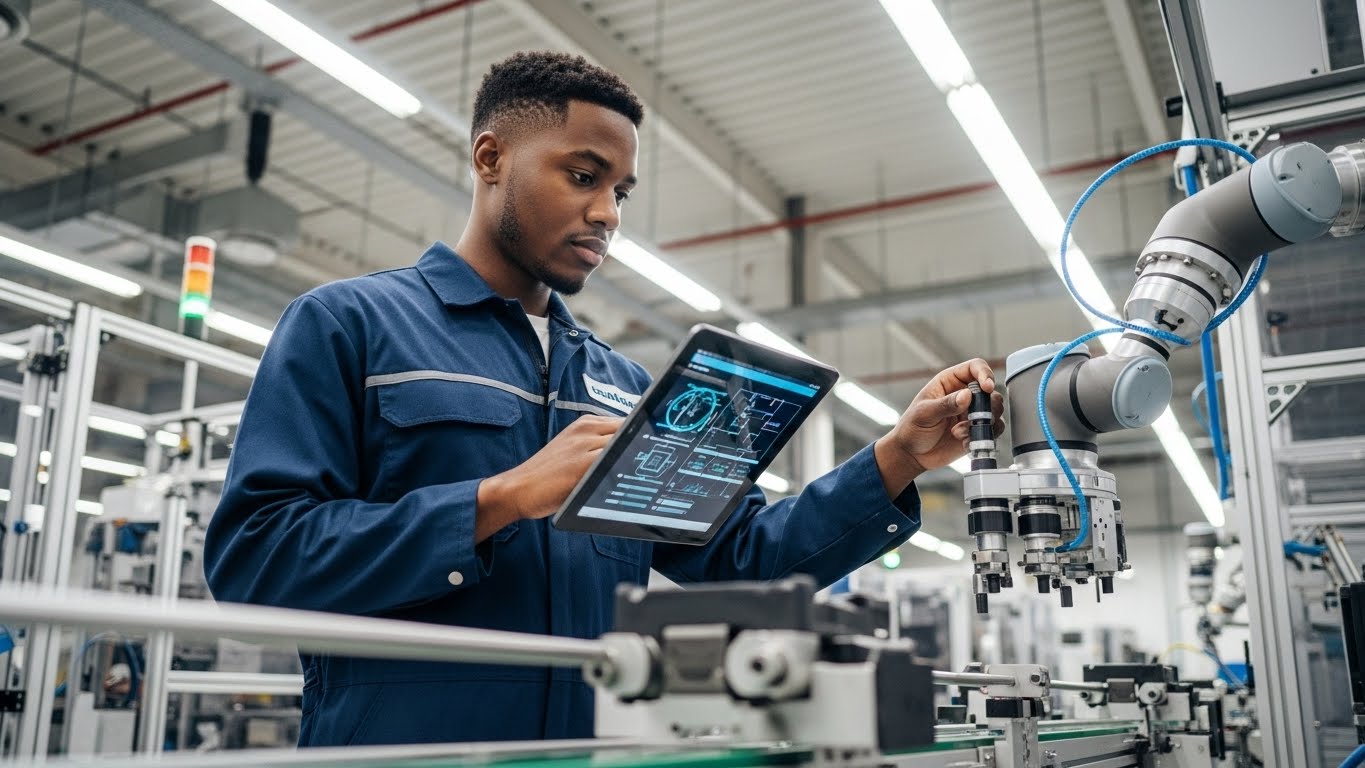
Smart factories rely on connectivity, and technicians are the connectors. They oversee systems where machines communicate through the Internet of Things, constantly exchanging data to optimize performance. They manage robotics that handle production with remarkable accuracy and efficiency. When something goes wrong, it is their expertise that keeps the operation running. They do not just fix problems—they prevent them. Their role has shifted from reactive maintenance to proactive management, powered by information and insight.
This new industrial landscape demands continuous learning. The most successful technicians embrace change with curiosity. They upgrade their skills in coding, cybersecurity, and digital diagnostics while maintaining their foundation in mechanical craftsmanship. They understand that knowledge has become the new form of maintenance—keeping their minds as sharp as their tools. This balance between experience and adaptability is what defines mastery in the modern age.
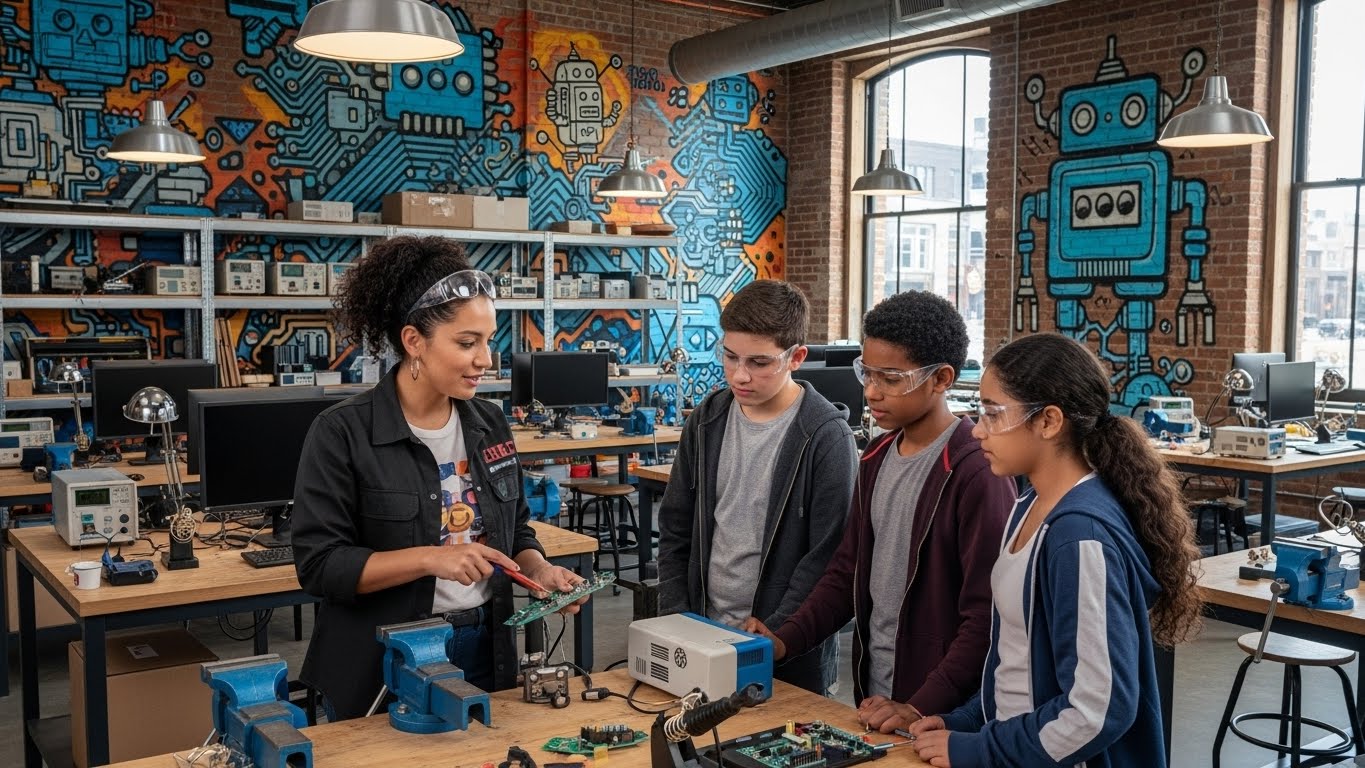
Technicians leading this revolution are also redefining teamwork. Collaboration between humans and machines requires a new kind of communication. It is not just about technical skill but emotional intelligence. The best technicians know how to work with people across disciplines—engineers, data scientists, and operators—to solve complex problems. They act as translators between technology and the human workforce, ensuring that progress remains efficient, safe, and sustainable.
Sustainability itself has become a major driver of the smart-factory movement. Through advanced monitoring and predictive maintenance, technicians are helping companies reduce waste, conserve energy, and extend equipment life. Their expertise supports cleaner, more efficient production processes that benefit both business and the environment. The future of industry depends on this balance between innovation and responsibility.
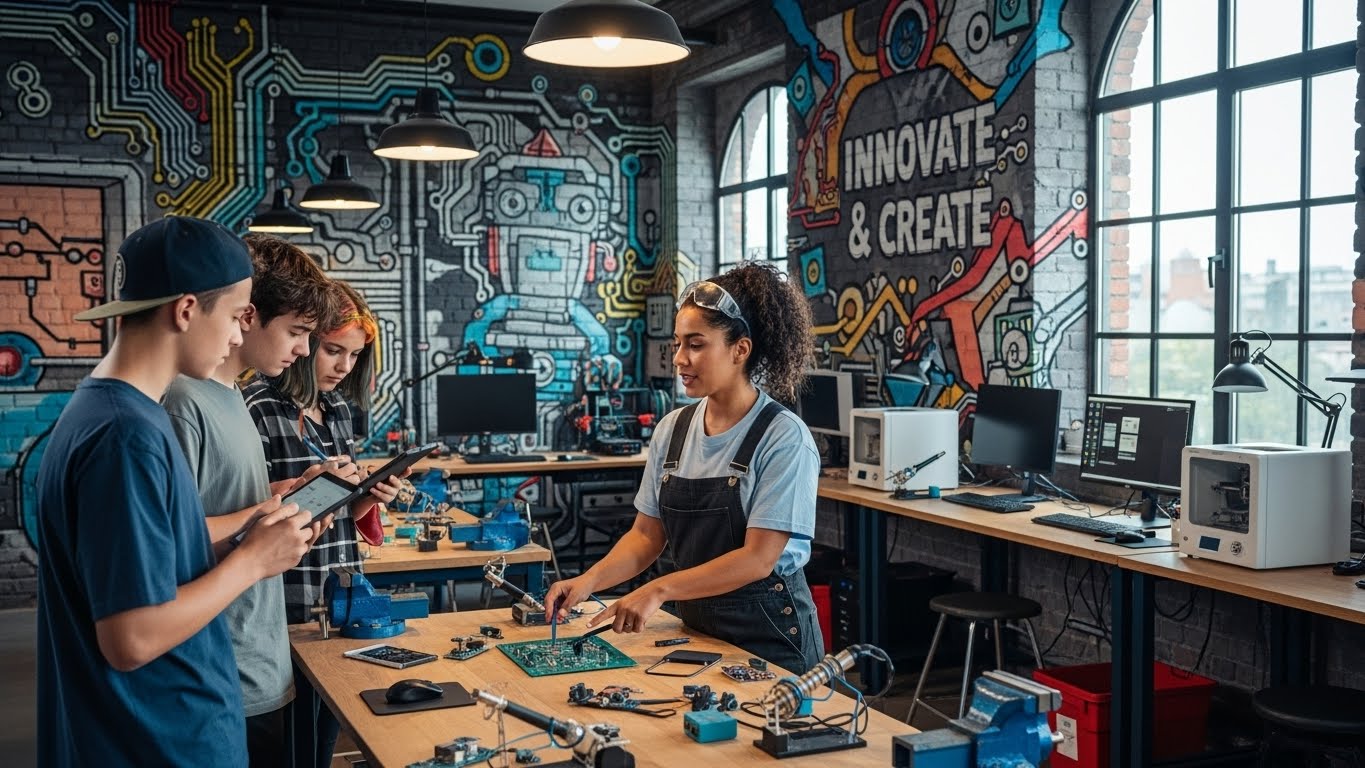
The path to becoming a leader in this field is open to those willing to invest in learning and precision. Certification programs, apprenticeships, and advanced training now prepare technicians not just to maintain equipment but to innovate alongside it. These roles offer stability, creativity, and purpose. They prove that the hands-on professions of the past are becoming the high-tech careers of the future.
For you, the opportunity lies in embracing this evolution. Whether you are already in the field or just starting out, mastering both the physical and digital aspects of manufacturing will place you at the forefront of transformation. The future belongs to those who can think critically, adapt quickly, and lead confidently in a connected world.
The smart-factory revolution is not about machines taking over—it is about humans working smarter. It is about technicians who combine logic with intuition, systems with solutions, and technology with purpose. They are the bridge between progress and precision, ensuring that as industries advance, humanity remains the heart of innovation. You have the potential to be one of them—to lead, to learn, and to master the machines shaping tomorrow’s world.
