


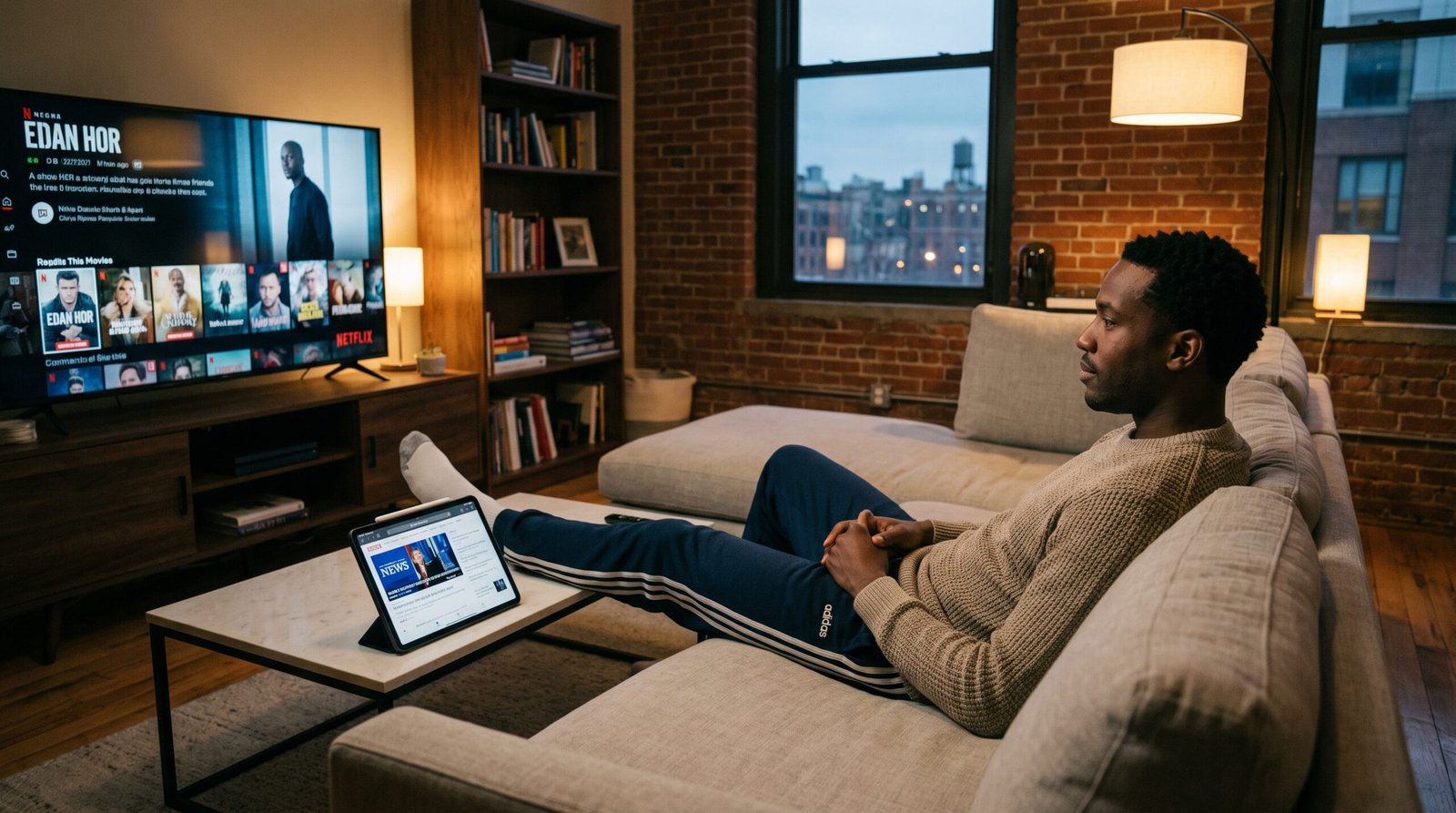
There was a certain power in hearing someone yell, “Your show is on!” You hurried into the room because television was not waiting for you. Favorite programs had a time, a night, and sometimes an entire family gathered around them. Miss the episode and you might spend the next day trying to avoid hearing what happened. Entertainment operated on a schedule. Today, the schedule belongs to us.
We have moved from prime time to screen time, and the change is bigger than simply swapping a television for a smartphone. Entertainment now follows us through the day. We watch a series from the couch, catch highlights during lunch, stream an interview at the gym, watch a tutorial while cooking, and scroll through videos before bed. Content no longer asks us to be somewhere at eight o’clock. It meets us wherever we happen to be.
Streaming helped rewrite the rules. Viewers no longer had to wait seven days for the next episode or arrange their evening around a network schedule. Entire seasons became available at once. Pausing, rewinding, skipping, and watching whenever we wanted quickly went from exciting features to basic expectations. Control shifted toward the audience, and once viewers experienced that freedom, there was little interest in giving it back.
Then social media changed the meaning of video again.
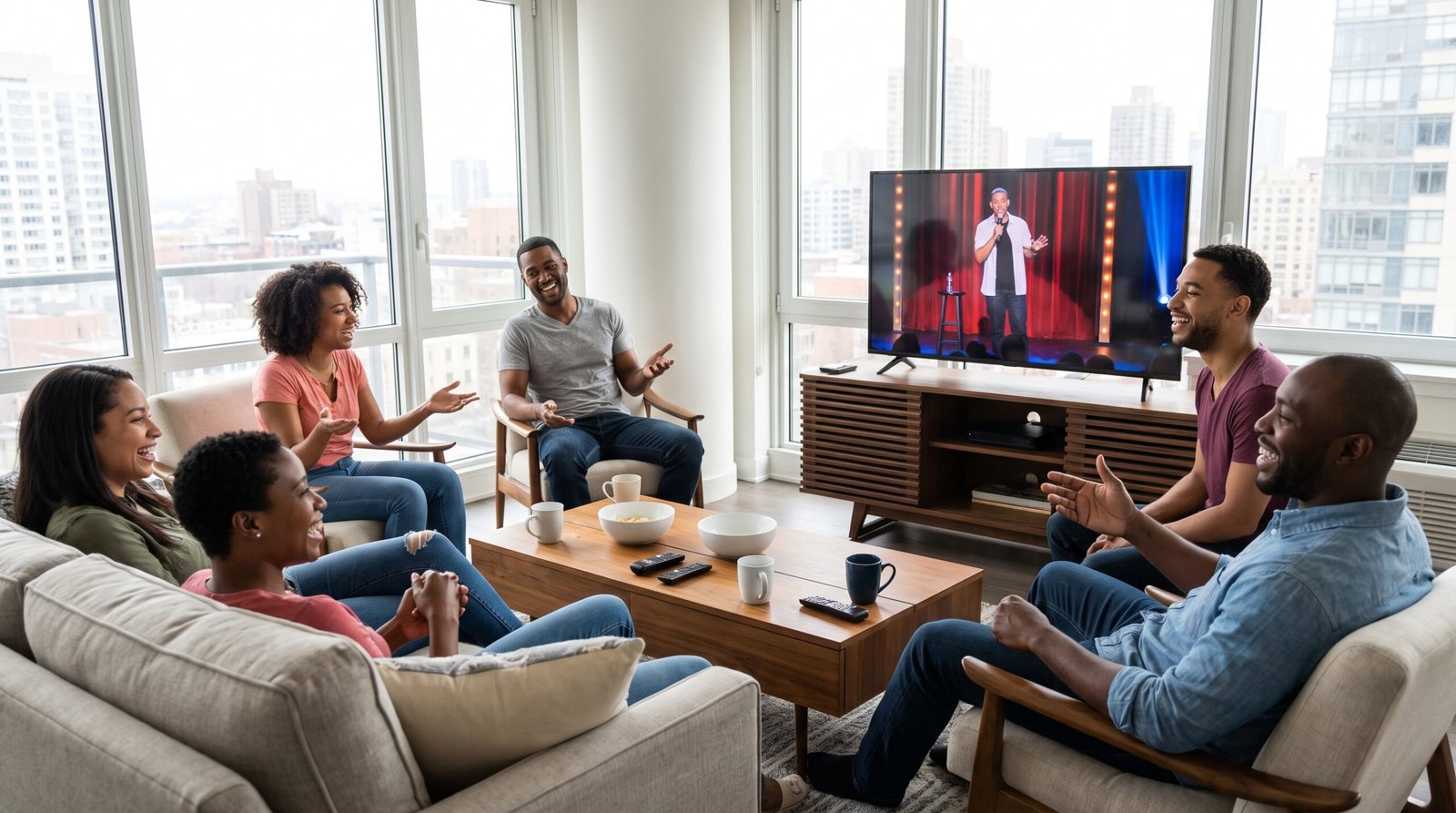
A story no longer needed thirty or sixty minutes to matter. A creator could teach a recipe in ninety seconds, explain a financial concept in two minutes, share sports commentary from a bedroom, or turn an everyday observation into entertainment for millions. Video became faster, more personal, and available to anyone with an idea and a device capable of recording it.
That opened doors traditional television could not always open. Independent filmmakers, comedians, educators, musicians, journalists, entrepreneurs, and cultural storytellers gained direct access to audiences. Someone with a smartphone could build a following without first convincing a network executive that people wanted to hear what they had to say.
Audiences gained something equally valuable: choice. Viewers can move from a documentary to a podcast interview, from a television series to a creator explaining history, and from a basketball game to instant analysis from former players and fans. Entertainment, education, news, and conversation now share the same screens.
But unlimited choice creates an interesting problem. When there is always something else to watch, stopping can become harder than starting.
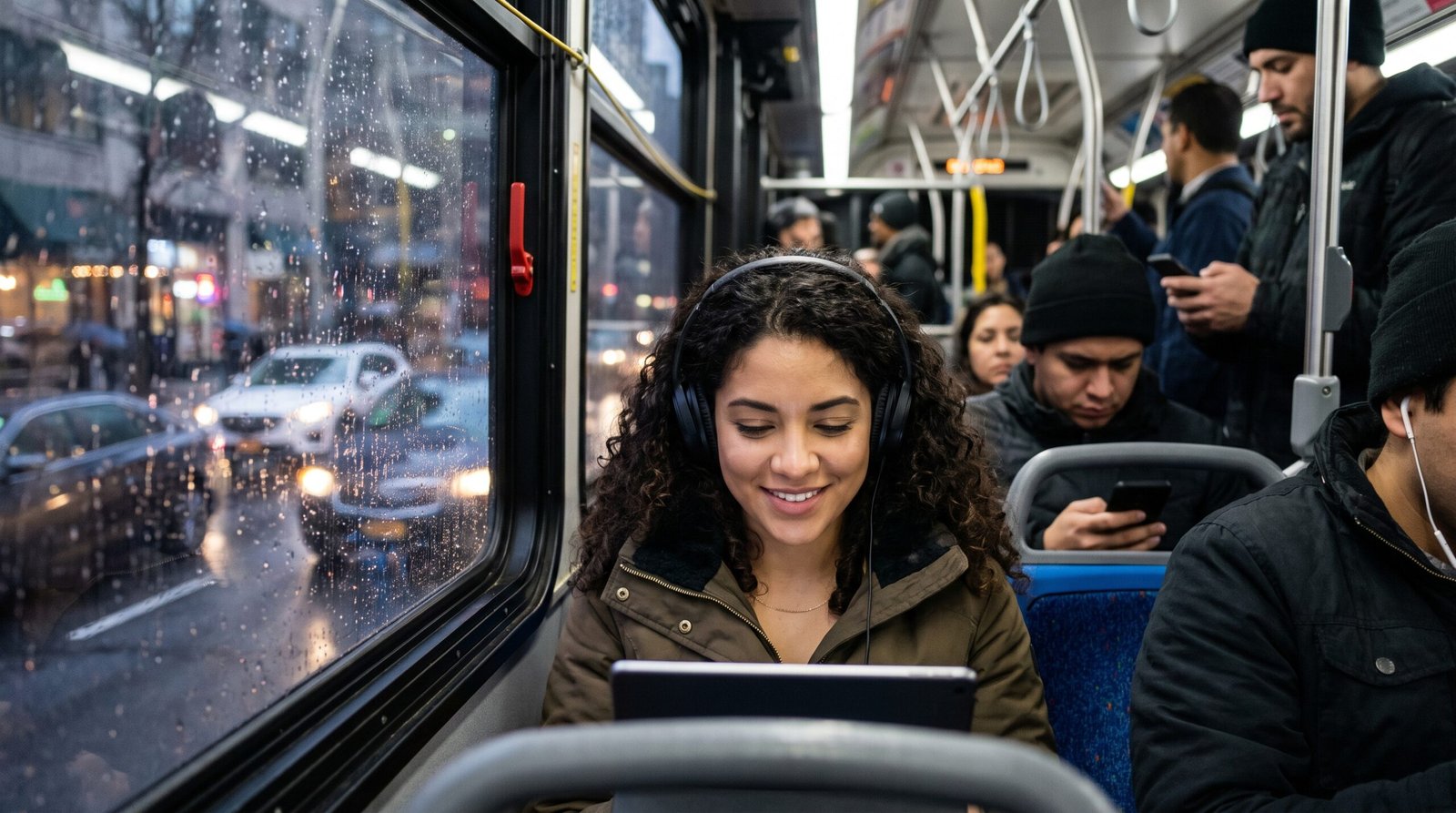
Automatic playback, endless feeds, notifications, and personalized recommendations can turn a few minutes of entertainment into an hour that vanished without permission. The challenge is no longer finding something to watch. It is deciding what deserves our attention.
That does not mean traditional television is headed for the museum. Live sports, major events, news, scripted programming, and professionally produced entertainment still command enormous attention. What has changed is where that programming lives. Television networks create content for social platforms. Streaming services produce major films and series. Social creators move into television, podcasts, documentaries, and other productions. The boundaries continue to blur.
Perhaps that is the real story of modern viewing. One form of entertainment did not simply replace another. Our choices multiplied.
Prime time once meant millions of people watching something at the same moment. Screen time means millions of people deciding what their moment will be. Both experiences have value, and both will continue evolving.
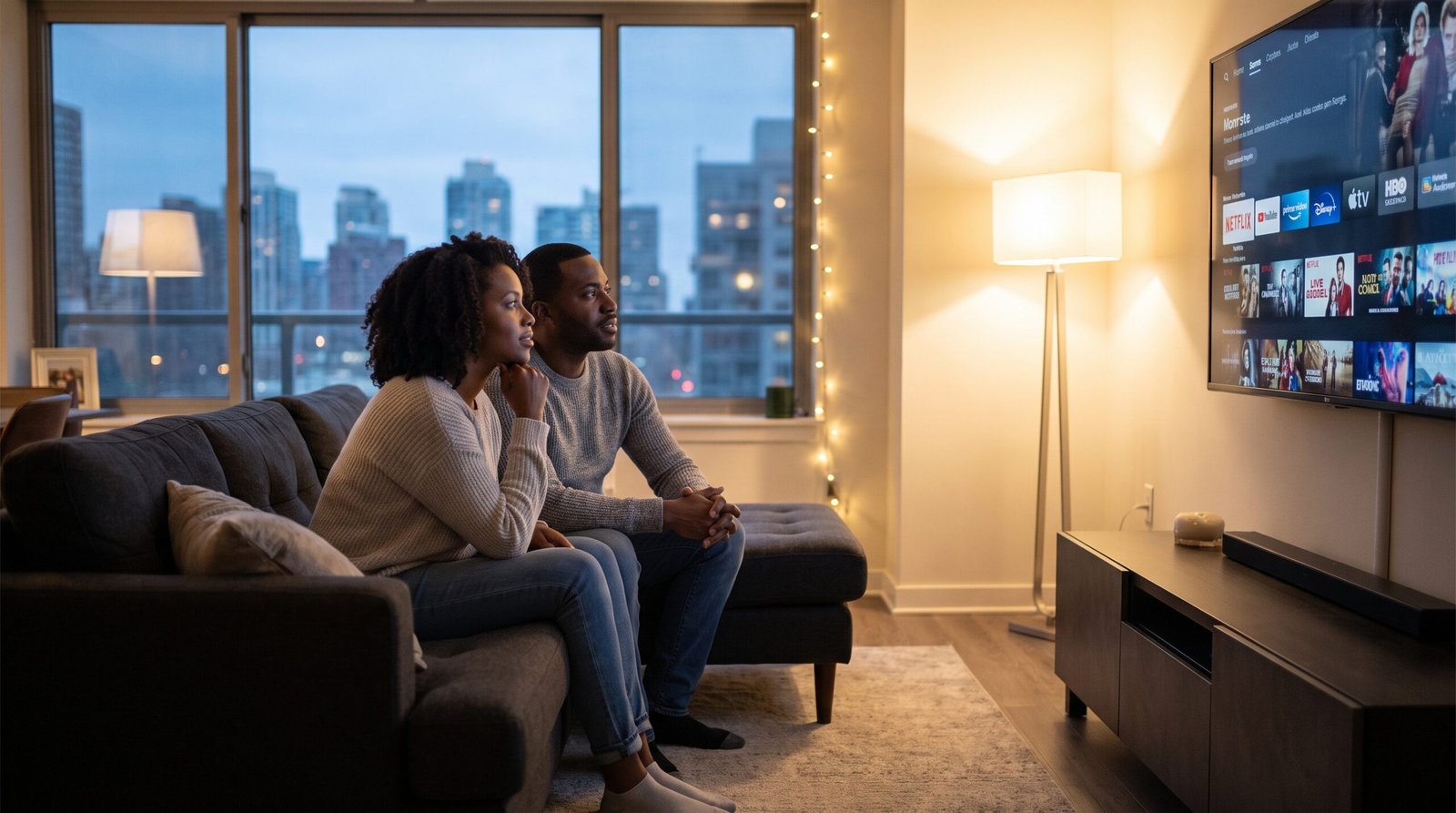
We have more stories, voices, platforms, and choices than ever before. The remote may no longer control the evening, but something more important has taken its place: the ability to decide what earns our time and attention. In a world where something is always playing, choosing wisely may be the most important viewing habit of all.
