


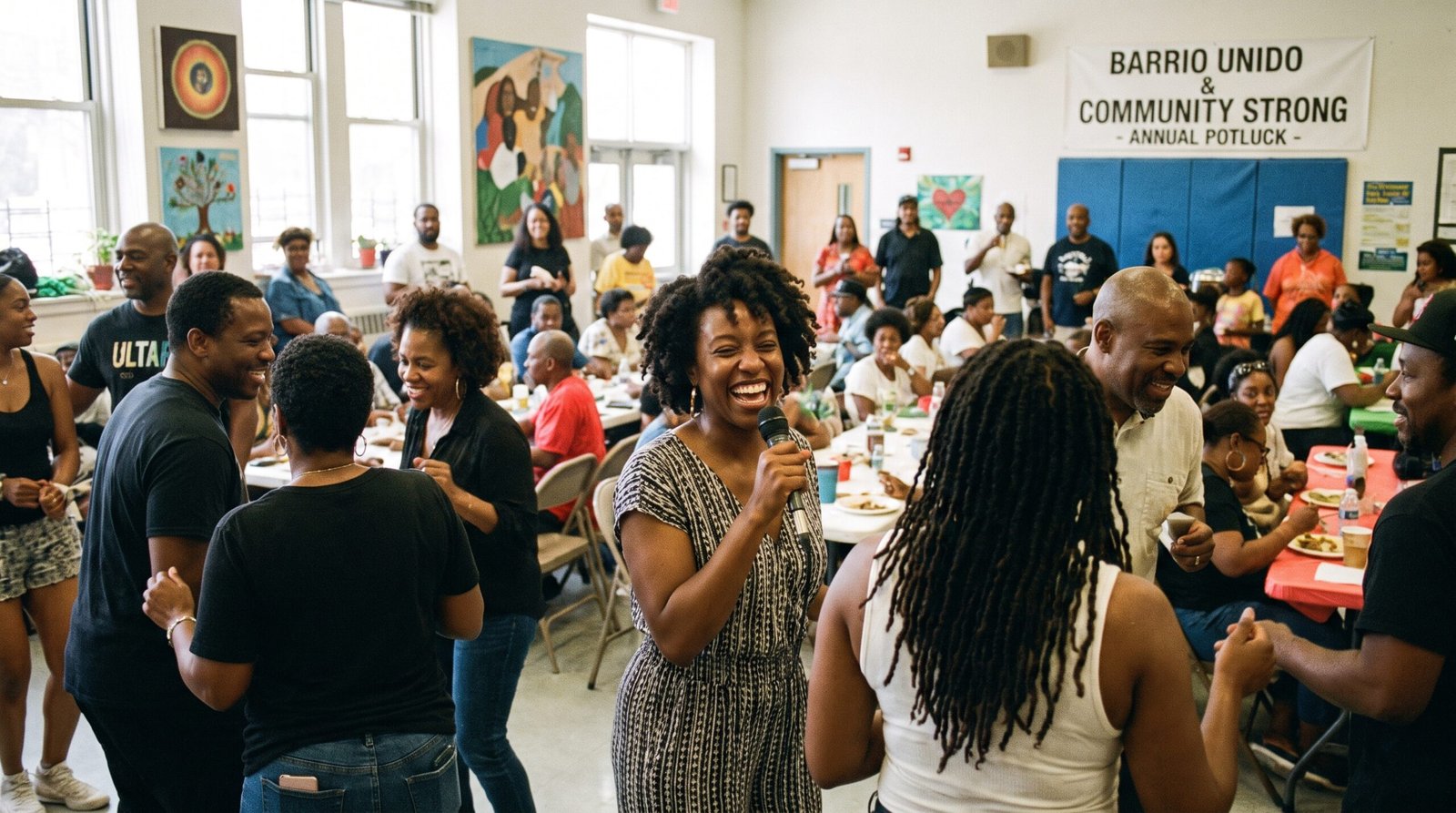
Before feeds became crowded with brands, videos, breaking news, and recommendations, Facebook had a much simpler appeal. You found people you knew. Old classmates resurfaced. Family members living across the country suddenly felt closer. Someone posted vacation pictures, another person changed their relationship status, and birthdays became nearly impossible to forget. What began as a social network eventually became something much larger: a digital gathering place for communities, businesses, families, events, and everyday commerce.
Facebook launched in 2004 as a college networking site created by Mark Zuckerberg and fellow Harvard students. Its early growth reflected a powerful idea that now seems ordinary: people wanted an online identity connected to their real relationships. As access expanded beyond colleges, Facebook became part of everyday life for millions of people around the world.
Its purpose has continued to evolve. Today, one of Facebook’s strongest features is Groups. Neighborhoods organize around local concerns. Parents exchange advice. Alumni reconnect. Car enthusiasts troubleshoot repairs. Travelers share recommendations. Professionals discuss industries, while hobbyists build communities around everything from gardening to photography. The value is not simply having people online. It is giving people with something in common a place to find one another.
That community strength also makes Facebook particularly useful for families. Relatives separated by cities, states, or countries can share milestones, photographs, celebrations, and everyday moments. Younger audiences may divide their attention among newer platforms, but Facebook continues to provide a familiar digital home for many families and communities across generations.
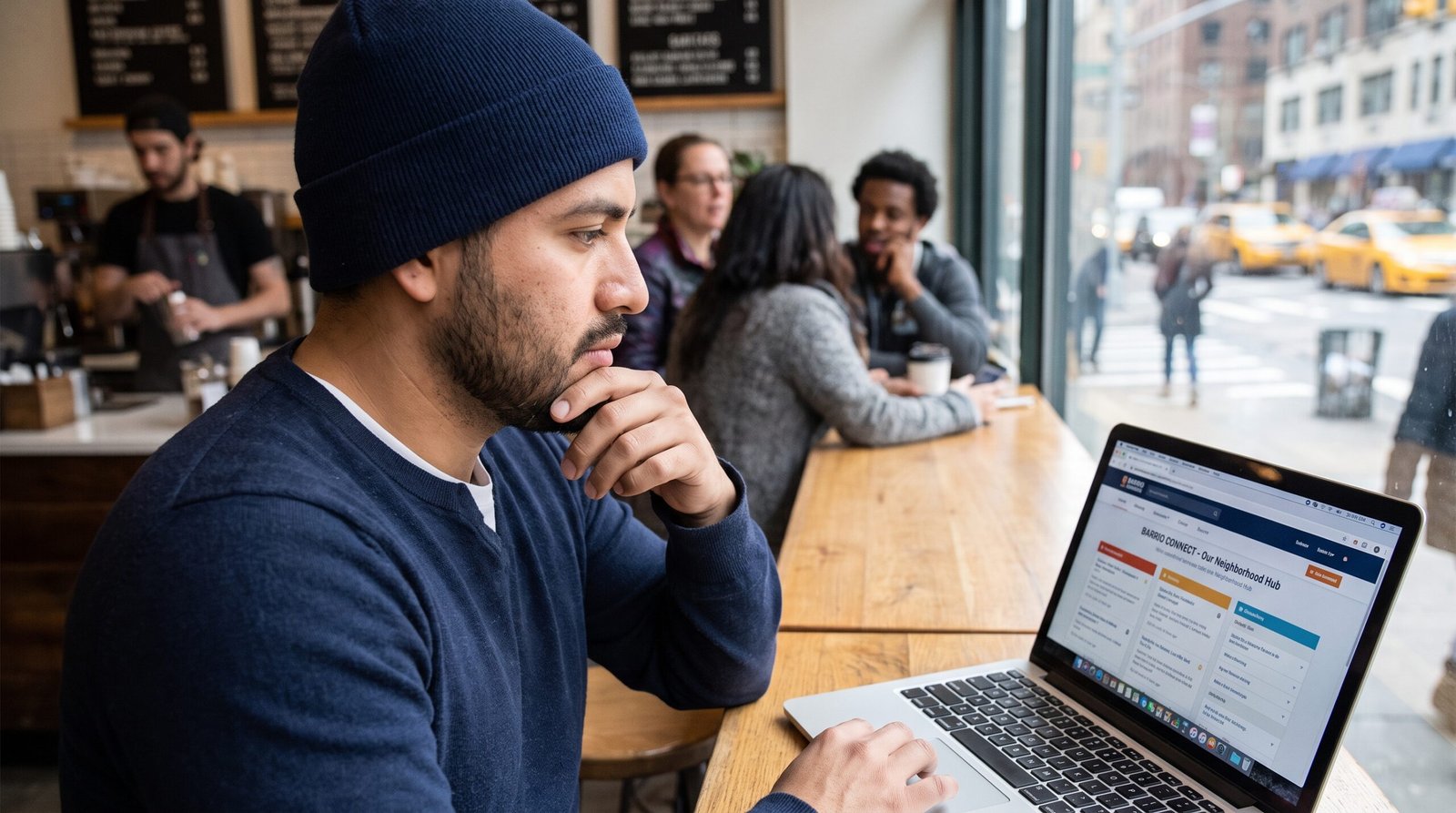
Marketplace added another dimension. Instead of only connecting people through conversation, Facebook began connecting buyers and sellers in their own communities. Furniture, cars, electronics, clothing, collectibles, and household items can move from one neighbor to another without requiring a traditional store. It transformed an old behavior, classified advertising, into something more immediate and social.
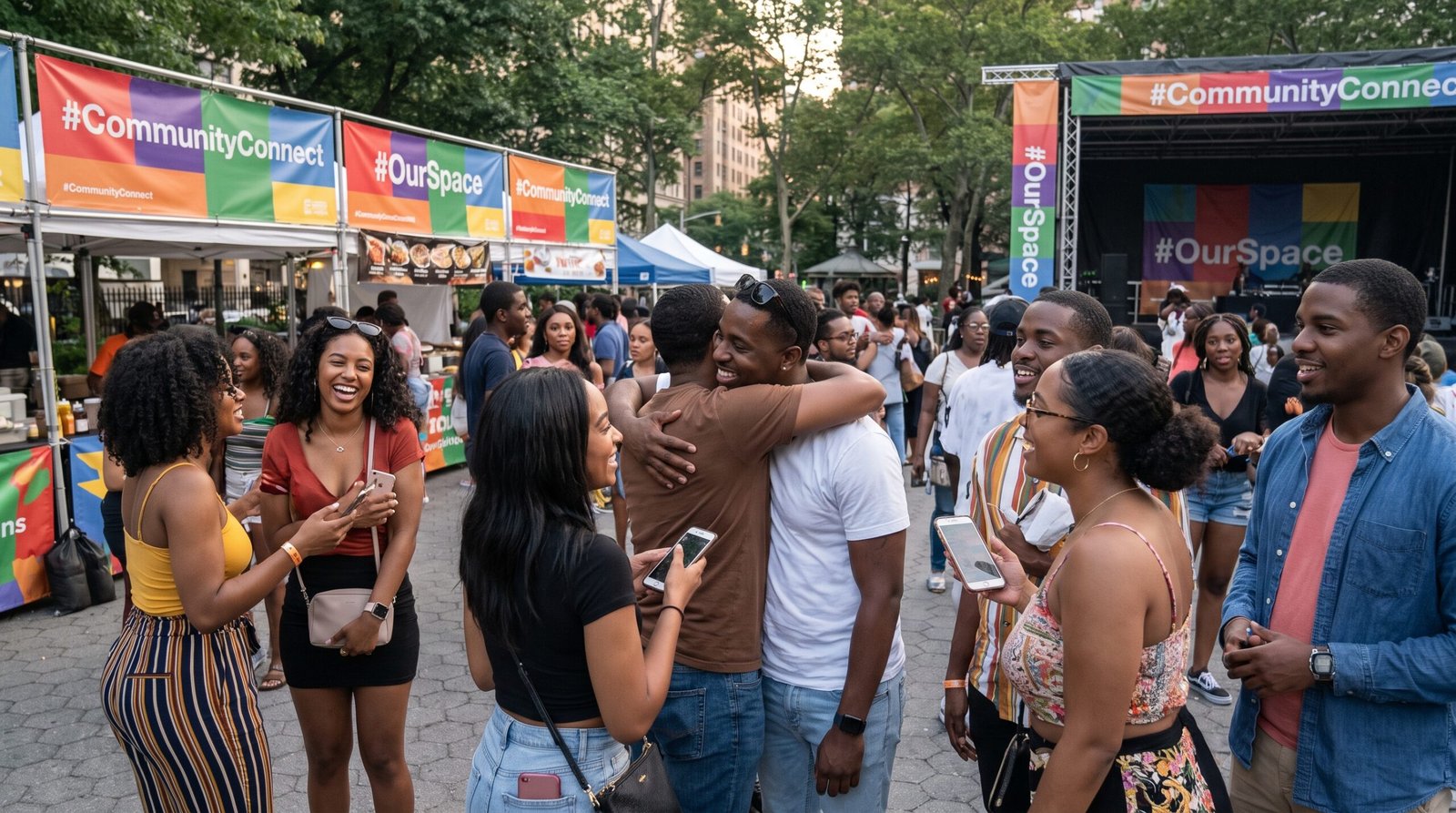
Events created a similar bridge between the digital and physical worlds. A community festival, reunion, concert, fundraiser, workshop, or birthday celebration can be discovered, shared, discussed, and organized in one place. In that sense, Facebook does something technology sometimes struggles to accomplish: it can use online connection to encourage people to actually show up somewhere offline.
Businesses found their place too. Facebook Pages gave local restaurants, entrepreneurs, nonprofit organizations, service providers, and major brands a direct channel to customers. A small business could announce new products, answer questions, share photographs, advertise locally, and build relationships without owning a sophisticated media operation. Social networking became part of modern marketing.
The company behind Facebook evolved as well. In 2021, Facebook’s parent company changed its name to Meta, reflecting ambitions that extended beyond one social network. The broader company expanded across social platforms and invested heavily in areas such as artificial intelligence, virtual experiences, messaging, and new forms of digital interaction. The transformation offers an interesting business lesson about longevity.
Successful companies rarely survive by protecting their original identity forever. They pay attention to changing behavior. Facebook began during the desktop internet era, adapted to smartphones, expanded into advertising and commerce, and became part of a much broader technology company. Not every transformation succeeds exactly as planned, but remaining relevant often requires the willingness to evolve before change becomes unavoidable.
That lesson applies beyond technology. A business can become known for one product while its greatest future opportunity emerges somewhere else. Leaders have to understand what customers value, which behaviors are changing, and what parts of the original mission are worth carrying into the next chapter.
Facebook may no longer be the newest social platform in the room, but newness was never its only value. Its lasting influence comes from helping people organize relationships, communities, commerce, businesses, and experiences online.

The technology will continue changing, and so will the way people use it. But the enduring opportunity remains surprisingly human. Give people useful ways to find one another, share what matters, build something together, and turn digital connections into relationships that have value beyond the screen.
