


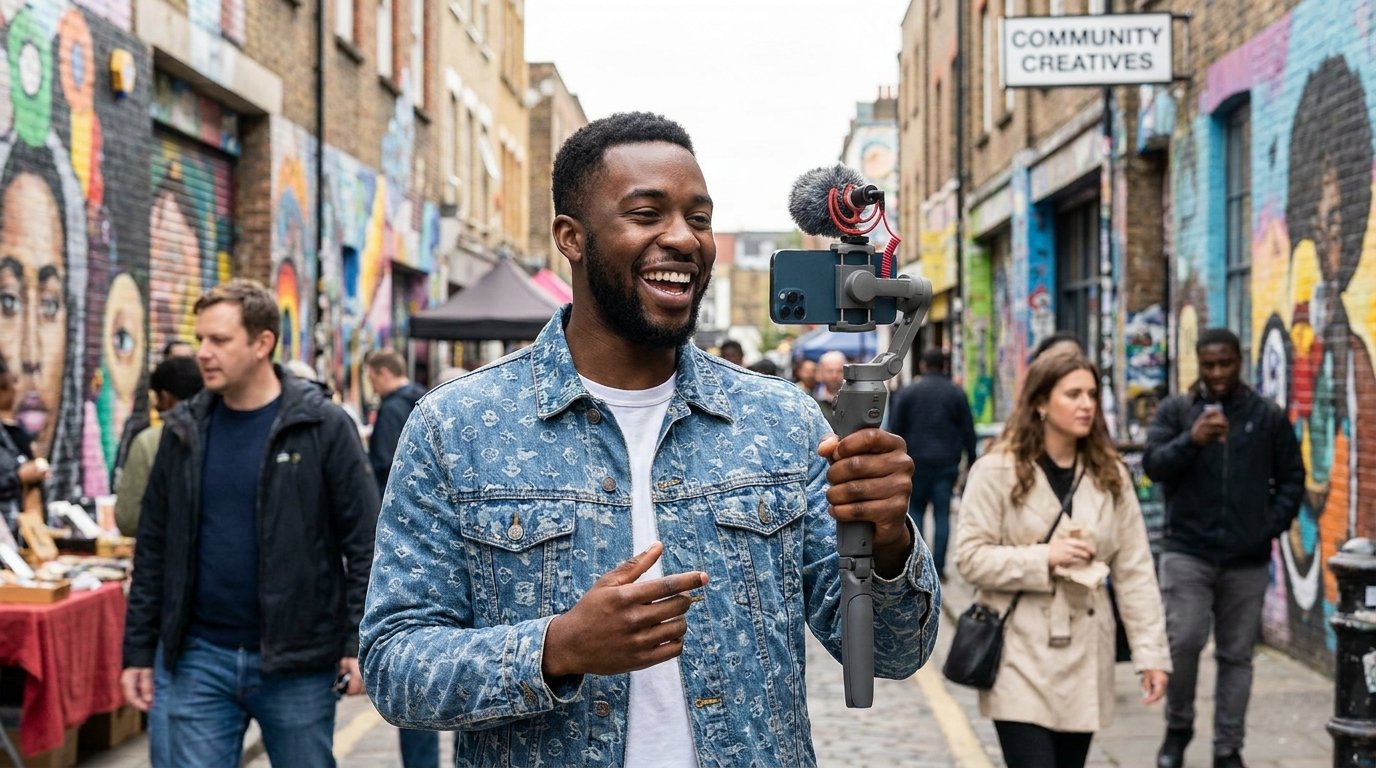
Not long ago, television told us when to show up. Thursday at eight meant your favorite show was on, Saturday morning belonged to cartoons, and missing an episode could leave you completely out of Monday’s conversation. Entertainment had a schedule, and audiences learned to live by it. Today, entertainment lives in our pockets, travels everywhere we go, and never really signs off.
The remote control has been replaced by the scroll.
Social media has changed more than where we watch. It has transformed who gets to create, how quickly something can become popular, and how much control audiences have over their entertainment. A television network might spend months developing a program. A creator with a smartphone can capture a moment this afternoon and have millions of people discussing it tonight.
That shift has opened a remarkable door for creativity. Comedians can build audiences without waiting for a television deal. Musicians can introduce new songs directly to listeners. Chefs can turn home kitchens into digital studios. Athletes, educators, artists, journalists, entrepreneurs, and everyday storytellers can develop communities around interests that traditional programming may have overlooked.
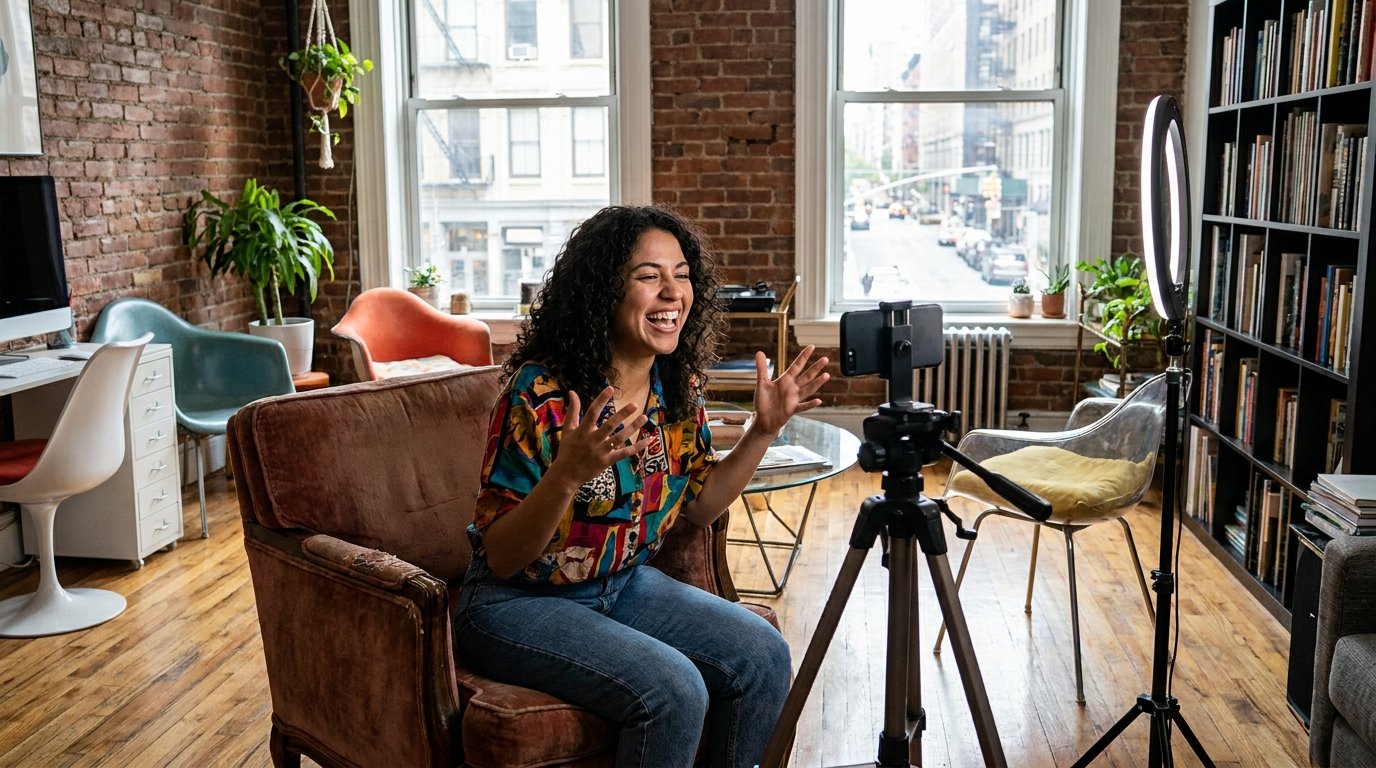
The result is an entertainment world with far more voices in the room.
Audiences have gained power too. Television traditionally offered a menu chosen by networks and programmers. Social media allows viewers to build their own. Someone interested in photography can move from camera tutorials to the work of emerging photographers. A sports fan can watch game analysis from former athletes. Someone curious about history, personal finance, fitness, fashion, science, or travel can find entire communities built around those interests.
Entertainment is no longer simply something we watch. We comment on it, share it, remix it, debate it, and sometimes become part of the story ourselves.
But unlimited choice comes with a price: our attention.
Social platforms are designed to keep content moving. One funny video becomes another. One interesting story leads to five more. A quick check can quietly become an hour of scrolling. When entertainment never ends, knowing when to stop becomes just as important as knowing what to watch.
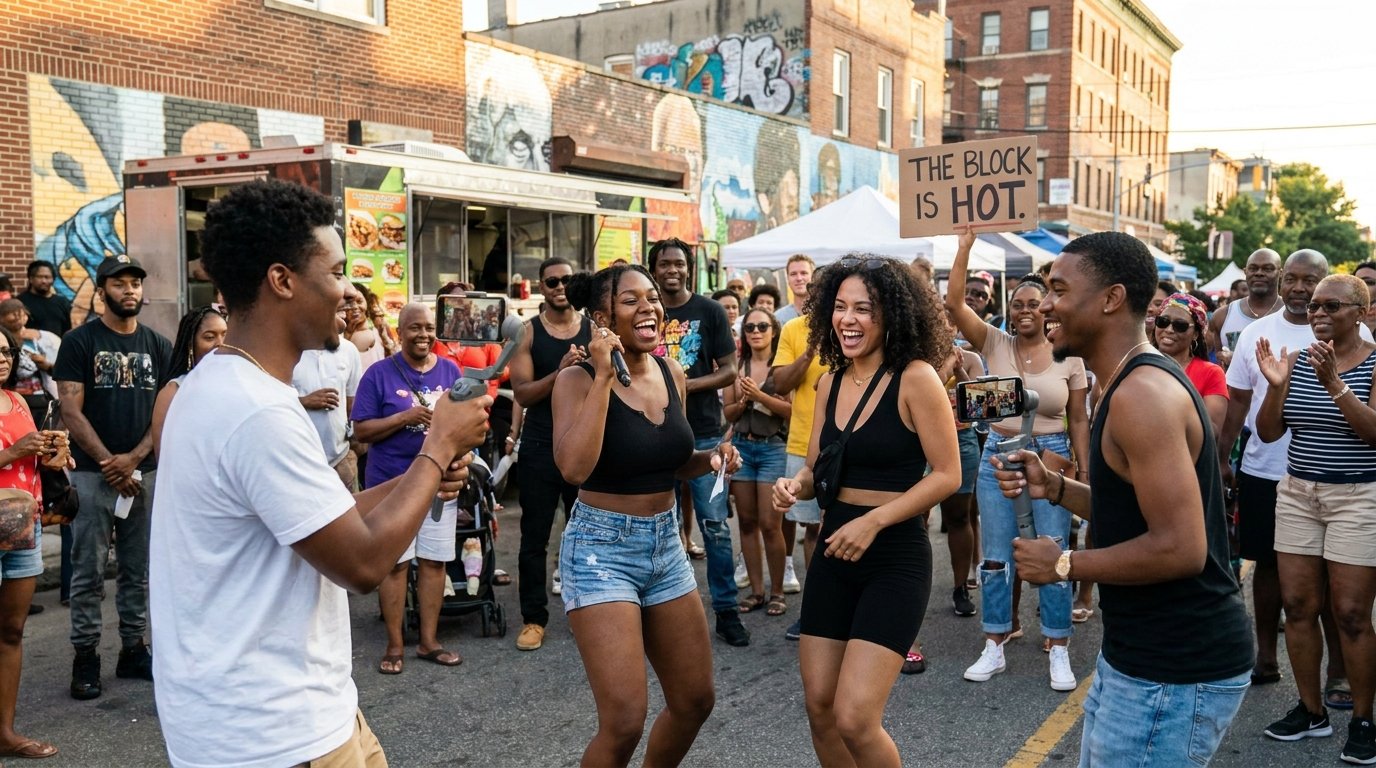
That makes digital awareness an essential part of modern entertainment. Not everything that attracts attention deserves it. Popularity does not automatically equal quality, and millions of views do not make information accurate. Social media has expanded access to incredible voices and ideas, but it has also made sensational content and misinformation easier to distribute. Viewers now carry more responsibility for deciding what deserves their trust.
Traditional television still has an important place in this changing landscape. Professional productions, live events, documentaries, news programs, scripted series, and major broadcasts continue to attract large audiences. What has changed is the boundary between traditional and digital entertainment. Television programs create social clips. Digital creators land television opportunities. Podcasts become video series. Viral personalities become mainstream celebrities. Stories increasingly move wherever audiences are willing to follow them.
That may be the most interesting part of this transformation. Social media did not simply create another channel. It challenged the idea of what a channel could be.
The future of entertainment will likely be a combination of television, streaming, social media, podcasts, live experiences, and formats still waiting to emerge. Audiences will move between them depending on the moment, the story, and the experience they want.
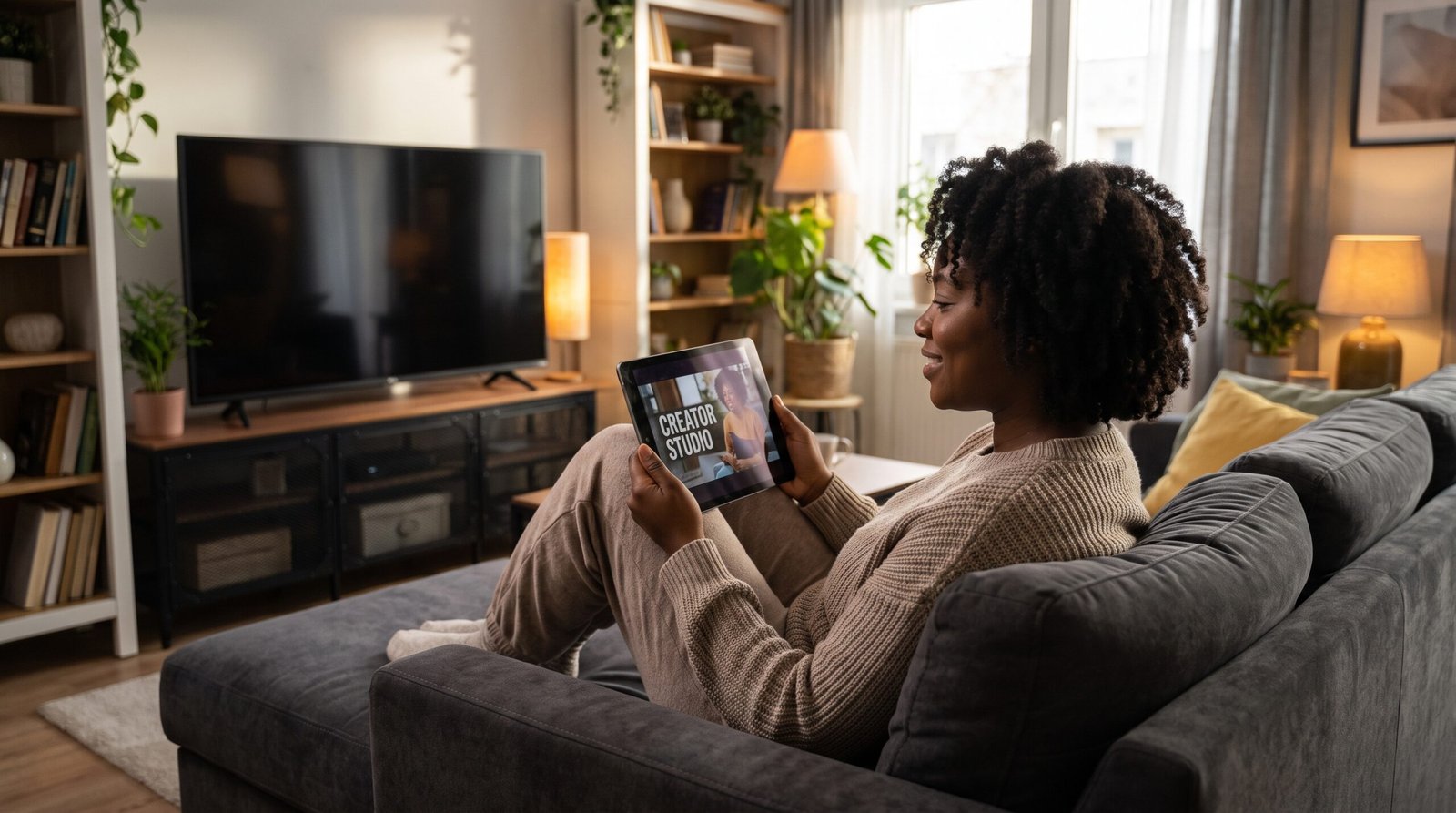
Changing the channel once meant reaching for the remote. Today, it means making a decision about where we place our attention. With more entertainment available than any generation before us could have imagined, the real power is no longer simply having something to watch. It is choosing what deserves our time.
