


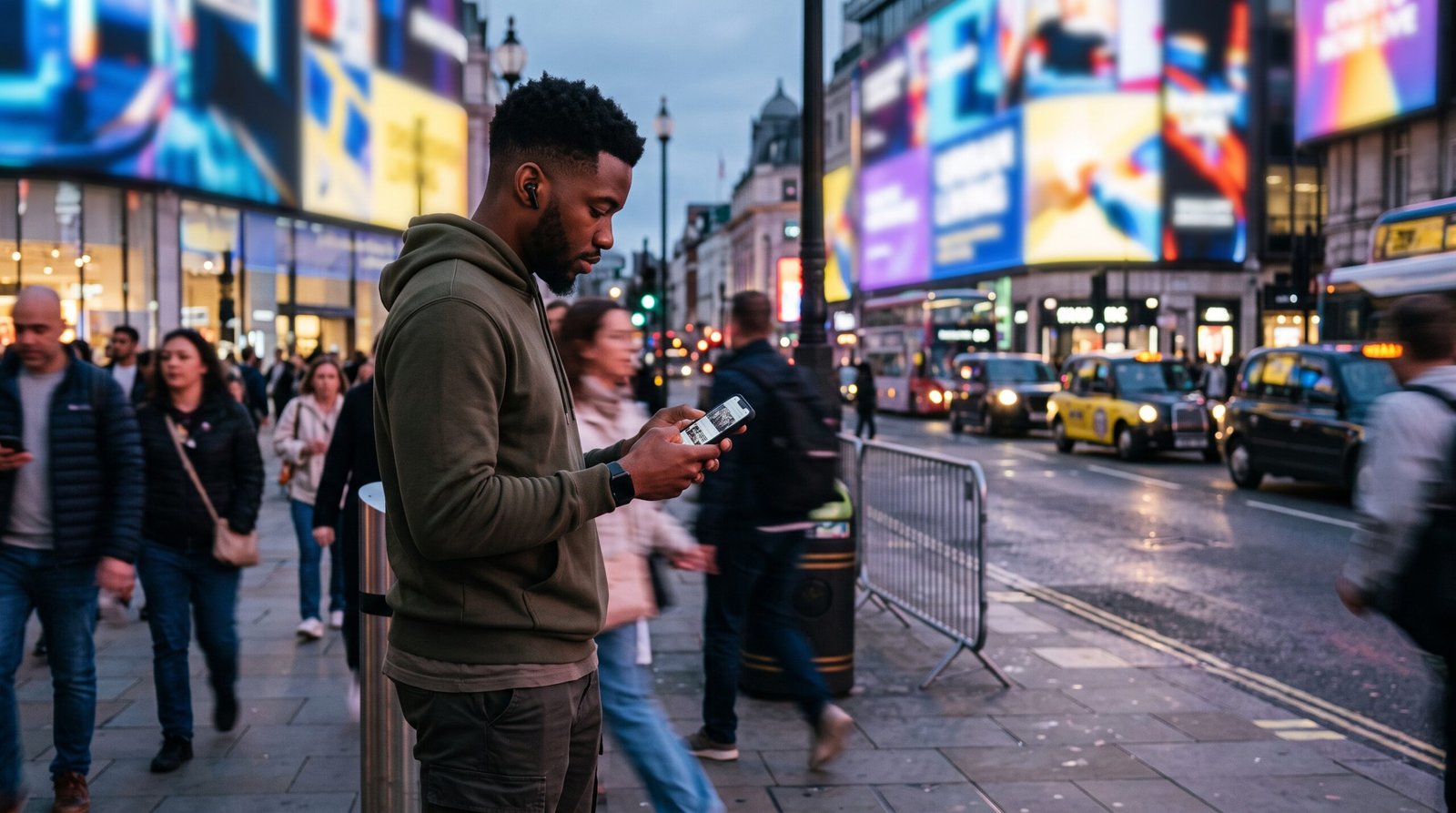
You watch one video about renovating a kitchen. Suddenly, your feed is filled with countertops, cabinet makeovers, home improvement tips, and people transforming houses you never knew existed. Search for a vacation destination, and travel deals begin appearing. Listen to a new artist, and your music app seems to know exactly what you might enjoy next. It can feel strangely intuitive, but there is something working behind the curtain: algorithms.
Algorithms have become quiet decision makers in our digital lives. In simple terms, an algorithm is a set of instructions that helps a system determine what to do next. Online, algorithms study signals from our activity to predict what might capture our attention. What we search, watch, like, share, purchase, skip, and sometimes how long we pause can help shape what appears next.
That can be incredibly useful. Without some form of organization, opening a streaming service would feel like walking into a library where every book had been dumped onto the floor. Algorithms help sort the enormous amount of digital content available and bring potentially relevant choices closer to us.
That is why your favorite streaming service recommends another series after you finish one. Online retailers suggest products based on previous purchases. Search engines organize billions of possible results. Social platforms decide which posts receive prime real estate on your feed. Algorithms save time by helping us navigate a digital world with more choices than any person could reasonably explore.
But convenience can quietly become influence.

Algorithms are generally good at learning what keeps us interested. If you repeatedly watch a particular type of content, the system may give you more of it. Engage with certain opinions, and similar viewpoints may appear more frequently. Spend time watching outrageous videos, and the system may interpret your attention as interest, even if you were watching because you disagreed.
That distinction matters. An algorithm cannot always tell the difference between “I love this” and “I cannot believe I am watching this.” Engagement is still engagement.
Over time, personalization can make our digital worlds feel smaller than they actually are. We may encounter the same subjects, perspectives, products, personalities, or ideas repeatedly, creating the impression that what appears in our feed represents what everyone is seeing. It does not.
This influence extends well beyond entertainment. Algorithms can shape which products we discover, which job postings we encounter, which news stories receive our attention, and which voices become prominent in online conversations. The first thing we see is not necessarily the most important thing. Sometimes it is simply what a system predicts will keep us engaged.
Understanding that gives us back some control.

Break the pattern occasionally. Search for something outside your usual interests. Read reporting from multiple credible sources. Follow people who bring different experiences and perspectives. When a recommendation seems unusually perfect, ask why it may have appeared. When something makes you immediately angry or excited, resist the impulse to share it before checking whether it is accurate.
Digital literacy today is not simply knowing how to operate technology. It is understanding that technology is also responding to us.
Platforms and technology companies carry responsibility too. As algorithms influence more decisions, transparency, fairness, and accountability become increasingly important. People deserve greater clarity about why content is recommended and how their information contributes to what they see.
Algorithms are not automatically good or bad. They are powerful tools that help organize an enormous digital world. They can introduce us to new music, new ideas, useful products, educational opportunities, and communities we might never have discovered otherwise.

Just remember that your feed is a selection, not the whole world. Let algorithms recommend the next video, song, or article. But never outsource your curiosity. Some of the most valuable things you discover may be the things no algorithm knew to show you.
