



Your social media feed can teach you how to cook dinner, improve your credit, prepare for an interview, repair a car, start a business, learn photography, understand investing, or waste forty five minutes watching videos you barely remember. The technology is largely the same. What changes is what you teach it to bring back to you.
Algorithms have earned a reputation for keeping us scrolling, and there is good reason for that. Digital platforms pay attention to what captures our interest and use those signals to recommend what comes next. Watch enough comedy clips, and more comedy appears. Spend time looking at sneakers, and sneakers begin following you around the internet. But the same system that learns what entertains you can also learn what you want to become better at.
That creates an opportunity most people underestimate. Instead of treating your feed as something that simply happens to you, start treating it as something you can influence. Search for subjects you genuinely want to understand. Follow knowledgeable people in fields that interest you. Save useful articles. Watch educational content through to completion. Subscribe to credible organizations and publications. Your digital behavior sends signals, and those signals can gradually reshape what technology places in front of you.
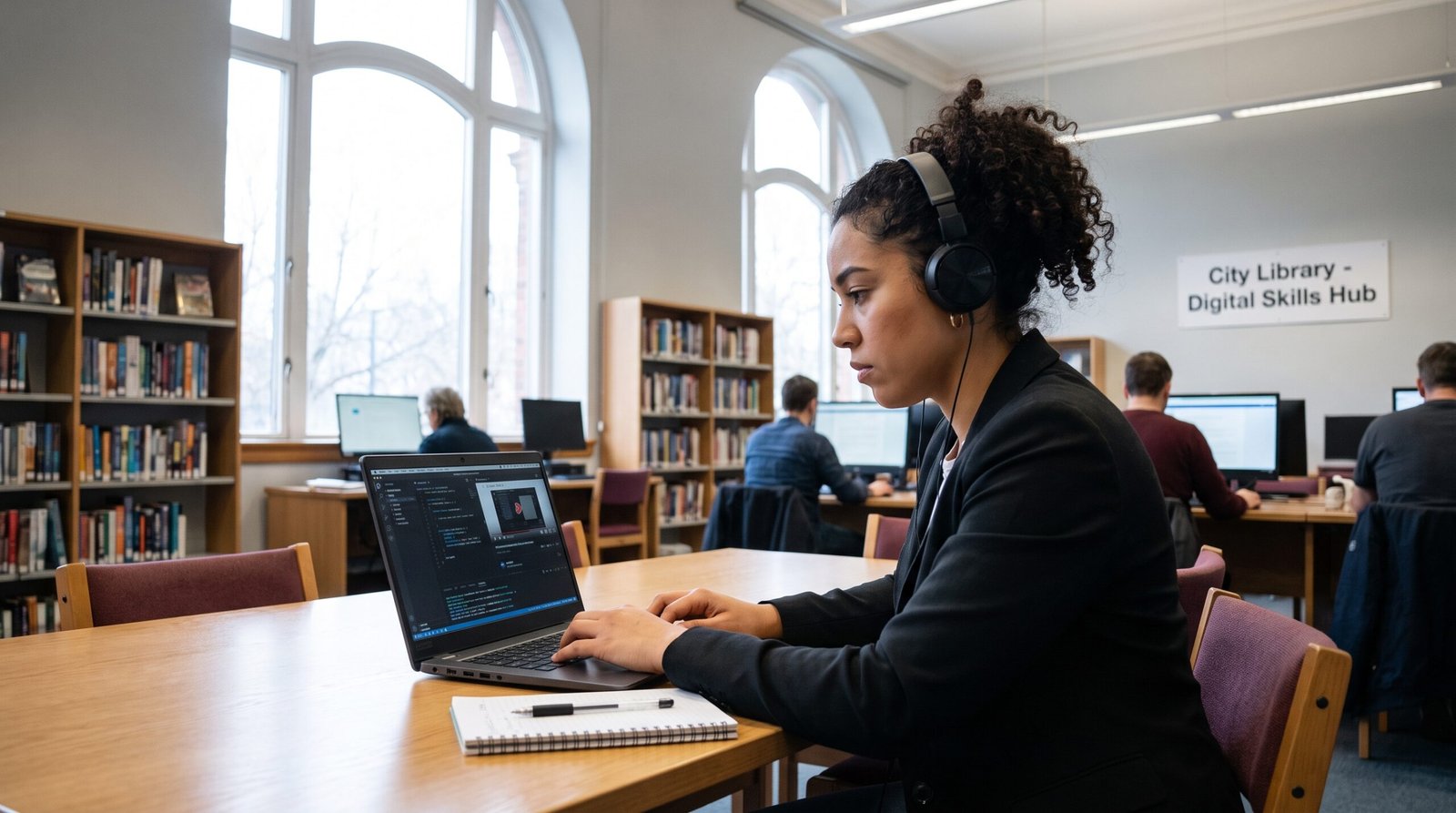
Think of it as training your feed with purpose. A student interested in engineering can begin exploring robotics, mathematics, design, and emerging technology. Someone considering a career change can follow professionals in a new industry, learn about certifications, and discover skills employers are seeking. An aspiring entrepreneur can fill more of a feed with business strategy, financial education, marketing ideas, and stories from people who have built companies.
The transformation does not happen overnight, but neither does personal growth. Small choices accumulate.
This is where the difference between consuming and learning becomes important. Consuming asks, “What is next?” Learning asks, “What can I take from this?” You can watch twenty videos about entrepreneurship and still never start anything. You can save fifty financial tips and never create a budget. You can follow every motivational account on the internet and remain exactly where you started. Information becomes valuable when something happens after you receive it.
Try giving your digital learning an assignment. If you watch a useful tutorial, practice what you learned. If you discover a book, add it to your reading list. If someone explains a career opportunity you have never considered, research the qualifications. If a business idea sparks your interest, write it down and explore whether it solves a real problem. Turn the scroll into a starting point instead of a destination.

At the same time, do not allow an algorithm to become your only teacher. Recommendation systems usually learn from what you have already shown interest in, which can keep you circling familiar territory. Read books. Visit credible websites directly. Talk with people who know more than you do. Explore perspectives outside your usual interests. Some of the best opportunities begin with subjects you did not know enough about to search for.
There is also nothing wrong with using technology purely for entertainment. Laugh at the video. Watch the highlights. Enjoy the music. Relaxation has value. The goal is not to turn every scroll into homework. It is to make sure entertainment is not consuming all the digital space where learning, creativity, and opportunity could live.
Your feed will never completely control your future, but it can influence what enters your field of vision. That makes every search, follow, subscription, and click a small vote for what you want more of.
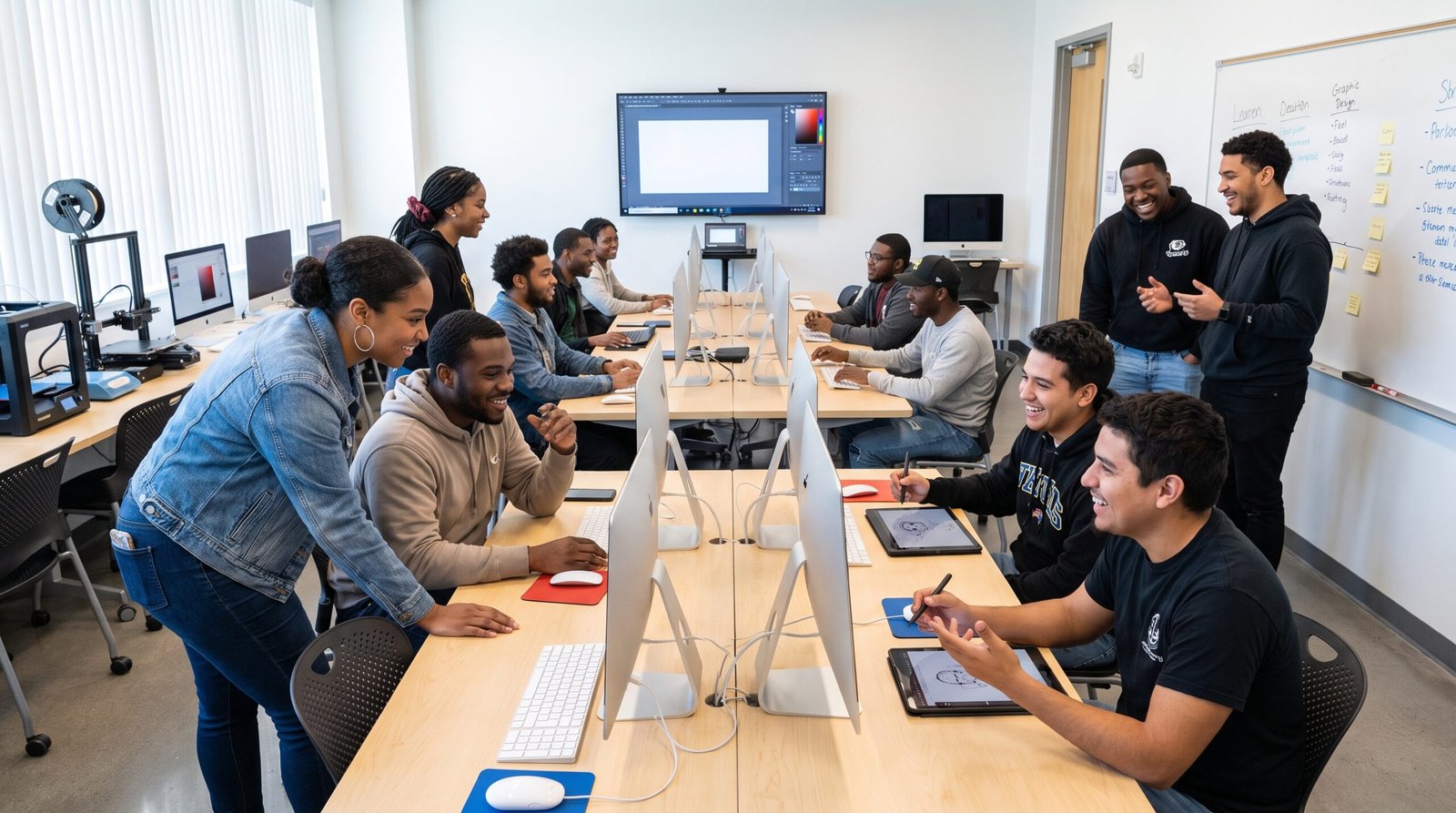
Algorithms are paying attention to what captures your attention. Give them something worthwhile to learn. With a little intention, the same technology designed to keep you watching can become technology that keeps you growing.
