



We have become wonderfully impatient. We want directions before we leave the driveway, dinner delivered without making a phone call, our favorite shows waiting when we sit down, and our phones to remember passwords we forgot years ago. Technology has made everyday life remarkably convenient. But behind many of those effortless moments is an exchange most of us rarely stop to consider. We receive convenience, and often, we provide information in return.
That exchange is not automatically a bad deal. The question is whether we understand what we are giving up and whether the convenience is worth it.
Think about the applications you use every day. Navigation services need location information to help you avoid traffic. Streaming platforms study viewing habits to recommend what you might enjoy next. Online retailers remember purchases to make shopping faster. Digital assistants learn routines so they can provide reminders at useful moments. Personal information helps technology feel less generic and more responsive to our individual lives.
The problem begins when convenience turns into autopilot.

It is easy to tap “Allow” when an application requests access to your location, contacts, photographs, camera, or microphone. Most of us want to get past the permission screen and get to whatever we downloaded the application to do. But taking a few seconds to ask why a flashlight application needs your location or why a simple game wants access to your contacts can reveal when the exchange no longer makes sense.
Finding balance does not require abandoning technology. It requires using it with intention.
Start with a simple question: Does this service need this information to give me the experience I want? If the answer is yes, sharing may be a reasonable choice. If the connection is unclear, consider limiting the permission. Many devices now allow users to share location only while using an application, select which photographs can be accessed, and control whether activity can be tracked across other services.
Those small choices matter because personal information has value. Your searches, purchases, interests, routines, and locations can help companies understand what you might want next. That information can improve products and create useful experiences, but it can also influence advertising and shape the content placed in front of you. Recognizing that value changes the conversation. You are not simply clicking buttons. You are making decisions about access.

Good digital habits can make those decisions easier. Review privacy settings occasionally. Remove applications you no longer use. Create strong passwords for important accounts and enable multifactor authentication when available. Pay attention when familiar services update their privacy choices. These steps do not make technology less convenient. They make your participation more intentional.
Companies have a role in maintaining that balance too. People should not need a law degree and an afternoon of free time to understand how their information is being used. Organizations that explain their practices clearly and give customers meaningful choices demonstrate that privacy and innovation do not have to work against each other.
This balance will become even more important as artificial intelligence, smart devices, connected vehicles, digital assistants, and personalized services become more integrated into daily life. The technology around us will know more because knowing more allows it to do more.
Privacy and convenience do not have to be opponents fighting for control of our digital lives. We can enjoy technology without automatically giving every service access to everything. We can appreciate personalization while still setting boundaries.
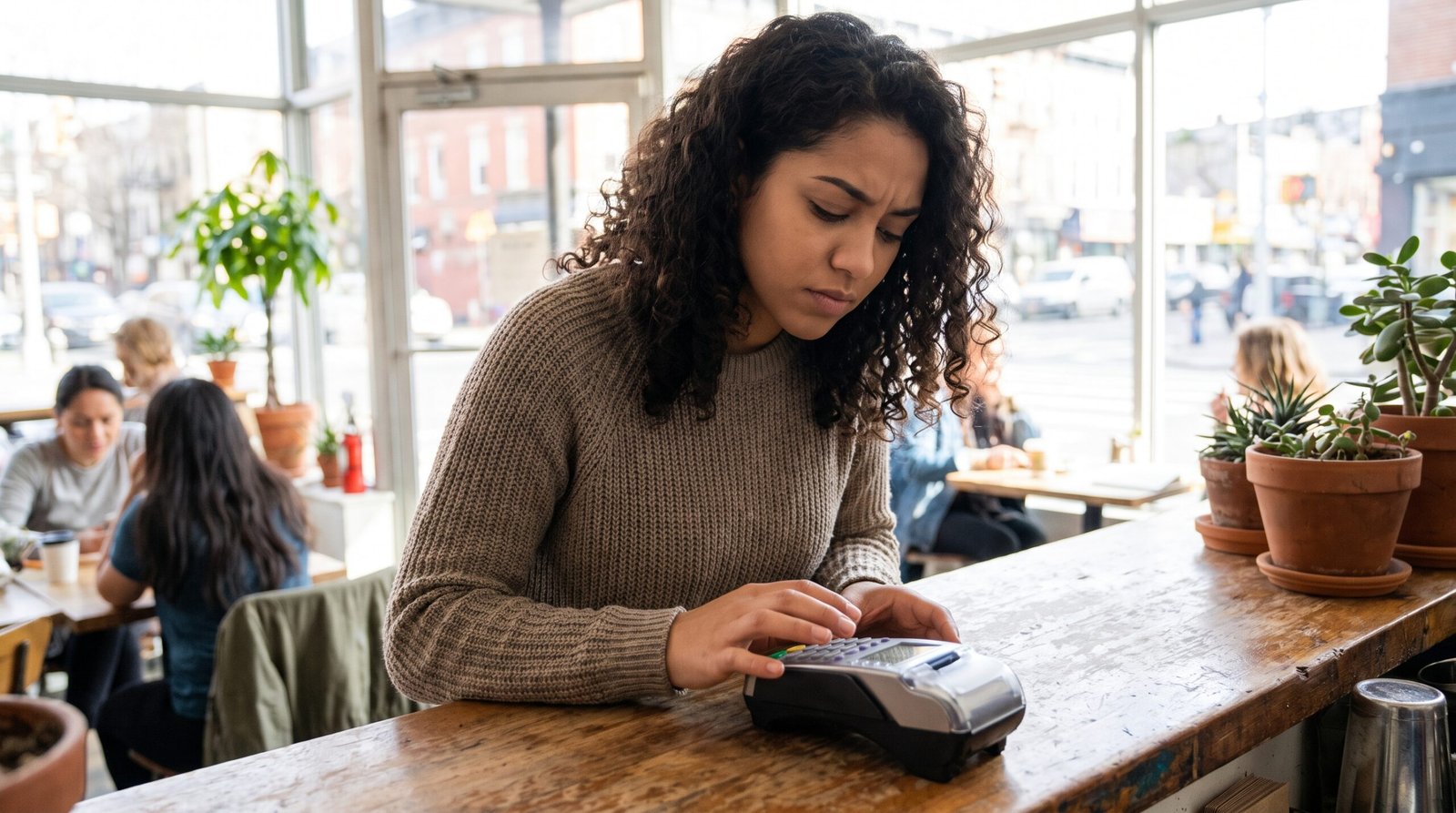
Convenience should make life easier, not make our choices invisible. The goal is not to share nothing. It is to understand what we are sharing, why we are sharing it, and what we receive in return. When those decisions become intentional, technology remains what it should be: a tool that works for us, with boundaries we choose.
