



Pick up your phone to answer one text, and twenty minutes later you are watching a video you never searched for, reading comments from people you do not know, and wondering why you opened your phone in the first place. It happens quickly because today’s technology is exceptionally good at keeping our attention. The challenge is making sure we are equally good at deciding where that attention goes.
Screen time has become part of modern life. We work on screens, learn from them, create with them, shop through them, communicate on them, and use them for entertainment. That makes the familiar question, “How much screen time is too much?” a little too simple. Three hours spent building a business, completing an online course, editing photographs, or talking with distant family members is not the same as three hours disappearing into an endless scroll.
The better question is: What did your screen time give you?
Purpose changes the answer. A phone can become a classroom when you are learning a language. A laptop can become a creative studio when you are designing something. A tablet can become a business tool when you are building a presentation or researching an idea. The same devices can also become remarkably efficient time consumers when we open them without knowing what we came to do.
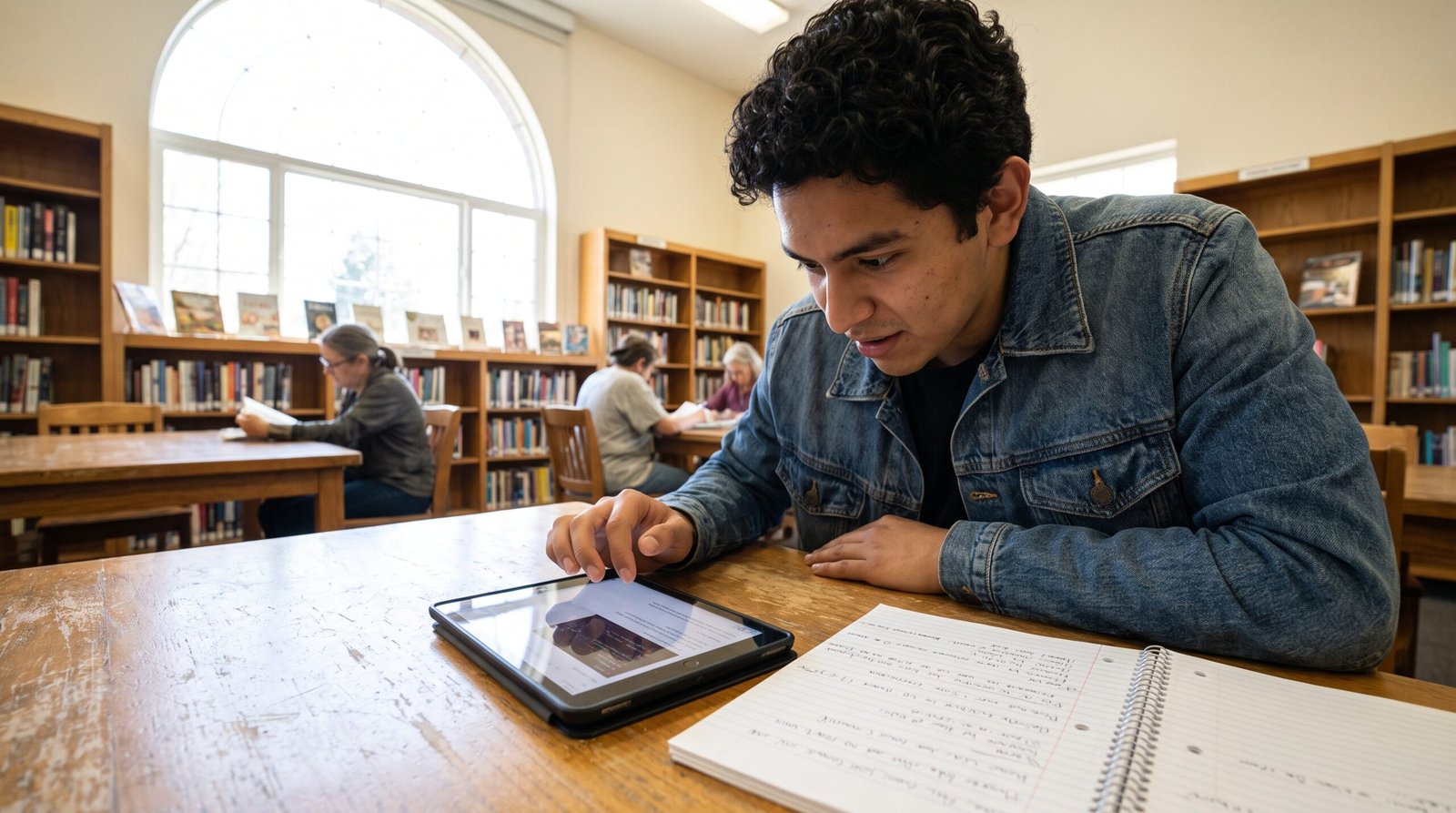
That is why intentional technology use starts before the first click. Know your purpose. Are you checking an important message, researching something, completing a task, connecting with someone, or simply relaxing? There is nothing wrong with entertainment. Rest and laughter have value too. The important part is making the choice instead of allowing the next notification, recommendation, or video to make it for you.
This matters because our attention is valuable. Social platforms, applications, advertisers, streaming services, and websites all compete for it. Notifications invite us back. Recommendations offer one more thing to watch. Automatic playback removes the decision to continue. Understanding how easily attention can be redirected helps us become more deliberate about where we place it.
Fortunately, technology also offers extraordinary opportunities to turn screen time into growth time. Someone can learn photography from a kitchen table, explore a new career from a smartphone, build a business from a laptop, study another language during a commute, or use artificial intelligence to develop an idea that once seemed beyond reach. Knowledge that previously required access to particular schools, experts, or resources is now available to millions of people within seconds.
The opportunity is enormous, but opportunity still requires action.
Consider giving some of your screen time a job. Use thirty minutes to learn something that advances your career. Organize your finances. Research an investment concept you have been curious about. Explore a creative interest. Connect with someone who inspires you professionally. Start the project that has been sitting in your notes for six months. Small periods of purposeful digital activity can accumulate into meaningful progress.

Boundaries help too. Turn off notifications that interrupt more than they inform. Protect focused work from unnecessary digital distractions. Put the phone away when someone deserves your full attention. Give yourself permission to enjoy a meal, conversation, workout, or quiet moment without documenting it.
Using technology with purpose does not mean every minute online must become productive. Sometimes you should watch the funny video, play the game, or scroll through vacation photos. Balance includes enjoyment.
The goal is simply to remain the person making the decisions.
Technology can educate you, connect you, entertain you, and help you create opportunities that previous generations never had. But the greatest value of screen time is not measured by how long you stayed connected. It is measured by what you learned, created, strengthened, enjoyed, or accomplished because you were.

Your screen is a powerful tool. Give it a purpose before it gives your time one.
