



Today’s young people can learn a new language from their bedroom, build a business from a smartphone, collaborate with someone across the world, and find an answer to almost any question in seconds. They are growing up with access to opportunities previous generations could barely conceive. But having the world at your fingertips also means learning how to navigate everything that comes with it.
Digital safety cannot simply be a list of warnings about what young people should not do. Do not talk to strangers. Do not share your password. Do not click suspicious links. Those lessons matter, but they are only the beginning. The bigger goal is teaching young people how to think for themselves online.
That starts with helping them understand that everything on a screen deserves a second look. A video with millions of views can still contain false information. A popular opinion is not automatically a fact. A photograph may have been altered. A convincing message may not come from the person it claims to represent. With artificial intelligence making digital content easier to create and manipulate, healthy skepticism is becoming an essential life skill.
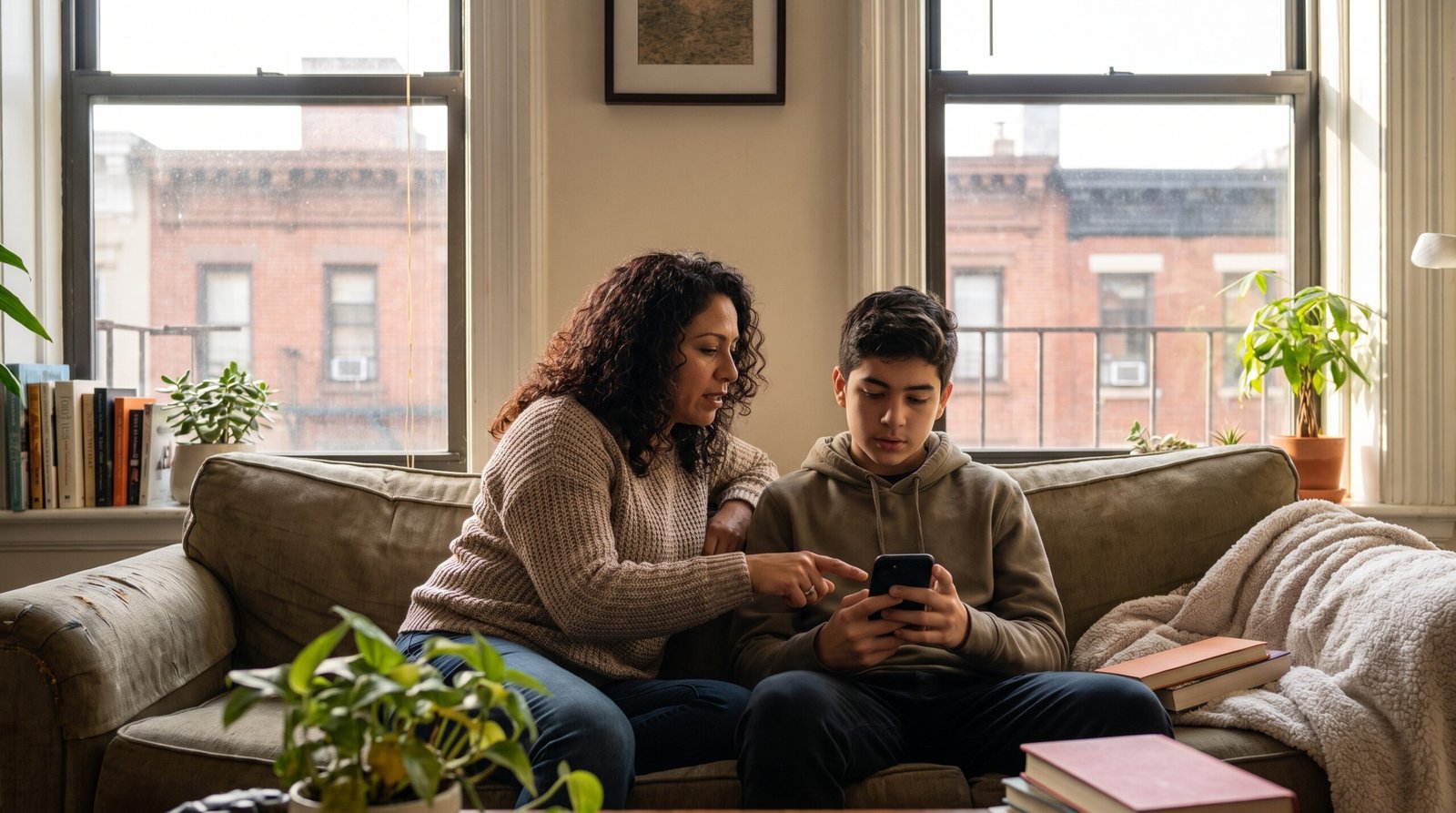
Instead of simply telling young people what to believe, teach them what to question. Who created this? Where did the information come from? Is another reliable source reporting the same thing? Why might someone want me to click, share, buy, or react? Those simple questions can turn a passive consumer into a thoughtful digital citizen.
The same approach should guide conversations about social media. Young people need to understand that what they post can travel beyond the audience they intended. A joke between friends, an angry comment, an embarrassing video, or an impulsive photograph can take on a different meaning when removed from its original context. Teaching them to pause before posting is not about making them afraid to express themselves. It is about helping them recognize that digital choices can have real consequences.
Privacy should become part of that conversation early. Young people need to know why strong passwords matter, why sharing their location deserves thought, and why every application does not need access to their camera, contacts, photographs, or personal information. These lessons become much easier to understand when privacy is presented as ownership. Your information belongs to you, so treat access to it as something valuable.
Adults also need to create an environment where young people feel comfortable speaking up when something online feels wrong. A child who fears losing phone privileges may hide an uncomfortable interaction. A teenager who expects immediate criticism may stay quiet about cyberbullying or a suspicious message. Listening first gives adults the opportunity to understand what happened, address the problem, and teach better decision making.
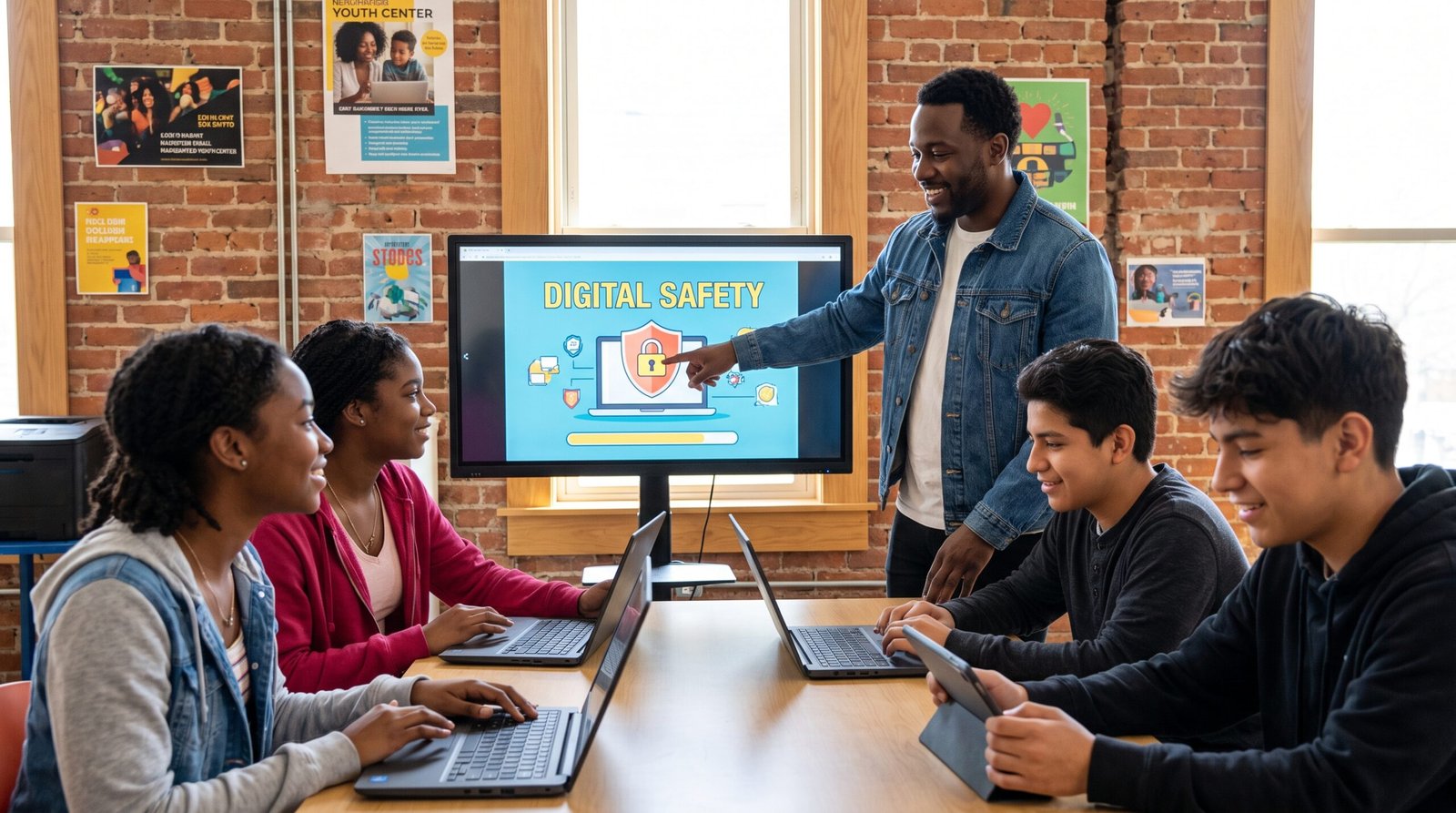
Digital wellness matters too. Social media can make popularity appear measurable and other people’s lives look unusually perfect. Young people need reminders that a feed is not a full life story. Confidence should not depend on likes, views, followers, or comments. Knowing when to disconnect, enjoy offline friendships, pursue interests, and simply experience a moment without posting it is part of growing up digitally healthy.
Perhaps the most powerful lesson, however, comes from watching adults. Young people notice when parents check phones during conversations. They see what adults share online and how they respond to disagreement. They notice whether someone verifies a story before forwarding it. Digital responsibility is taught through behavior as much as conversation.
The next generation does not need adults to fear technology for them. They need adults who can help them understand it.
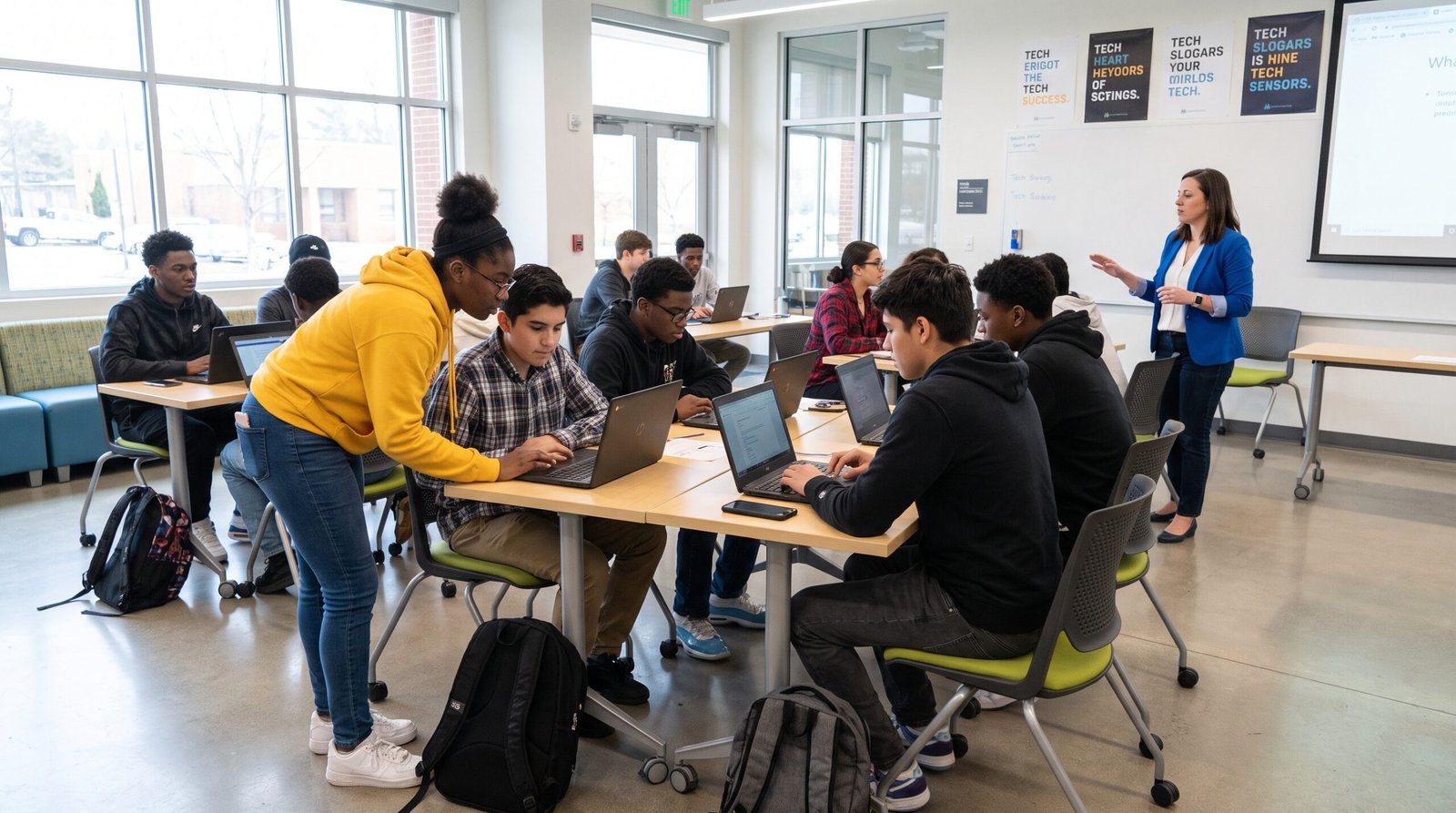
Our responsibility is not to build walls around the digital world. It is to give young people a compass for navigating it. Teach them to question what they see, protect what belongs to them, respect others, ask for help, and know when to put the screen down. Those skills will prepare them not only to use technology safely, but to become thoughtful people in a world where their digital and everyday lives are increasingly connected.
