


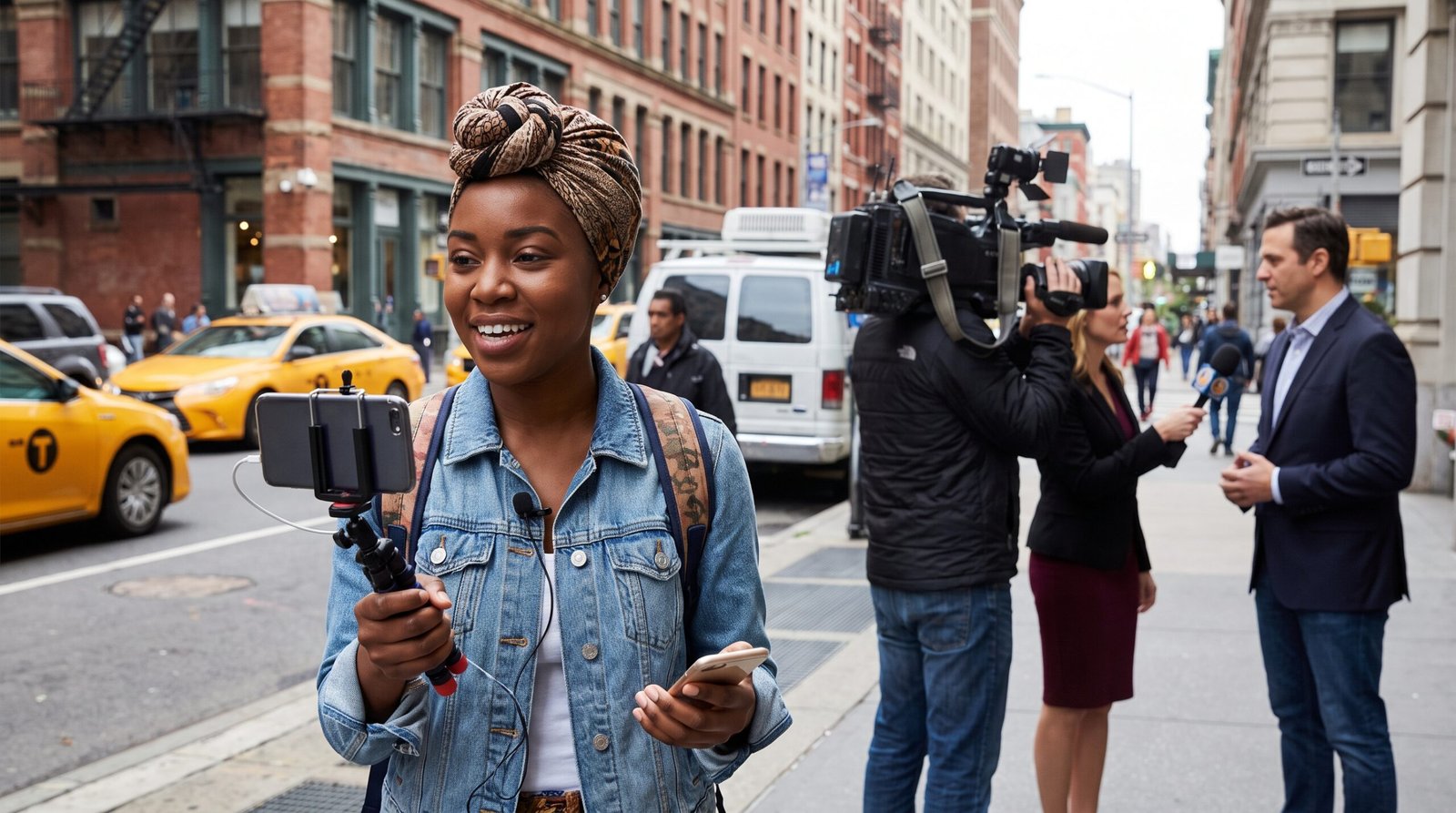
There was a time when getting your story in front of millions of people required more than a good idea. You needed access. A television studio, production team, network executive, publisher, or broadcaster often stood between the storyteller and the audience. Today, someone can pick up a smartphone, press record, and introduce an idea to the world before lunch. Storytelling has not simply changed platforms. The list of people invited to tell the story has grown.
For generations, broadcasters held an enormous responsibility. Television networks, radio stations, newspapers, and major media organizations decided which stories received attention and how those stories were presented. They built professional systems around journalism, entertainment, documentaries, interviews, sports, and live events. Experienced reporters, producers, editors, researchers, and technical teams brought structure and resources to the process.
Then digital platforms opened another door.
Suddenly, a chef did not need a cooking show to build an audience. A financial educator could explain budgeting from a home office. A comedian could develop a following without waiting for a television audition. Historians, musicians, photographers, athletes, entrepreneurs, teachers, and community voices could speak directly to people interested in what they had to say.
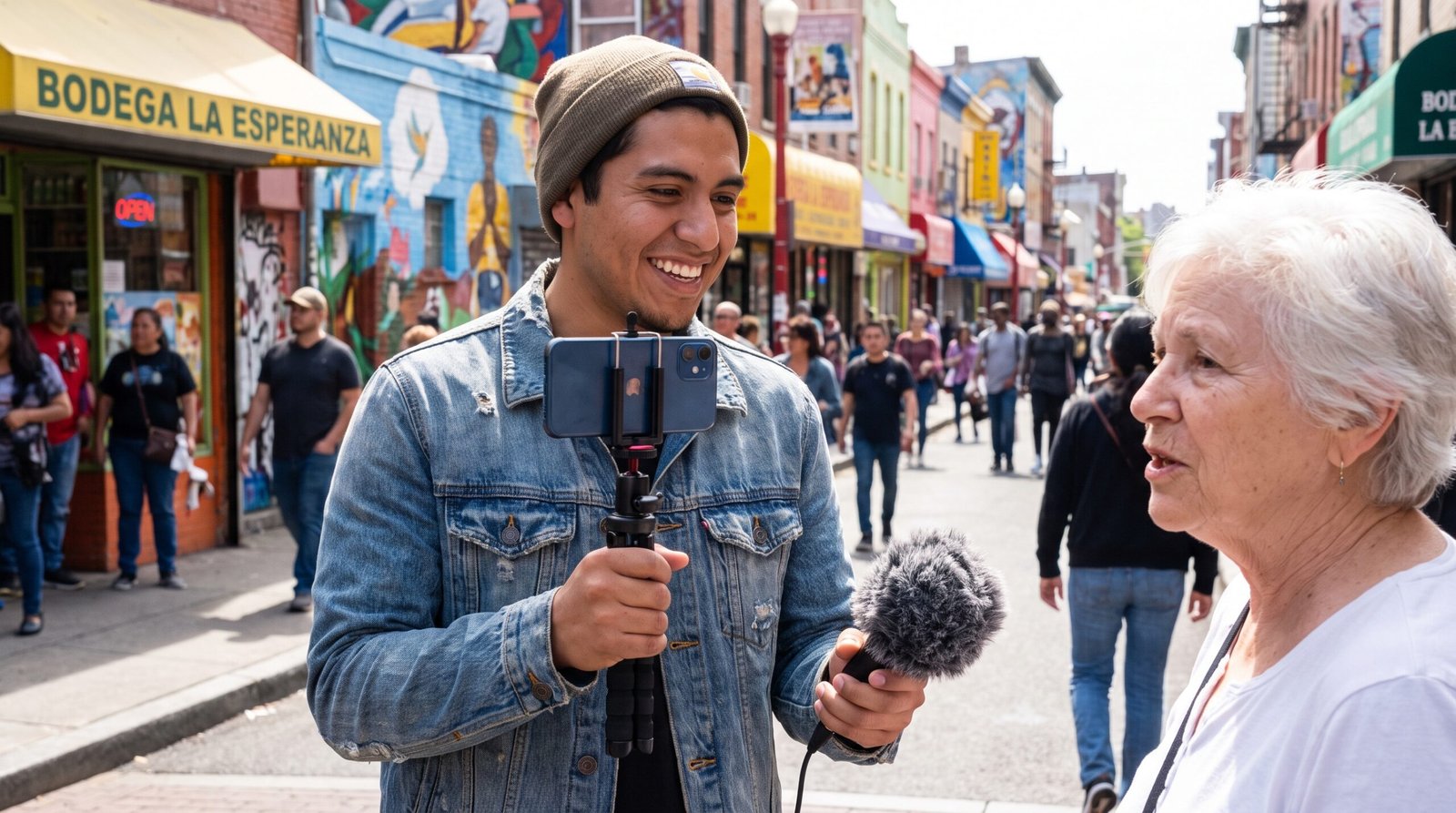
That accessibility has changed whose experiences become visible. Stories that may have once seemed too local, specialized, cultural, or unconventional for traditional programming can now find enthusiastic audiences. A creator does not necessarily need ten million viewers. Ten thousand deeply engaged people who care about a particular subject can build a meaningful community.
Creators also changed what audiences expect from storytellers. People became accustomed to personality, accessibility, and conversation. They could comment on a video and sometimes receive a response from the person who made it. They could watch the creative process unfold, suggest future topics, or become part of the community surrounding the content. The distance between storyteller and audience became much smaller.
But the rise of creators does not make traditional broadcasting obsolete.
Some stories require resources that extend far beyond a smartphone. Investigative journalism can demand months of reporting. International coverage requires experienced teams and infrastructure. Major documentaries involve research, production, fact checking, legal review, and significant financial investment. Live sports and major events require technical operations that independent creators rarely have the capacity to reproduce.
The interesting development is that these worlds are no longer staying in separate lanes. Broadcasters are learning from creators, and creators are learning from broadcasters. Journalists build personal audiences through social media. Television programs turn interviews into short digital clips. Successful creators move into documentaries, books, podcasts, streaming programs, and television. Media companies increasingly search digital platforms for new talent and ideas.
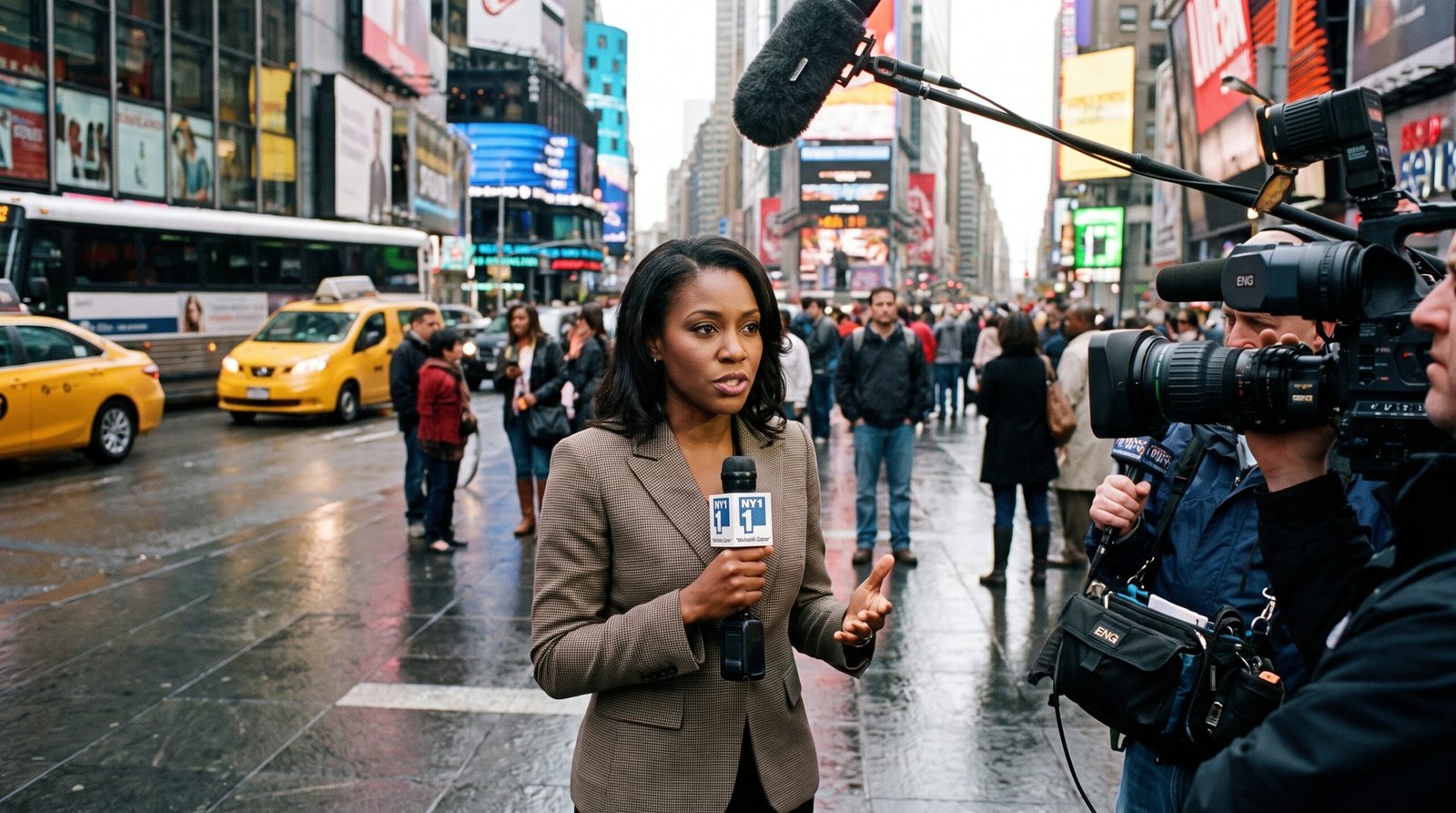
For audiences, having more voices brings more responsibility. A polished studio does not automatically guarantee that every conclusion is correct, just as millions of followers do not make a creator an expert. Viewers have to distinguish reporting from commentary, expertise from confidence, and credible information from content designed primarily to attract attention.
That may be one of the most important skills in the new media landscape. We have more access to information than previous generations could have dreamed of, but access and understanding are not the same thing.
The future of storytelling is unlikely to be creators versus broadcasters at all. It will be creators and broadcasters borrowing the best from each other. Traditional media brings experience, resources, reach, and editorial discipline. Independent creators bring fresh perspectives, cultural connection, accessibility, and experimentation.
The camera has become available to almost everyone. That is extraordinary. But technology only provides the microphone. What ultimately matters is what someone chooses to say with it.
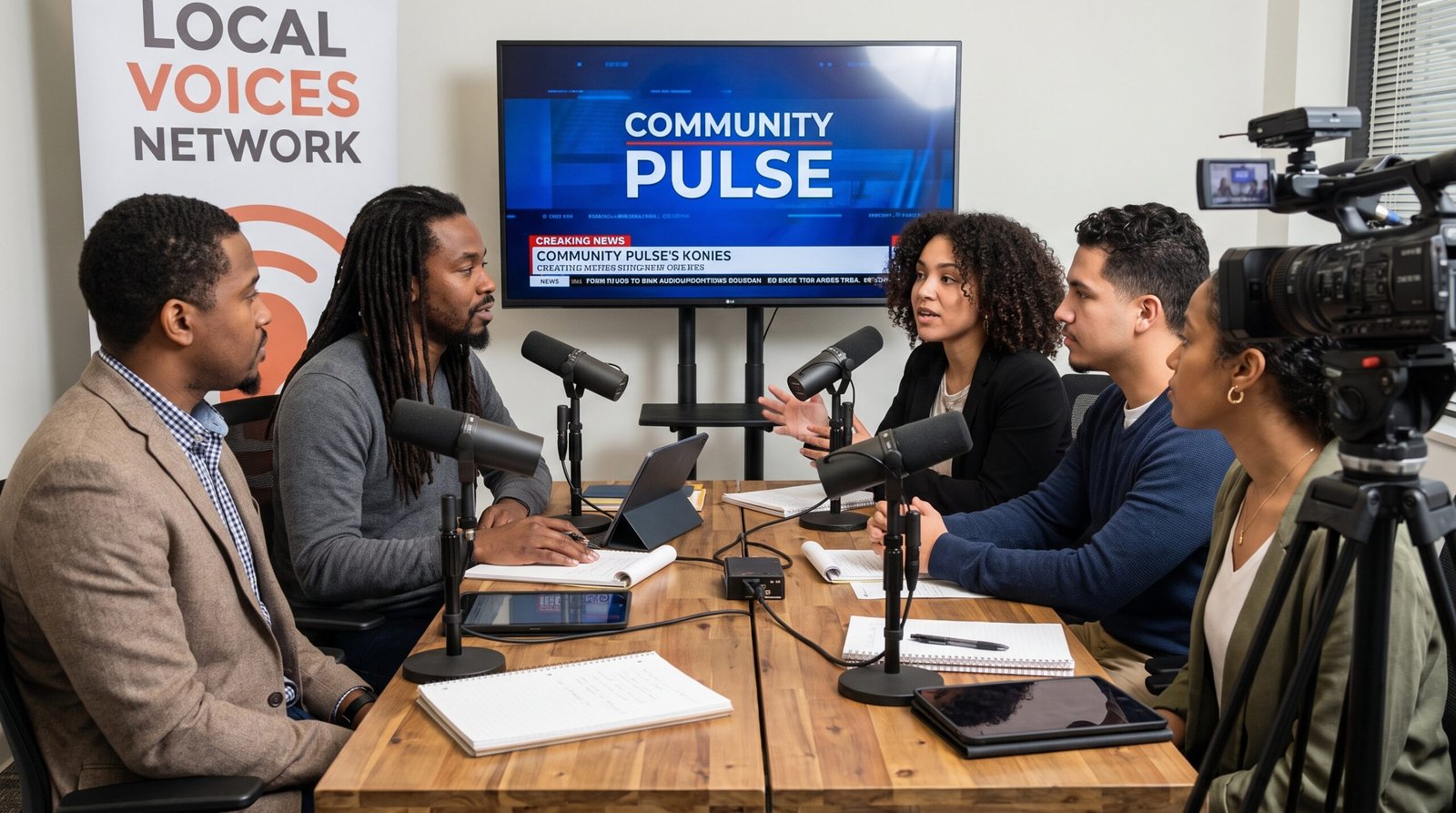
The strongest storytellers of the future will not be defined by whether their work begins in a television studio or on a smartphone. They will be defined by their ability to earn attention, respect the audience, communicate with integrity, and tell stories worth staying for.
