


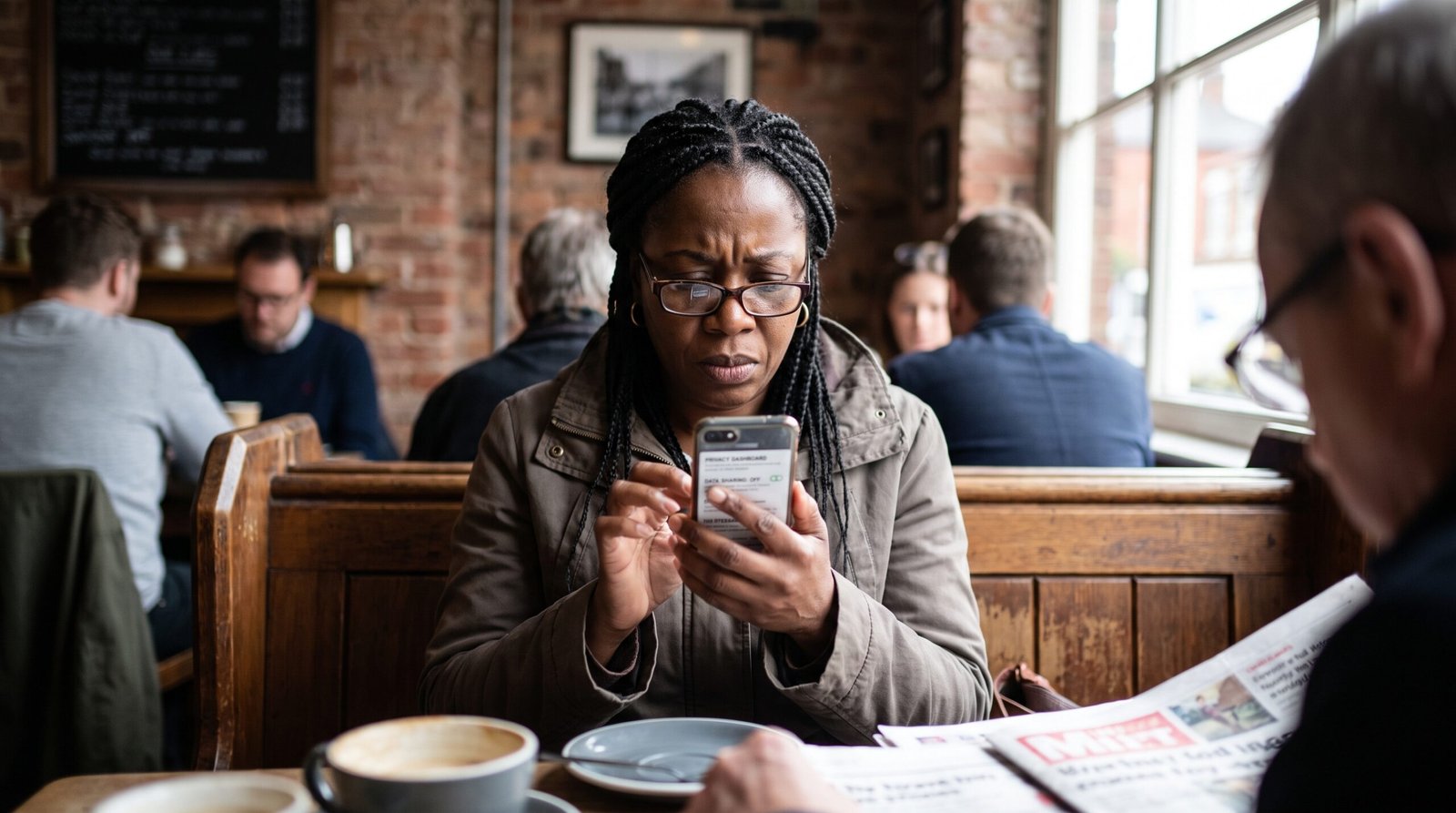
You search for a pair of sneakers, close the website, and move on with your day. Later, those same sneakers seem to follow you across social media. You watch a few cooking videos, and suddenly your feed is filled with recipes. You visit a new neighborhood, and your phone recommends nearby restaurants. None of this feels particularly unusual anymore. But behind that convenience is a question we rarely stop to ask: How much does the digital world know about us?
Every time we go online, we leave clues. Some are obvious, including photographs, comments, purchases, reviews, and profile information. Others are created quietly through searches, browsing habits, location information, viewing patterns, and the amount of time we spend engaging with certain content.
One click does not reveal much. Thousands of clicks can tell a surprisingly detailed story.
That collection of information becomes part of your digital footprint. It can reveal what you enjoy, what you buy, where you spend time, what captures your attention, and what you may be interested in next. In an economy built increasingly around information, those patterns have value.
This is where the idea of data ownership becomes complicated. We may think of personal information as ours, yet using many digital services involves agreeing to let companies collect and use certain information. Most of us have clicked “Accept” on a privacy agreement without reading much beyond the button. We receive convenience in return, but the exchange is easy to overlook because no money leaves our wallet.

Sometimes, the value of that exchange is easy to see. Navigation applications can recommend faster routes because they understand traffic patterns. Streaming services learn what kinds of movies or music we enjoy. Retailers remember preferences and make shopping easier. Digital platforms introduce us to content based on our interests.
Personalization can be useful. The important question is how much information we are comfortable exchanging for it.
That deserves more attention because data can travel farther than we expect. Information may be stored, analyzed, combined with other information, or used to shape what advertisements and recommendations we see. If systems are compromised, personal information can also become vulnerable to fraud, identity theft, or other misuse.
Being digitally informed does not mean deleting every application and disappearing from the internet. It means becoming more intentional about the relationship we have with technology.
Start by getting curious. The next time an application asks for access to your contacts, photographs, microphone, or location, ask whether it actually needs that information. Review privacy settings instead of automatically accepting the defaults. Delete accounts you no longer use. Think carefully before posting personal details publicly. Pay attention to what information a service requests in exchange for something that appears to be free.

These small decisions create something valuable: greater control.
Digital literacy is quickly becoming as practical as understanding credit, budgeting, or personal security. We do not need to become technology experts, but we should understand enough to make informed choices. Knowing that algorithms can shape recommendations, that websites can track activity, and that online behavior can contribute to detailed profiles changes how we interact with the digital world.
Businesses have a responsibility in this relationship as well. Companies that collect personal information should explain what they are collecting, why they need it, and how they protect it. Innovation may attract customers, but responsible stewardship helps keep them. In a digital economy, trust is an asset too.
Our digital footprints will continue growing as technology becomes more connected to everyday life. The goal is not to leave no footprint at all. That is increasingly unrealistic. The better goal is to understand the trail we are creating.
Your data tells a story about you. Knowing who gets to read that story, what they can learn from it, and what you receive in return is becoming an essential part of navigating modern life.
