


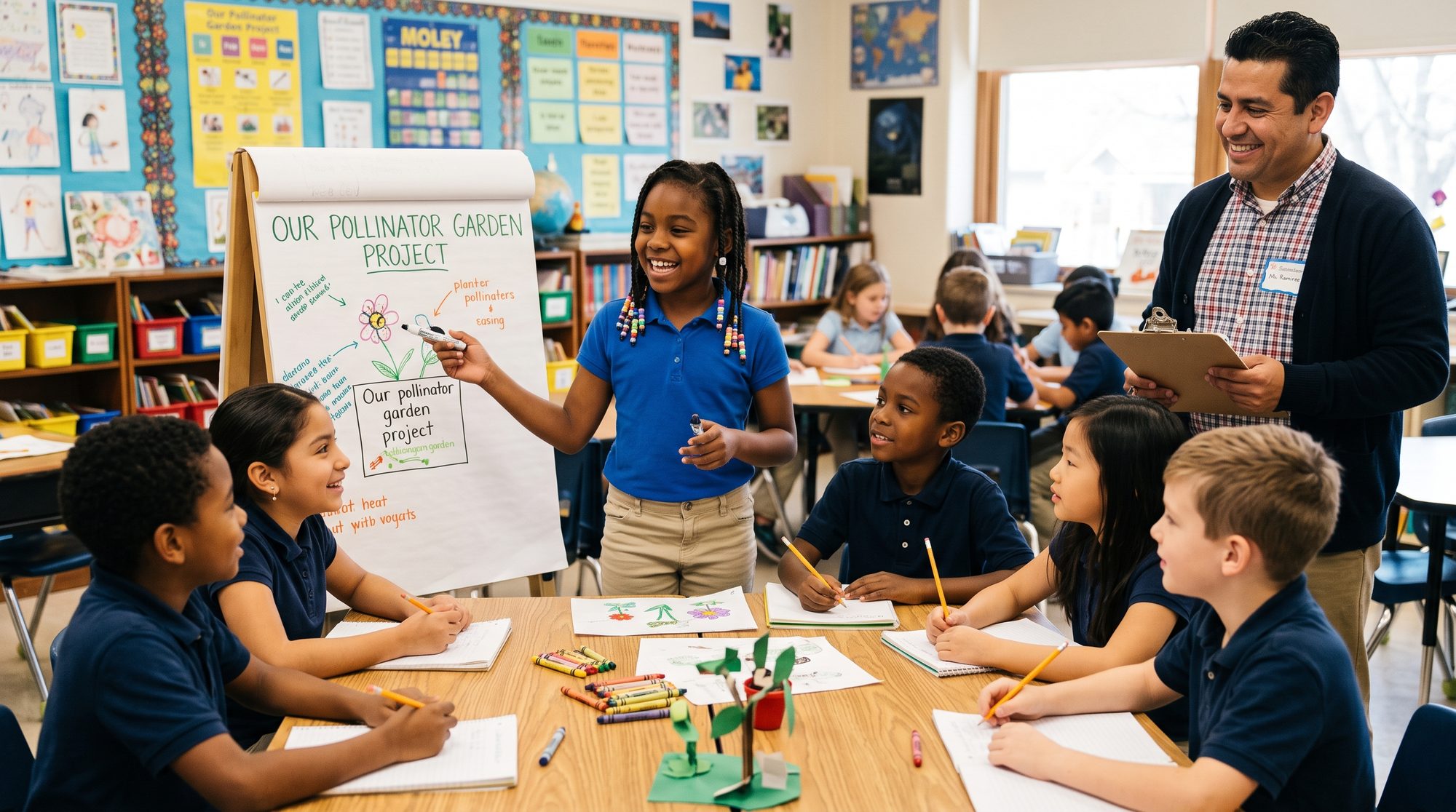
Leadership is often treated as a destination reserved for older students. Student council elections, team captain roles, and leadership clubs frequently appear during middle school or high school, creating the impression that leadership begins when students are older and more experienced. In reality, leadership starts much earlier. The elementary years represent one of the most valuable opportunities to develop the habits, character, and confidence that define effective leaders throughout life.
Leadership is not determined by age. It is developed through repeated opportunities to make decisions, solve problems, help others, and take responsibility. When these experiences begin in elementary school, they become part of a child's identity rather than a skill introduced much later.
Many people associate leadership with authority or recognition. The stronger definition centers on influence. Every student has the ability to positively influence classmates through kindness, responsibility, encouragement, and service. A child who welcomes a new student, helps organize classroom materials, includes someone during recess, or volunteers to assist a teacher is already practicing leadership. These moments may seem small, but they establish behaviors that often grow into lifelong habits.
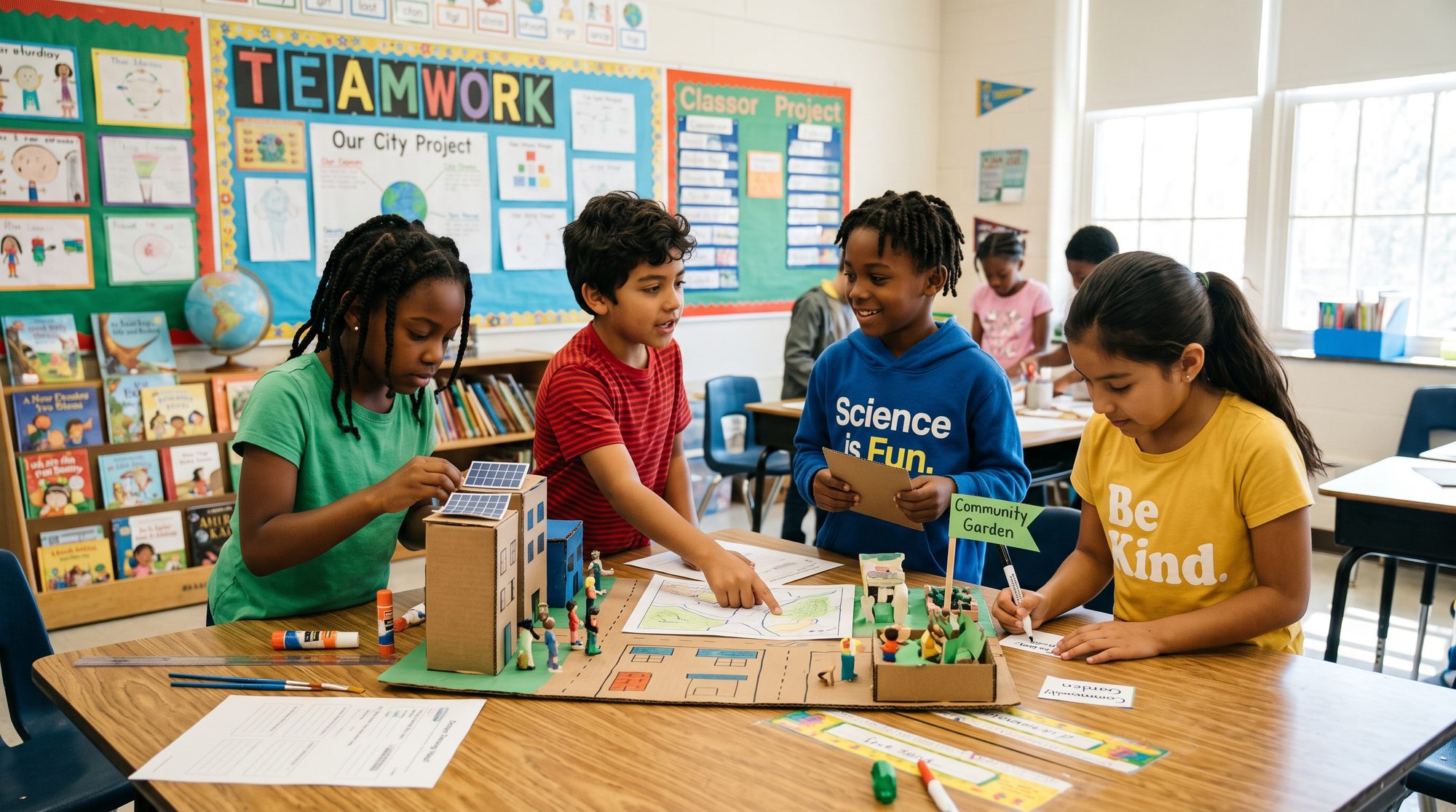
The elementary classroom provides an ideal environment for leadership development because students are actively forming their beliefs about themselves and their abilities. When children are trusted with meaningful responsibilities, they begin to view themselves as capable contributors rather than passive participants. Confidence grows through experience, not through titles.
Families play an equally important role in nurturing these qualities. Leadership lessons often begin at home through everyday responsibilities. Completing household chores, caring for younger siblings, helping prepare meals, managing personal belongings, and participating in family decisions all reinforce accountability and ownership. These experiences teach children that their actions have value and that contributing to the success of others is both meaningful and expected.
Schools strengthen this foundation by intentionally creating opportunities for every student to lead. Leadership should not be limited to a small group of high achieving students or those with outgoing personalities. Every child deserves opportunities to facilitate discussions, mentor classmates, lead classroom projects, participate in service activities, and contribute ideas that improve their learning environment. Inclusive leadership experiences allow students with different personalities and strengths to discover their own leadership style.
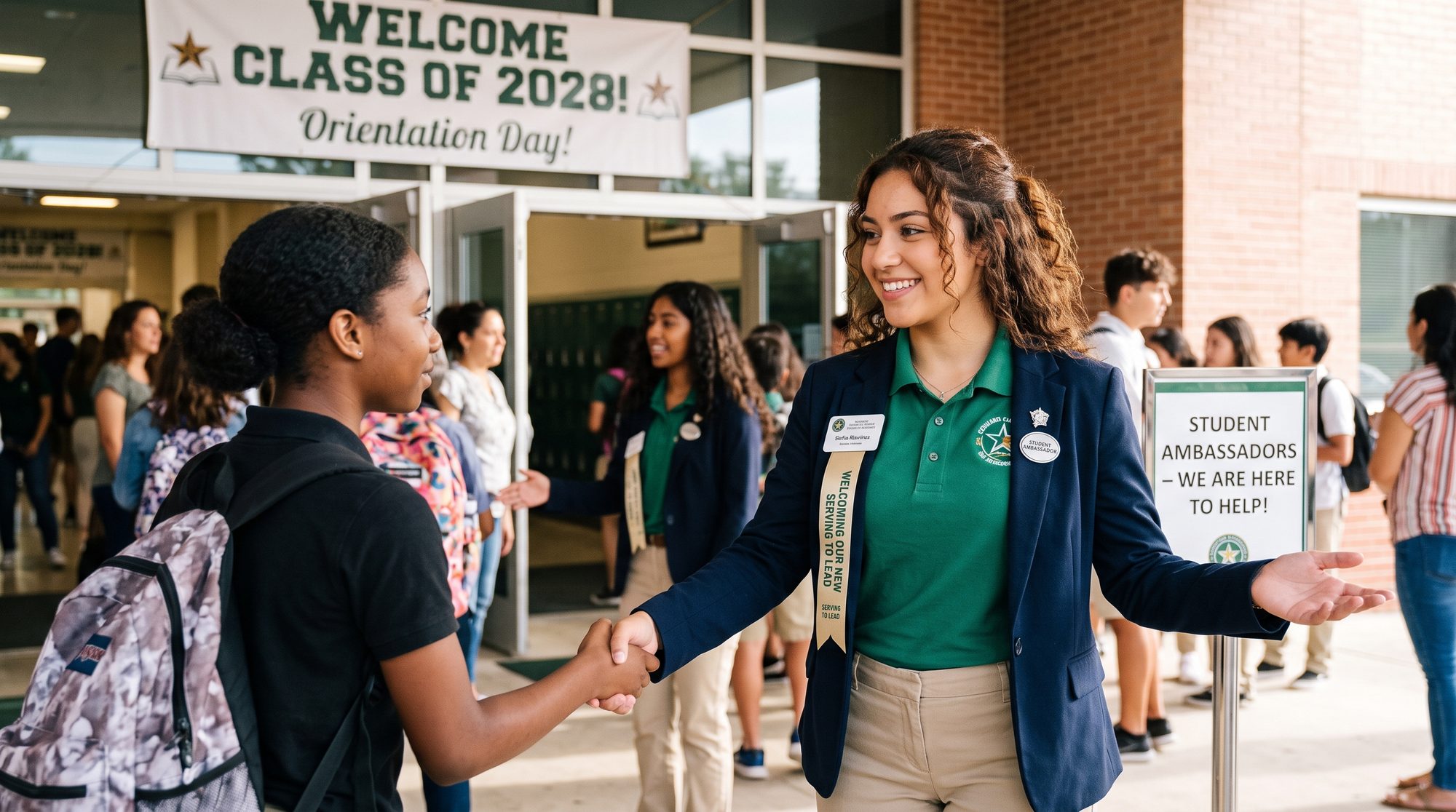
Equally important is teaching students that leadership requires both confidence and humility. Effective leaders know how to communicate, but they also know how to listen. They accept responsibility for mistakes, seek solutions instead of assigning blame, and understand that success is strongest when shared with others. These qualities become easier to develop when introduced during childhood, before habits become firmly established.
Service should remain at the center of every leadership experience. Leadership is not measured by how many people follow you. It is measured by how many people benefit because you chose to serve. When students learn to identify needs, support classmates, care for their schools, and contribute to their communities, leadership becomes connected to purpose rather than personal recognition.
The long term impact extends far beyond elementary school. Students who develop leadership early often demonstrate stronger communication skills, greater resilience, higher levels of engagement, and increased confidence as they progress through middle school, high school, college, and eventually their careers. They become individuals who are comfortable taking initiative, adapting to change, and working collaboratively to solve problems.
Leadership is not a program that begins with an election or an officer title. It is a mindset that grows through daily choices, meaningful responsibility, and consistent opportunities to serve others. When elementary schools and families intentionally cultivate these experiences, they do far more than prepare students to lead tomorrow. They empower children to become thoughtful, compassionate, and capable leaders today.
