


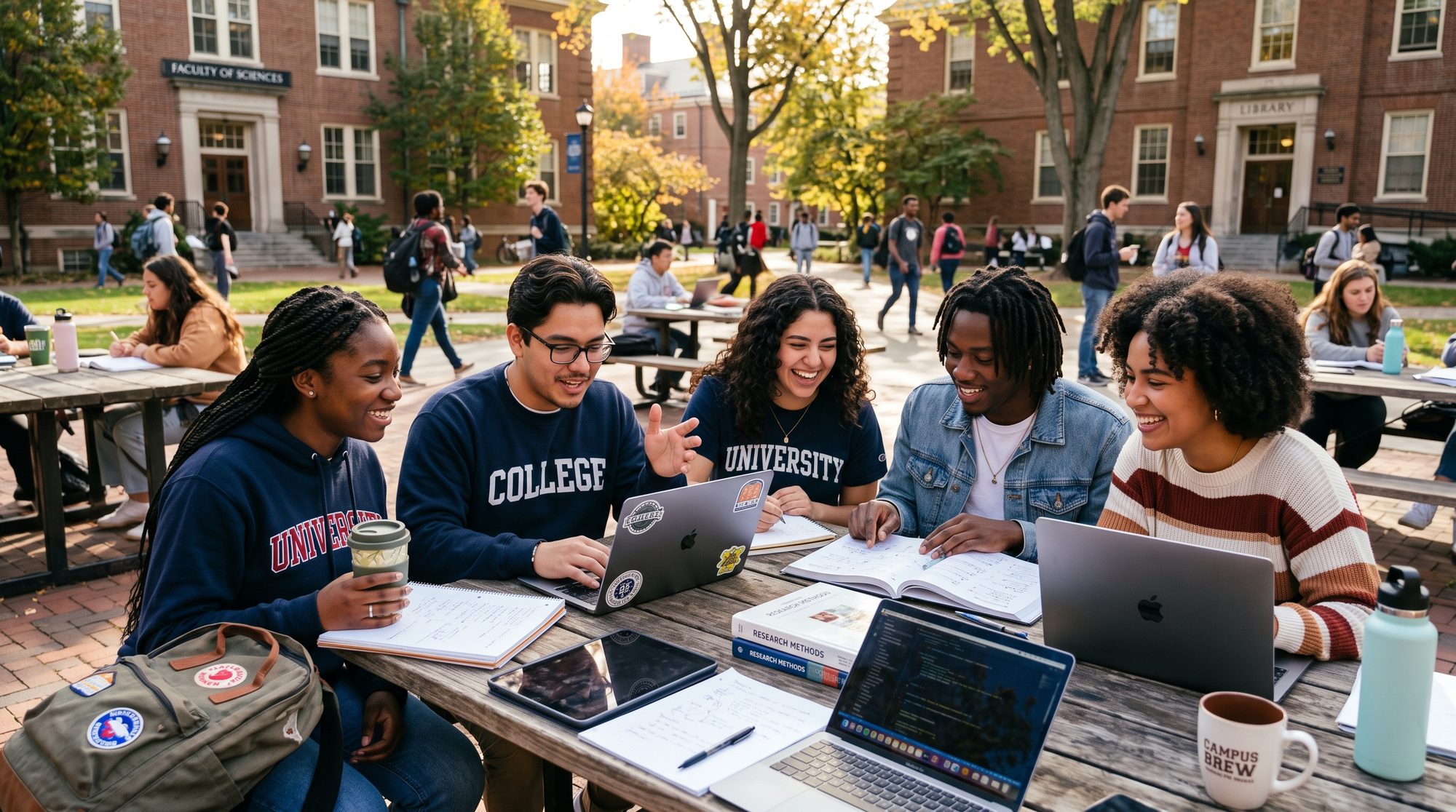
College is often viewed as the gateway to opportunity. Students arrive on campus carrying ambitions, expectations, and dreams about the future. Many focus on selecting the right major, maintaining strong grades, and ultimately earning a degree that will open professional doors. Those goals are important, but they represent only part of what higher education has to offer. The university experience is not simply about completing coursework. It is an opportunity to develop the knowledge, relationships, and perspective that shape a lifetime of success.
The most successful graduates rarely leave college with only academic knowledge. They graduate with stronger judgment, broader networks, greater confidence, and a clearer understanding of how they can contribute to the world. These outcomes emerge when students intentionally engage with every aspect of the university experience rather than limiting their education to the classroom.
Academic performance remains a priority because it develops discipline, critical thinking, and subject matter expertise. However, learning extends far beyond lectures and examinations. Every classroom discussion strengthens communication. Every research project develops analytical thinking. Every collaborative assignment teaches students how to work effectively with people who bring different perspectives and experiences. These skills become increasingly valuable in workplaces where solving complex problems often requires collaboration across disciplines.
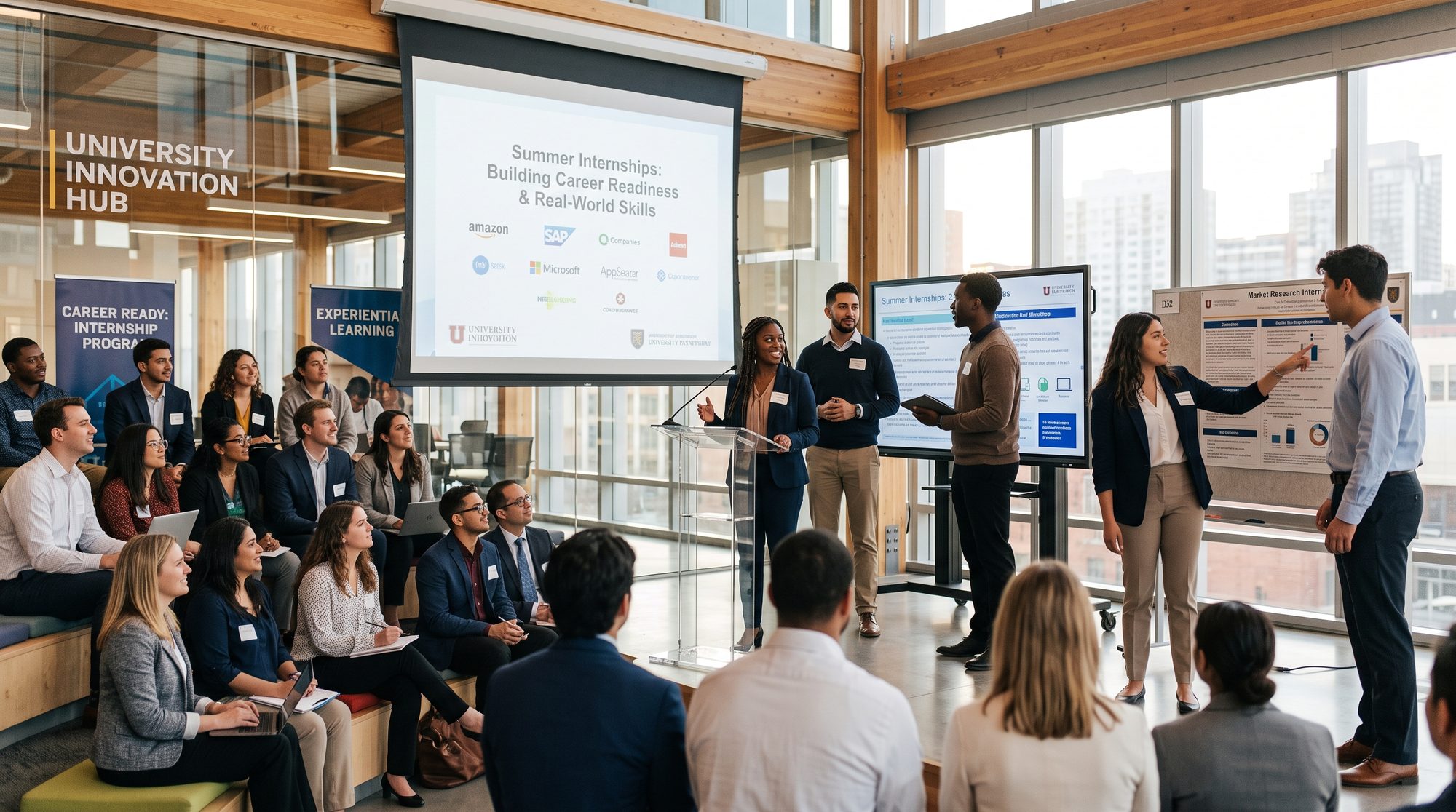
Equally important is the willingness to explore opportunities outside the curriculum. Student organizations, internships, campus leadership positions, volunteer service, study abroad experiences, and undergraduate research each provide practical learning that complements academic instruction. These experiences allow students to apply knowledge in real world settings while discovering strengths that may not appear on a transcript.
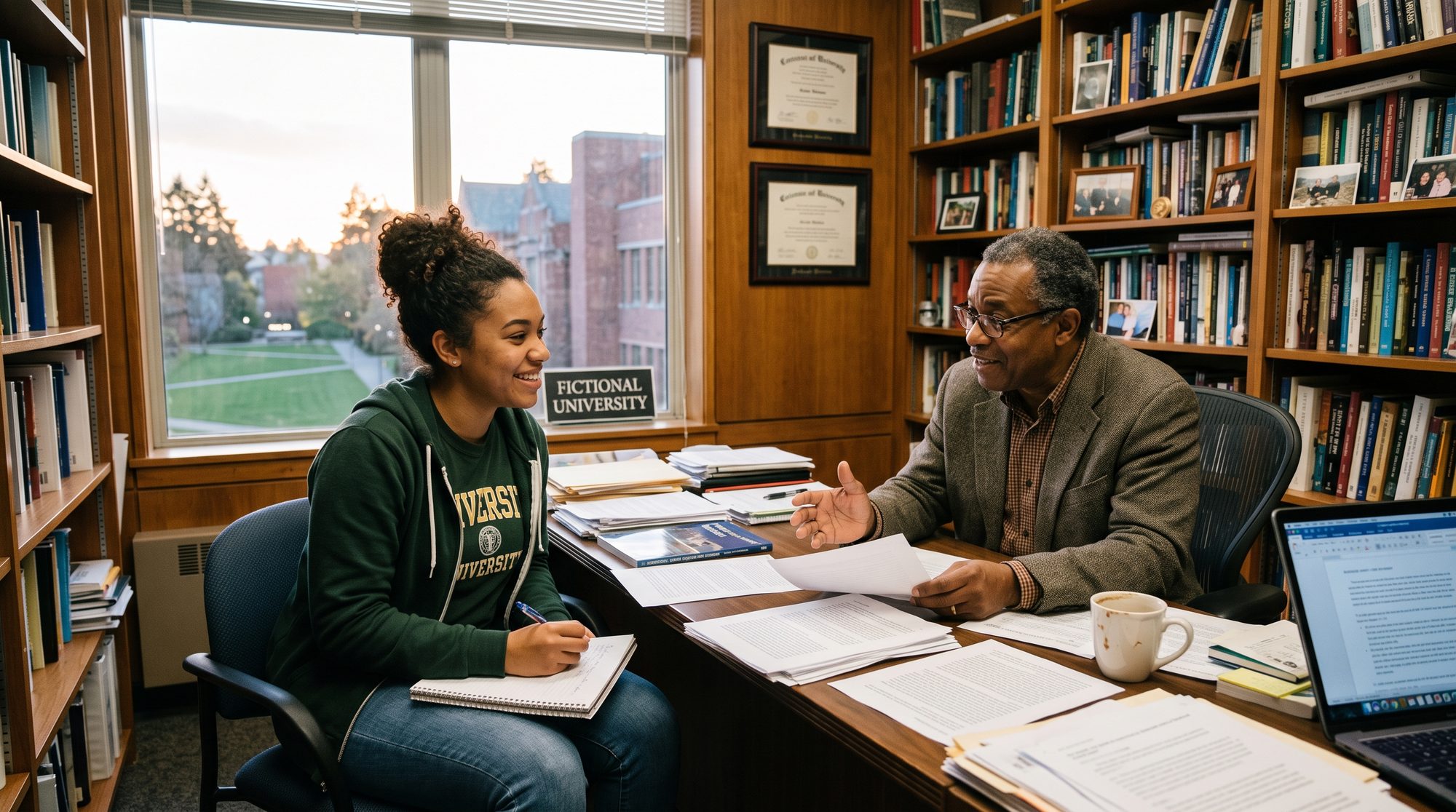
Professional development should begin well before graduation. Building relationships with professors, career advisors, alumni, and industry professionals creates connections that often lead to internships, mentorship, and employment opportunities. Students who actively cultivate these relationships develop networks that continue providing value throughout their careers. Success is influenced not only by what you know, but also by your ability to learn from others and contribute meaningfully to professional communities.
College also provides an important environment for personal growth. For many students, higher education represents their first opportunity to make independent decisions about finances, time management, relationships, and long term goals. Learning to balance competing priorities while managing increased responsibility develops maturity that extends well beyond academic achievement. These experiences strengthen resilience and prepare students to navigate uncertainty with greater confidence.
Another important shift involves redefining the purpose of education itself. Rather than viewing college as a transaction that exchanges tuition for a diploma, students benefit from approaching higher education as an investment in lifelong learning. Curiosity becomes more valuable than memorization. Asking thoughtful questions becomes more important than simply finding correct answers. The ability to adapt and continue learning often determines long term success in a rapidly changing economy.
Purpose also deserves careful attention during these years. While career preparation is important, fulfillment often comes from understanding how personal strengths align with meaningful contributions. Students who reflect on their values, passions, and desired impact are more likely to pursue opportunities that provide both professional achievement and personal satisfaction.
The university experience offers far more than academic credentials. It provides a laboratory for leadership, collaboration, innovation, and self discovery. Every conversation, every challenge, every relationship, and every opportunity contributes to becoming a more capable and thoughtful individual.
A college degree may open the first door, but the habits, character, and perspective developed throughout the university journey determine how far that opportunity can lead. Students who intentionally embrace every dimension of higher education graduate with more than knowledge. They leave prepared to create value, lead with purpose, and continue growing throughout every stage of life.
