


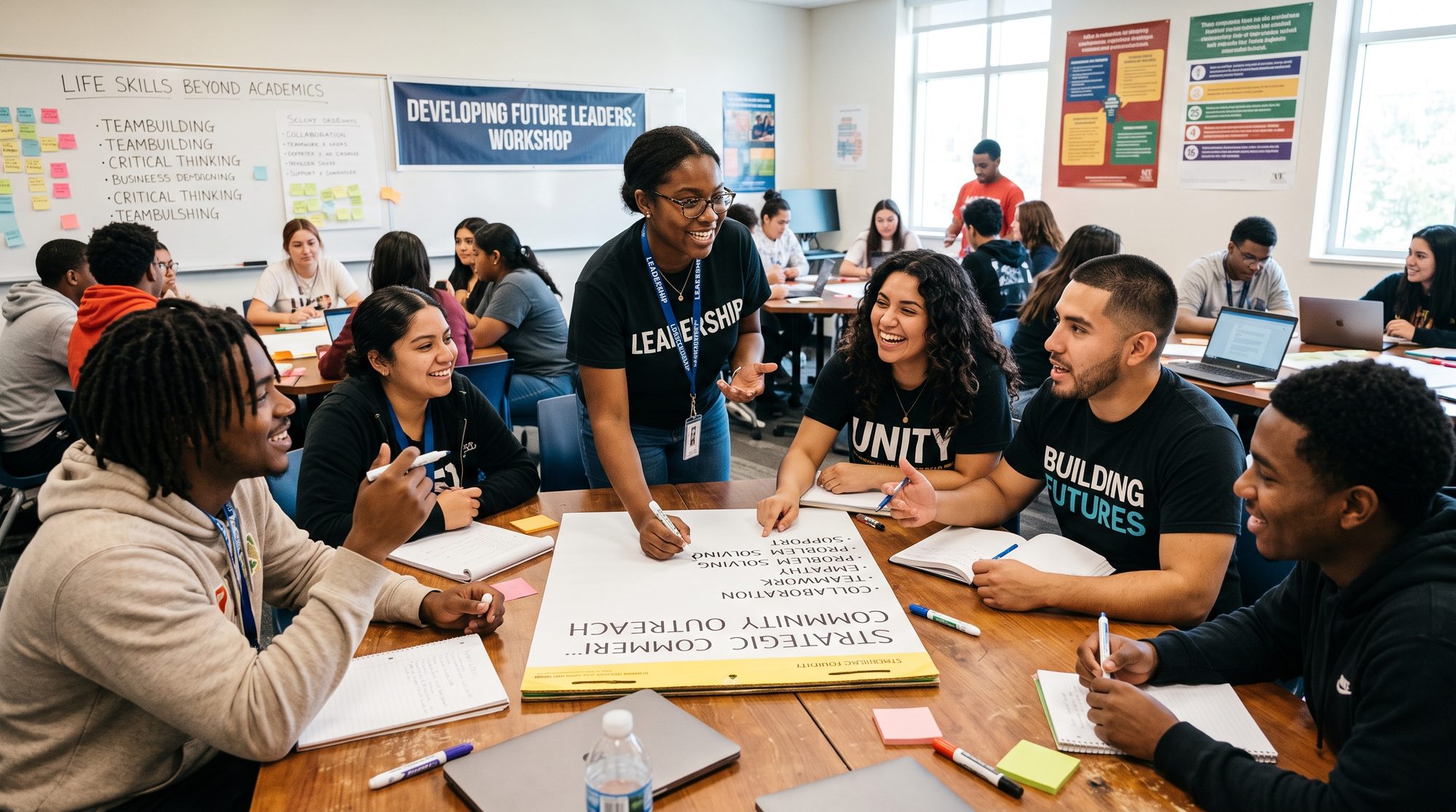
Grades tell an important story, but they never tell the whole story. A report card can measure how well a student performed on assignments, assessments, and classroom objectives. It cannot fully capture the ability to solve unfamiliar problems, build meaningful relationships, adapt to change, or lead with confidence during uncertainty. As education continues to evolve alongside an increasingly complex world, many of the qualities that shape long term success remain invisible on traditional academic records.
Employers, educators, and community leaders consistently recognize that achievement extends beyond technical knowledge. Success is increasingly influenced by the human skills that enable people to think clearly, communicate effectively, and work productively with others. These competencies are not replacements for academic excellence. They amplify it by helping students apply what they know in meaningful and practical ways.
Communication remains one of the most valuable skills a student can develop. The ability to express ideas clearly, listen actively, ask thoughtful questions, and adapt messages for different audiences influences success in every classroom, workplace, and community setting. Strong communication creates stronger relationships, reduces misunderstandings, and allows ideas to move from concept to action. Every presentation, discussion, and conversation becomes an opportunity to strengthen this essential capability.
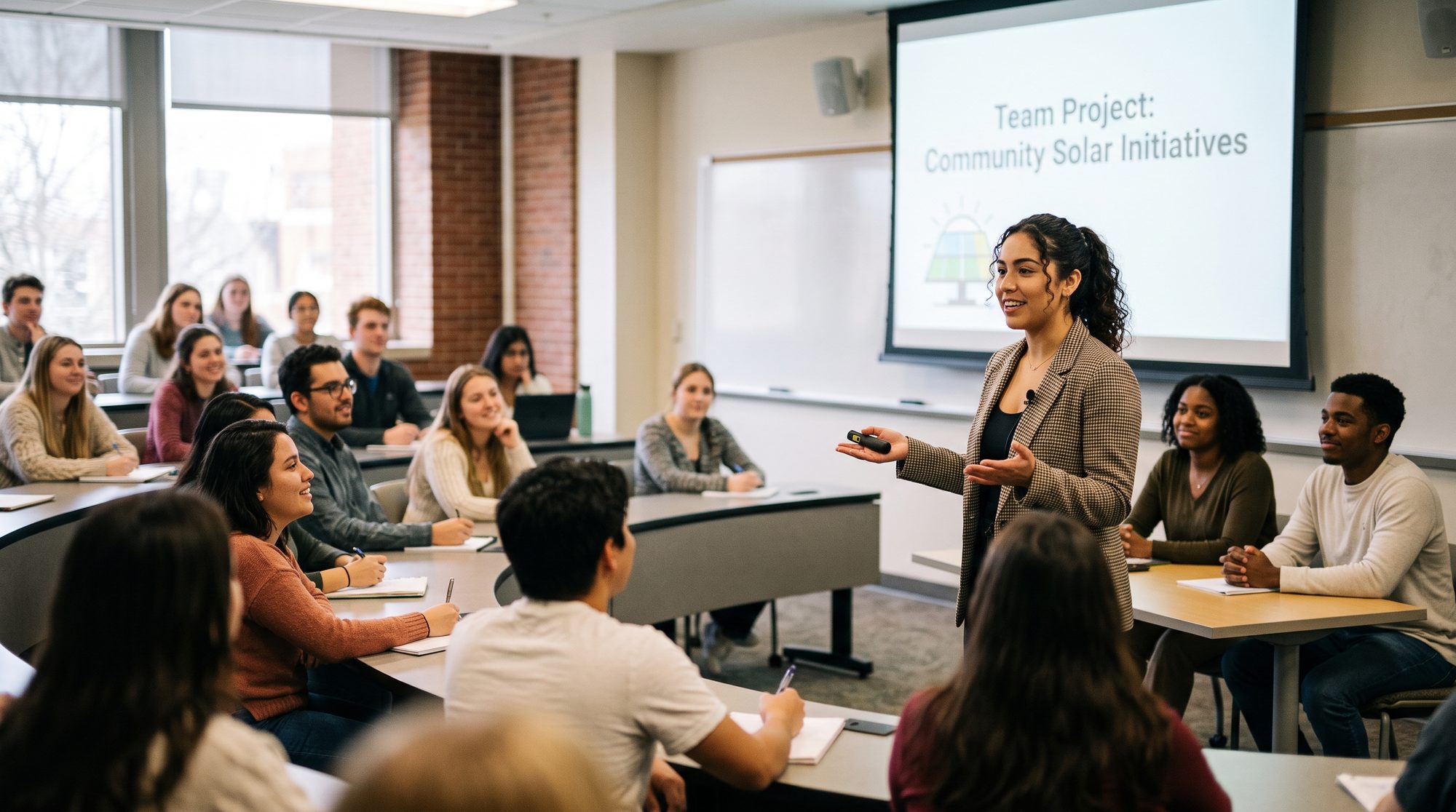
Critical thinking is equally important. Information has never been more accessible, yet wisdom still requires careful analysis. Students must learn how to evaluate evidence, identify assumptions, recognize bias, and distinguish between facts and opinions. Rather than accepting information at face value, successful learners develop the habit of asking better questions. Thoughtful inquiry often produces stronger decisions than quick conclusions.
Adaptability has become another defining characteristic of effective learners and future professionals. Technology continues to reshape industries, careers evolve rapidly, and new challenges emerge with increasing frequency. Students who embrace change with curiosity rather than resistance position themselves to thrive in environments where continuous learning is expected. Flexibility allows opportunities to emerge from circumstances that others may view only as obstacles.
Resilience also deserves greater attention. Every student encounters disappointment, setbacks, and moments of uncertainty. The difference between temporary failure and lasting growth often depends on how individuals respond to adversity. Students who learn to reflect, adjust, and persevere develop confidence that cannot be created through easy success alone. Challenges become valuable teachers when they strengthen persistence instead of discouragement.
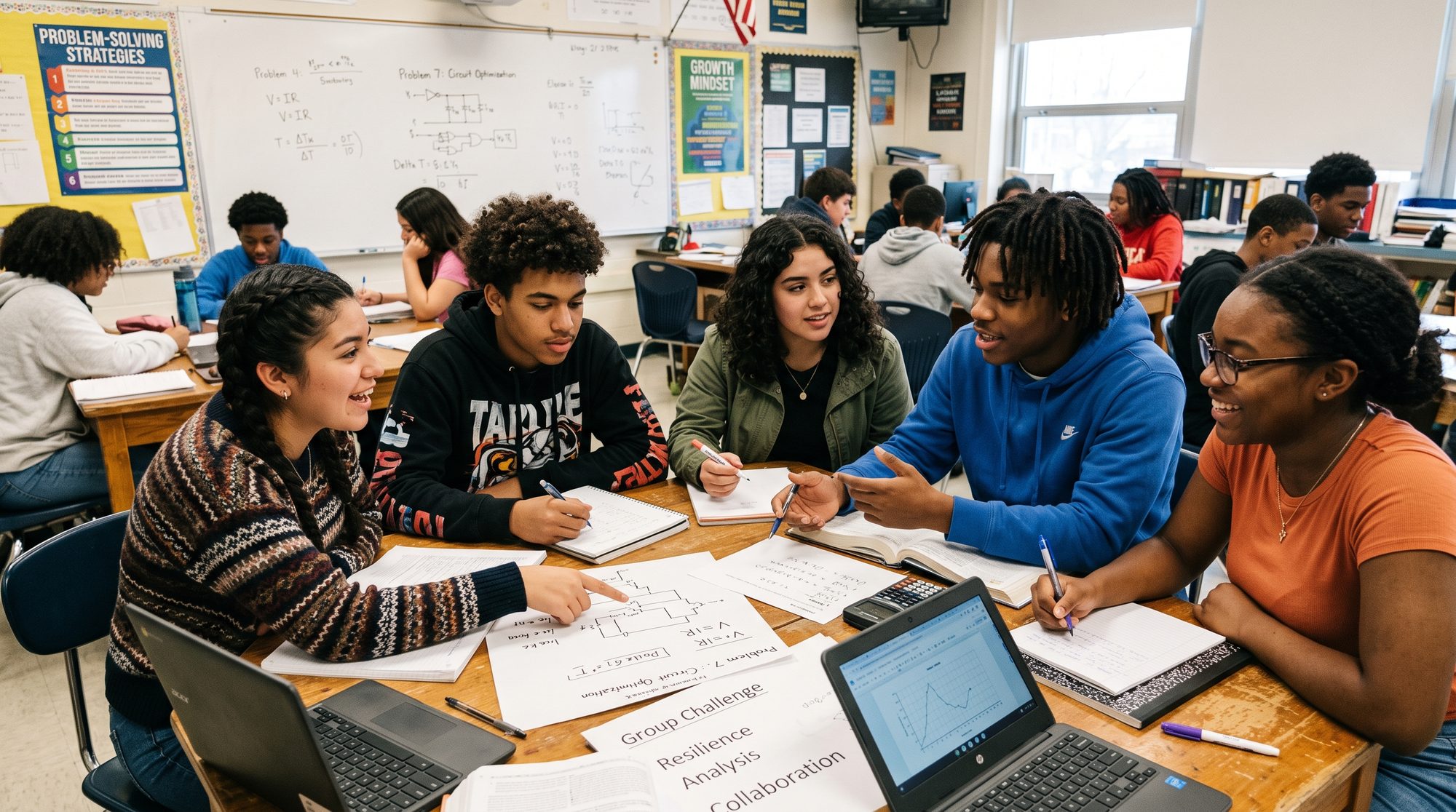
Collaboration transforms individual strengths into collective achievement. Modern workplaces and communities increasingly rely on teams that bring together diverse perspectives and experiences. Students who learn to contribute ideas, resolve differences respectfully, share responsibility, and support the success of others develop leadership skills that extend far beyond academic settings. Collaboration teaches that meaningful progress is often created together rather than alone.
Emotional intelligence may be the most underestimated skill of all. Understanding personal emotions while recognizing the perspectives and experiences of others improves decision making, strengthens relationships, and enhances leadership. Students who develop empathy, self awareness, and emotional regulation are better equipped to navigate conflict, build trust, and create positive environments wherever they serve.
Perhaps the greatest lesson is that these skills are not developed through a single class or examination. They are strengthened through everyday experiences, thoughtful reflection, meaningful conversations, and consistent practice. Families, educators, mentors, coaches, and communities each contribute to this ongoing development by creating opportunities for students to lead, communicate, solve problems, and grow through experience.
A report card may reflect academic performance during a particular semester, but character, judgment, and interpersonal skills shape opportunities for a lifetime. Students who intentionally develop these essential qualities graduate with more than knowledge. They enter the future prepared to think critically, lead confidently, collaborate effectively, and create meaningful impact wherever their journey takes them.
