



Leadership is often mistaken for a position. Student council presidents, class officers, team captains, and club leaders are frequently recognized as the faces of leadership within a school. While these roles are valuable, they represent only one expression of what leadership truly means. Authentic leadership is not defined by a title that appears next to your name. It is demonstrated through the choices you make, the influence you have, and the positive impact you create every day.
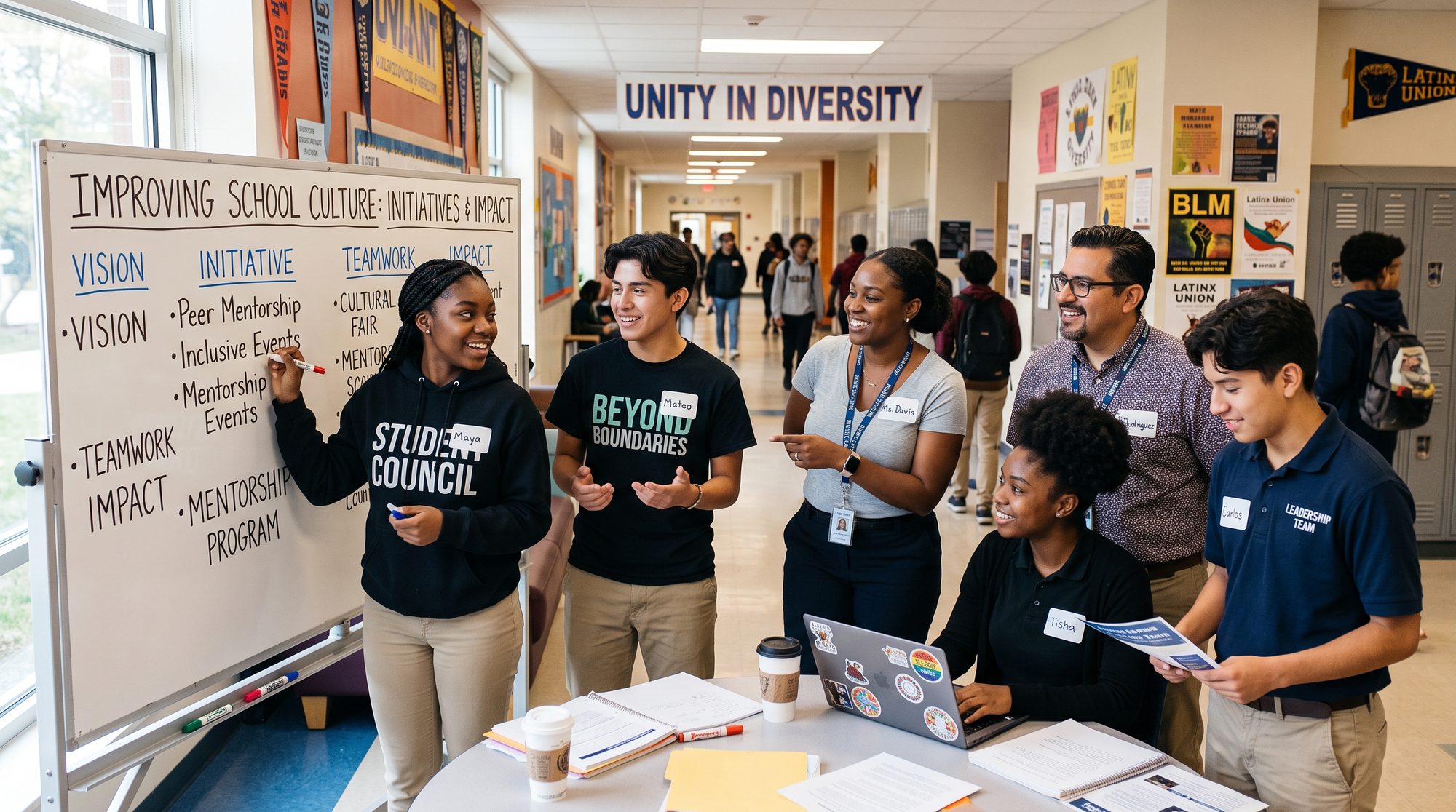
Some of the most influential students never hold an elected office. They encourage classmates who are struggling, welcome new students with kindness, help resolve conflicts, and consistently contribute to a positive school culture. Their leadership is measured not by authority, but by the trust they earn and the example they set. Influence often speaks louder than position because people naturally respond to character before they respond to titles.
This distinction becomes increasingly important as students prepare for life beyond school. Colleges, employers, and communities seek individuals who demonstrate initiative, responsibility, collaboration, and integrity. These qualities cannot simply be assigned through an election. They are developed through consistent actions that reflect maturity and purpose.

Initiative sits at the center of authentic leadership. Rather than waiting for someone else to identify problems or create solutions, effective student leaders take thoughtful action. They notice opportunities to improve their classrooms, support their peers, strengthen their communities, and contribute ideas that move everyone forward. Leadership begins the moment a student chooses responsibility over passivity.
Service provides another essential dimension. Too often leadership is associated with visibility or recognition. The strongest leaders understand that their primary responsibility is to create value for others. They ask how they can help before asking what they can receive. Whether tutoring younger students, volunteering in the community, mentoring classmates, or supporting school initiatives, service transforms leadership from personal achievement into meaningful contribution.
Communication also distinguishes effective leaders from simply active participants. Students who communicate with respect, listen carefully, encourage collaboration, and navigate disagreements constructively help build environments where others feel valued. Leadership is strengthened not by having all the answers, but by creating conversations where people feel comfortable sharing ideas and working toward common goals.
Authentic leadership also requires resilience. Every meaningful initiative encounters challenges, criticism, or unexpected setbacks. Students who learn to remain focused, adapt thoughtfully, and continue pursuing positive outcomes develop confidence that extends well beyond the classroom. These experiences prepare them for future leadership in college, business, public service, and community organizations where persistence often determines long term success.
Perhaps one of the most overlooked aspects of student leadership is that every student has the capacity to lead. Leadership is not limited to extroverted personalities or academic high achievers. Quiet students lead by demonstrating consistency and compassion. Creative students lead by introducing new ideas. Curious students lead by asking thoughtful questions that inspire deeper learning. Every individual possesses unique strengths that can positively influence others.
Schools and families share the responsibility of helping students recognize this broader definition of leadership. When young people are encouraged to take ownership, solve problems, collaborate with others, and serve their communities, they begin viewing leadership as a daily practice rather than an occasional opportunity. This mindset creates lasting habits that continue long after graduation.
The future will always need individuals who can inspire trust, navigate complexity, and unite people around meaningful goals. Those leaders are not developed solely through titles or recognition. They are shaped through everyday decisions rooted in character, initiative, humility, and service. Student leadership is never about the position you hold. It is about the positive difference you choose to make, one action, one relationship, and one opportunity at a time.
