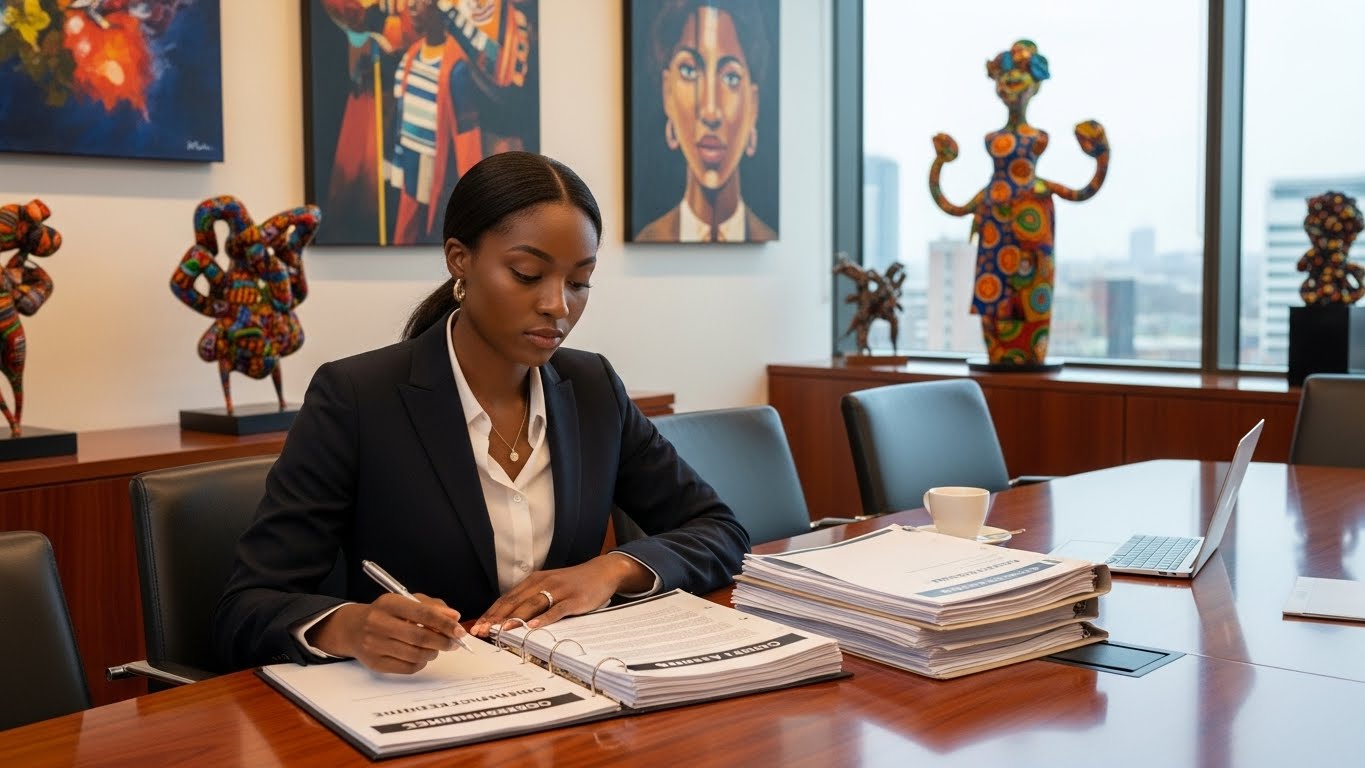
You can feel it when you walk into the room. The tone is different, the dialogue sharper, the perspective broader. The presence of women in boardrooms across industries is not just symbolic—it is transformative. Every chair filled by a woman at the executive table represents more than achievement. It represents progress, perspective, and the power to redefine leadership for generations to come. The rise of women in corporate leadership is not just a trend; it is a movement reshaping how decisions are made and how success is defined.
For decades, leadership tables were shaped by sameness. The same viewpoints, the same strategies, the same voices echoing around the room. But the modern business world has learned a powerful truth: diversity is not just good ethics; it is smart economics. Companies with gender-diverse boards consistently outperform those without. They show higher profitability, stronger innovation, and better governance. When women enter leadership spaces, they bring a collaborative approach, an ability to see around corners, and an empathy-driven style that complements strategic rigor.
Still, the path to the boardroom is rarely smooth. Many women navigate challenges that go beyond job performance—bias, limited mentorship, and systemic barriers that persist despite progress. You may have experienced these challenges yourself: being talked over, underestimated, or expected to prove your competence twice as often. Yet, the resilience developed through these experiences often becomes a woman’s greatest strength. It teaches patience, adaptability, and the courage to lead authentically rather than conform. The result is a generation of female leaders who drive change not by demanding power but by redefining what power looks like.
The growing presence of women in leadership is not only about equality but about effectiveness. Women leaders often prioritize long-term value over short-term gain. They advocate for policies that strengthen culture, support sustainability, and champion inclusion. Their leadership style tends to balance decisiveness with collaboration, creating teams that feel both supported and inspired. In today’s complex and fast-moving economy, those qualities are not just admirable—they are essential.
To thrive in these spaces, you must embrace both confidence and preparation. The climb to leadership requires continuous learning and strategic networking. Seek mentors and sponsors who see your potential and are willing to advocate for your advancement. Be intentional about cultivating relationships across departments and industries. The strongest leaders are not those who climb alone but those who build bridges for others along the way. Every conversation, collaboration, and opportunity to contribute strengthens your influence and prepares you for the next level.
Representation also matters more than ever. When you step into a boardroom, you are not only advancing your own career—you are shifting the perception of what leadership looks like. Younger women in the workforce are watching. They are taking notes on how you navigate pressure, assert your ideas, and balance professional growth with personal integrity. By showing up fully and unapologetically, you give permission for others to do the same. Your presence becomes a statement: leadership has no gender.
Businesses that prioritize diversity are not just checking a box; they are unlocking untapped potential. Research continues to show that mixed-gender teams make better decisions because they challenge groupthink and bring a wider range of insights to the table. When multiple perspectives are considered, innovation thrives, and risks are managed more effectively. In this way, gender diversity is not about fairness—it is about competitive advantage.
The future of business leadership is one where collaboration outweighs hierarchy, and inclusion drives performance. As more women take their rightful place in boardrooms, the impact will extend far beyond the companies they lead. It will influence entire industries, shape policies, and inspire future leaders to lead with purpose and empathy.
You are part of that evolution. Every time you share your expertise, advocate for inclusion, or mentor another woman, you are helping to build a leadership culture rooted in equity and strength. The seat you occupy is more than a milestone—it is a catalyst for change. And as the number of women in the boardroom continues to grow, so too does the vision of what true leadership can achieve.