


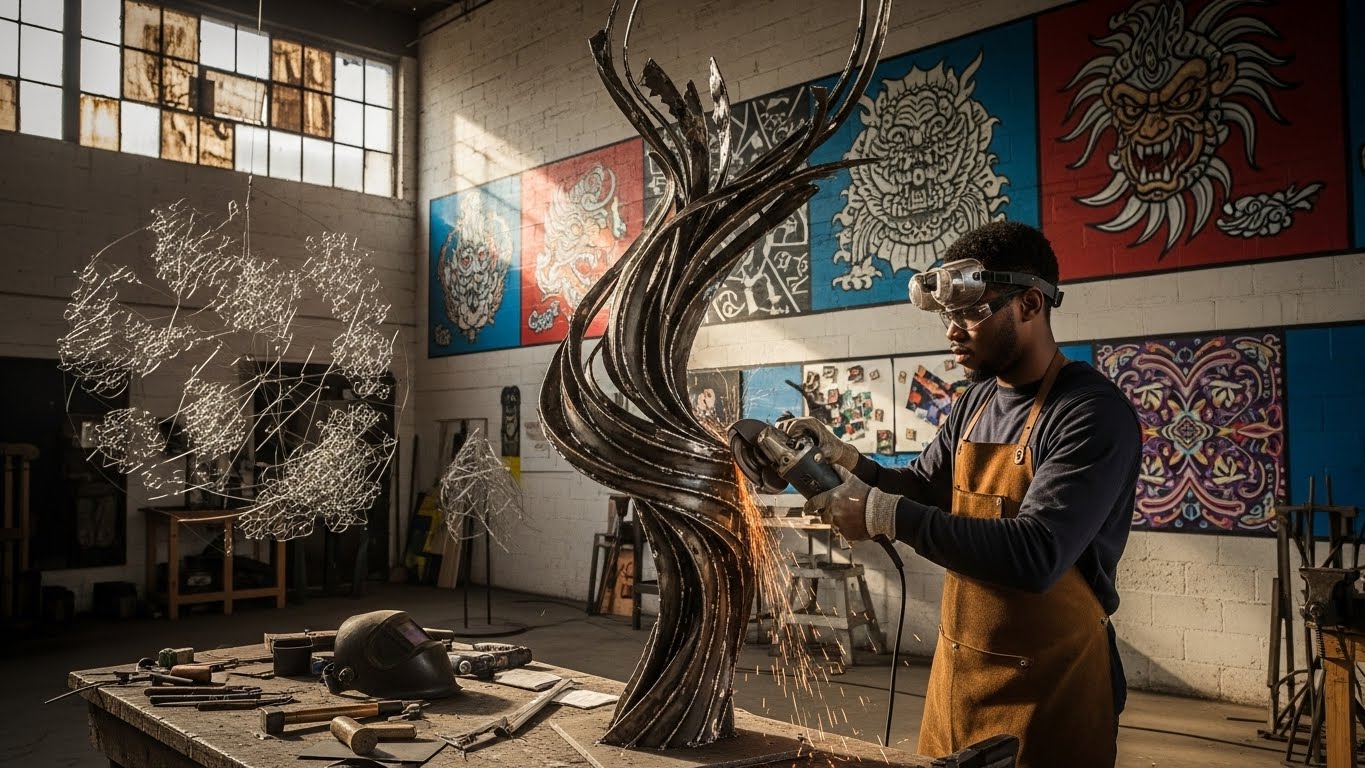
You can feel it the moment you stand before a sculpture that moves—not just physically, but emotionally. It pulls you in, asking you to see beyond shape and form into something alive and evolving. Sculpture has always been about transformation, turning raw materials into meaning. But today, that transformation is taking on new dimensions. The modern sculptor is no longer confined to marble and bronze. They are blending movement, light, and technology to redefine what it means to bring art to life.
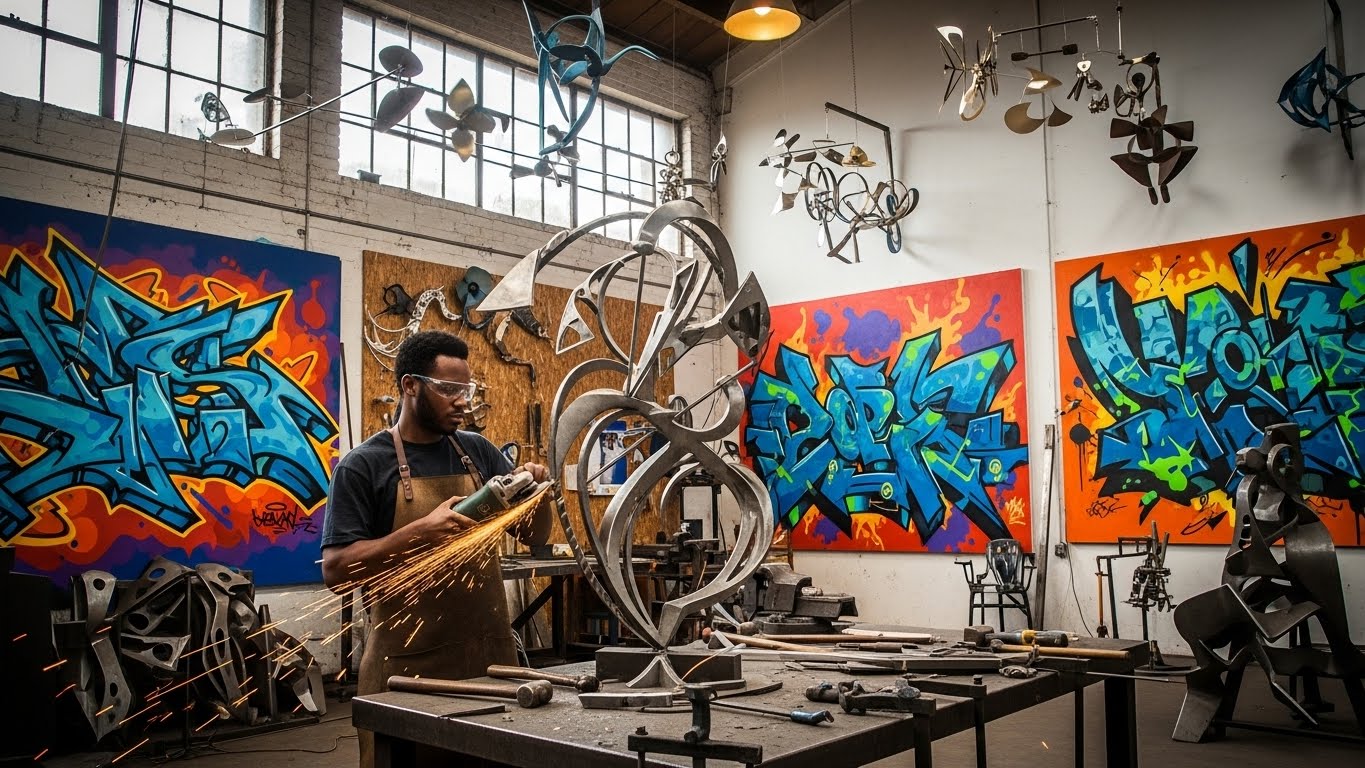
Contemporary sculpture is a conversation between tradition and innovation. The same discipline that once demanded patience with stone and clay now invites experimentation with glass, metal, plastic, and even motion sensors. Artists are merging physical craftsmanship with digital intelligence, blurring the lines between art, science, and engineering. What was once static has become dynamic. Sculptures now twist with wind, glow with light, or shift in response to human interaction. The result is not just something to look at—but something to experience.
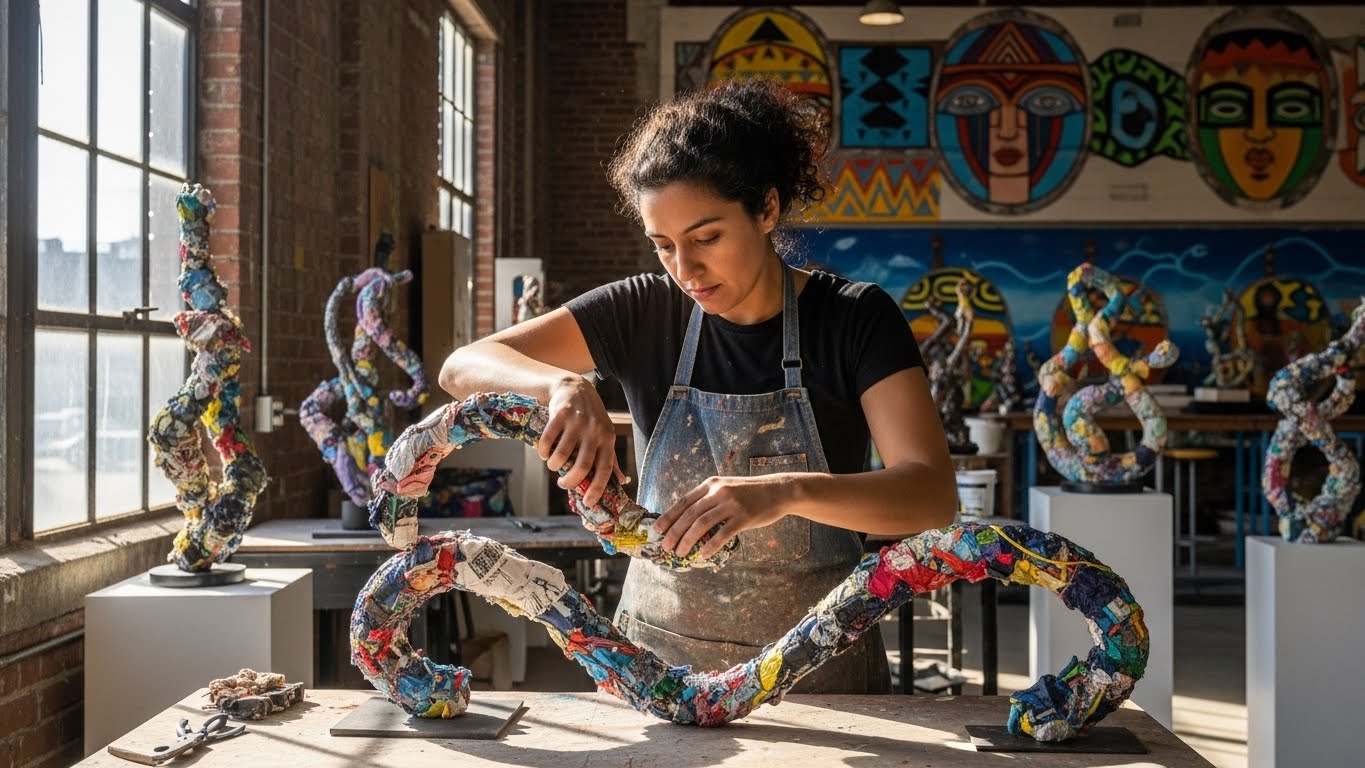
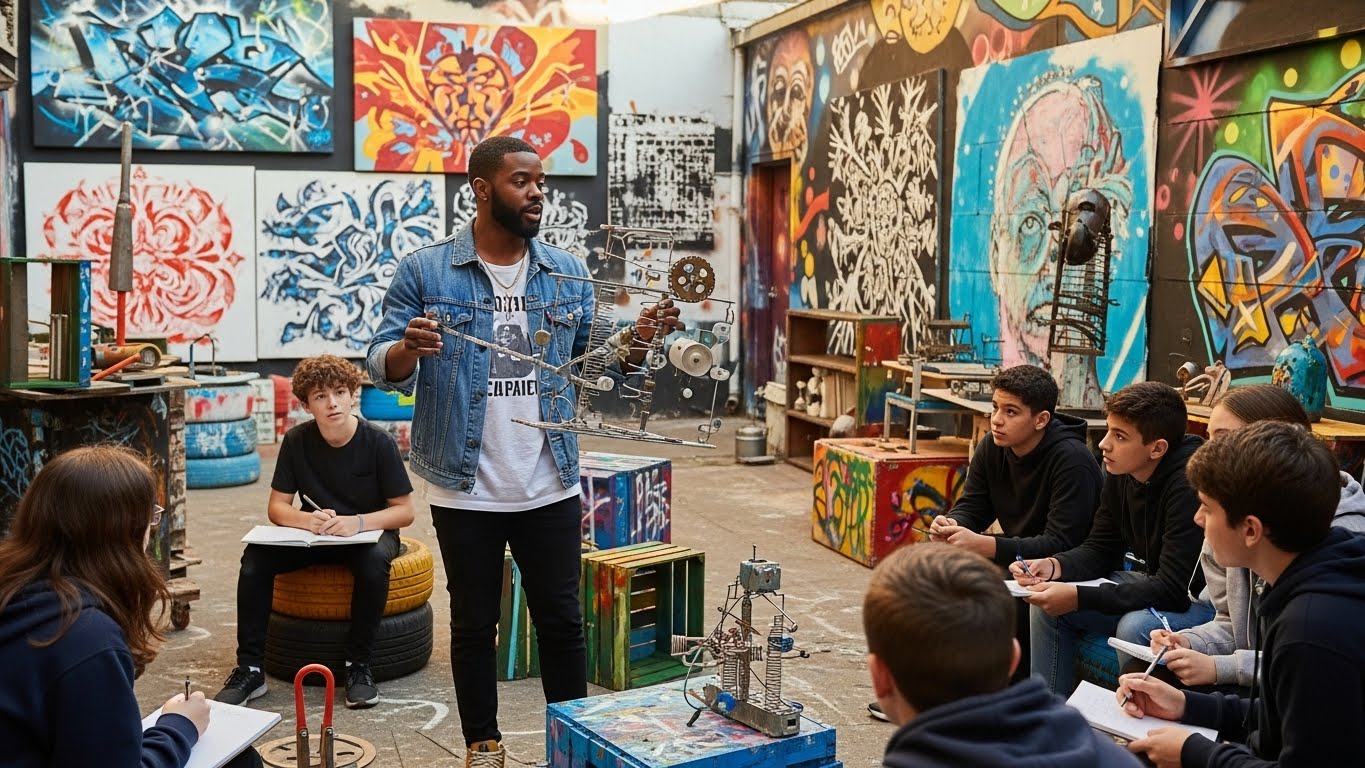
Movement has become the language of modern sculpture. Kinetic art, once a niche curiosity, is now a thriving expression of creativity. Sculptors use motors, magnets, and balance to give form to motion itself. These works challenge the viewer’s perception of time and space, inviting you to consider that beauty can be fluid, not fixed. Each rotation or vibration creates a new perspective, reminding you that nothing in life—nor in art—ever truly stands still.
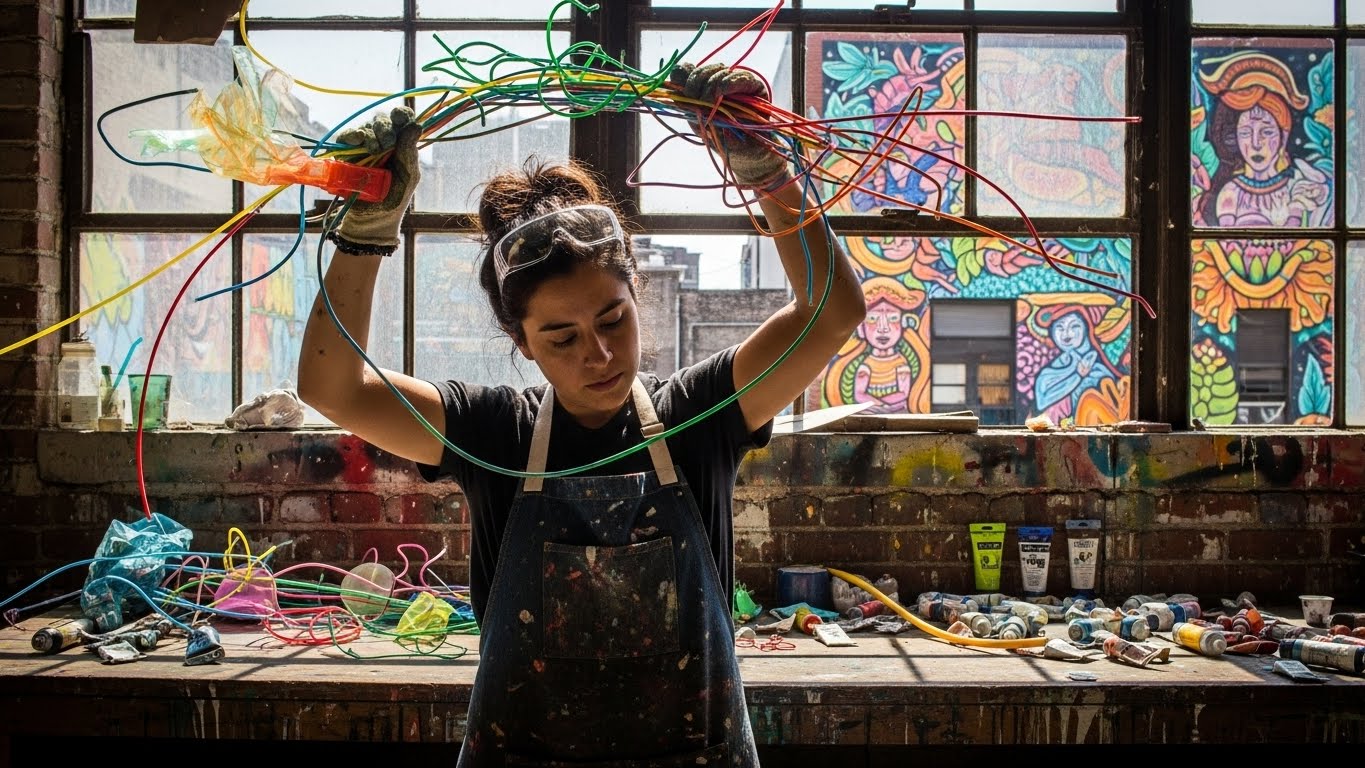
Technology, too, has expanded what sculptors can achieve. Digital modeling and 3D printing allow artists to create with precision once impossible by hand alone. Augmented and virtual reality are now part of the sculptural experience, transforming public spaces into immersive environments. Even artificial intelligence has begun shaping artistic possibilities, analyzing forms and patterns that inspire new designs. Yet, no matter how advanced the tools become, the heart of sculpture remains human. The vision, emotion, and storytelling that guide every creation are what give each piece its soul.
What makes today’s sculptors remarkable is not just their technique but their courage to question boundaries. They blend disciplines, cultures, and materials to reflect the complexity of modern life. Some use recycled objects to explore themes of sustainability. Others craft installations that respond to sound, water, or heat, making the environment itself part of the artwork. Every choice is intentional. Every piece is a reflection of the world’s constant motion and the artist’s desire to make sense of it.
Public art has become one of the most powerful ways for sculpture to connect with communities. Cities around the world are embracing large-scale installations that invite interaction and spark dialogue. Whether a reflective metal structure that captures the skyline or a fluid design that mirrors human movement, these sculptures transform ordinary spaces into places of inspiration. They remind you that art is not confined to galleries—it lives wherever people gather to feel, reflect, and connect.
But even as materials and methods evolve, the essence of sculpture remains timeless. It is about shaping ideas into form, turning the invisible into the tangible. The tools may have changed, but the drive to express, to communicate, and to move others endures. Each new generation of sculptors stands on the shoulders of those who came before, carving their place in a continuum that stretches back to the earliest expressions of creativity.
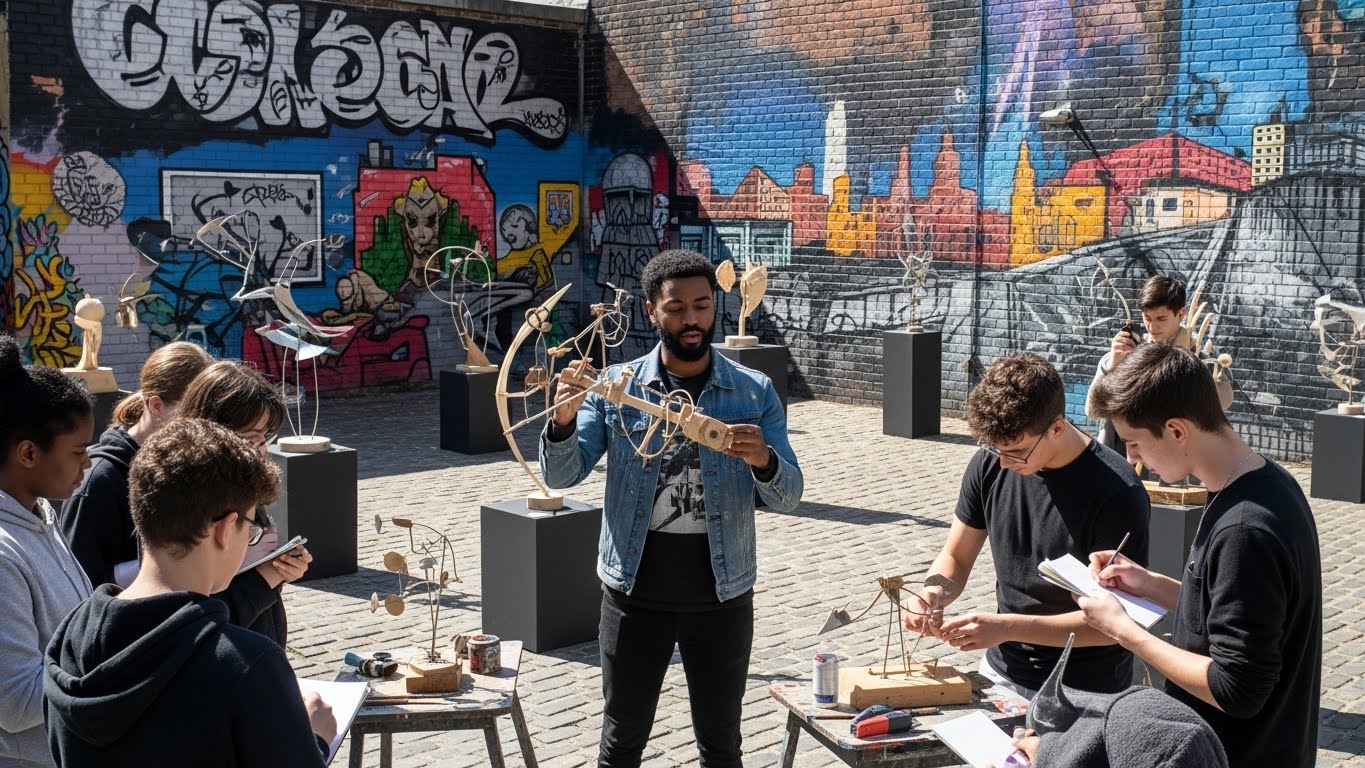
For you, as an observer, sculpture in motion is more than art—it is an invitation. It asks you to pause and notice how change itself can be beautiful. It reminds you that mastery lies not only in control but also in the ability to adapt, to experiment, and to let creativity evolve.
The modern sculptor is not simply shaping materials—they are shaping meaning. They are proving that tradition and technology can coexist, that stillness and motion can share the same space. And in their work, they capture something profoundly human: the desire to move forward while honoring the artistry of where we began.
