



You eat every day, but how often do you eat with purpose? Food can nourish or deplete you depending on how you use it. Too often, people eat to chase energy, emotion, or convenience. But when you shift your mindset to eat to live, every bite becomes a choice toward vitality rather than survival. The connection between what you eat and how you thrive is not abstract—it is biological. Your food choices can help you prevent, manage, and even reverse the most common chronic diseases that affect millions around the world.

At Brilliant Culture, we see nutrition as both science and art. It is science because it transforms your chemistry from within, and it is art because it reflects who you are—your culture, your traditions, and your values. Smart nutrition is not about deprivation or restriction; it is about intentional living. It is learning to blend ancient wisdom and modern research into habits that heal. When you eat for health instead of impulse, your plate becomes your most powerful prescription.
Modern studies continue to prove what many cultures have practiced for centuries: food is medicine. Diets rich in plants, healthy fats, and lean proteins can significantly reduce the risk of cancer, heart disease, and diabetes. Antioxidants from colorful fruits and vegetables fight inflammation—the root cause of most chronic illness. Fiber from whole grains and legumes helps control cholesterol and blood sugar. Omega-3 fatty acids from fish and nuts protect the heart and brain. These nutrients do not just sustain life; they enhance it.
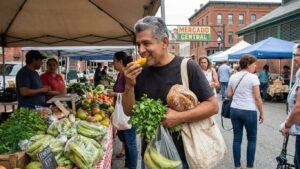
The truth is that no single food can save you, but every choice adds up. Think of your daily meals as investments in longevity. When you reach for a sugary snack, you may feel a quick burst of satisfaction, but it comes at the cost of long-term balance. When you choose a handful of almonds or fresh fruit instead, you are giving your body fuel that supports stability, focus, and energy. Health is not built overnight—it is built in small, consistent decisions.
Across cultures, the healthiest cuisines share the same foundation: simplicity, freshness, and balance. The Mediterranean diet, for example, is celebrated for its emphasis on olive oil, vegetables, whole grains, and fish. In Asia, traditional diets feature fermented foods, green tea, and plant-based meals that promote gut health and longevity. Latin American and African cuisines, when prepared traditionally, are rich in beans, fruits, and root vegetables that regulate metabolism and reduce inflammation. When you honor these cultural eating patterns, you embrace nourishment as part of identity, not just a medical prescription.
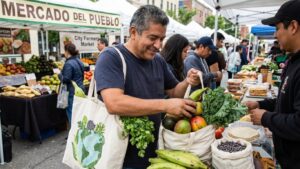
Smart nutrition is not about perfection—it is about awareness. Begin by paying attention to how food makes you feel. Does it energize or exhaust you? Does it leave you satisfied or craving more? These clues help you understand what your body needs. Incorporate more whole foods into your meals and limit ultra-processed options. Drink more water, less sugar. Replace empty calories with nutrient-dense foods that support your immune system and metabolic health. The more natural your choices, the more balanced your body becomes.
We teach that food should bring both health and harmony. It is not just about preventing disease—it is about living fully. Eating well supports mental clarity, emotional stability, and physical endurance. When you feed your body correctly, you also feed your confidence, productivity, and peace of mind. Your body begins to reward you with energy that sustains your purpose.

If you are looking to make a lasting change, start small. Cook one meal at home each day. Try a new vegetable each week. Add color to every plate—reds from tomatoes, greens from spinach, yellows from turmeric, purples from berries. Each color carries unique nutrients that work together to protect your cells and restore your energy. Think of your plate as a palette of healing.
The power of nutrition lies in consistency. Over time, the foods you choose shape the quality of your life. The research is clear—balanced eating reduces cancer risk, stabilizes cholesterol, and prevents diabetes. But the impact is deeper than prevention. It is the feeling of waking up clear-minded, energized, and alive.

Eating to live is not a diet—it is a mindset. It is a daily commitment to treat your meals as medicine and your body as an investment. When you eat with awareness and gratitude, you are not just nourishing your body; you are fueling your future. Within the brilliance of your own culture and the science of nutrition lies the secret to lifelong health—one intentional meal at a time.
