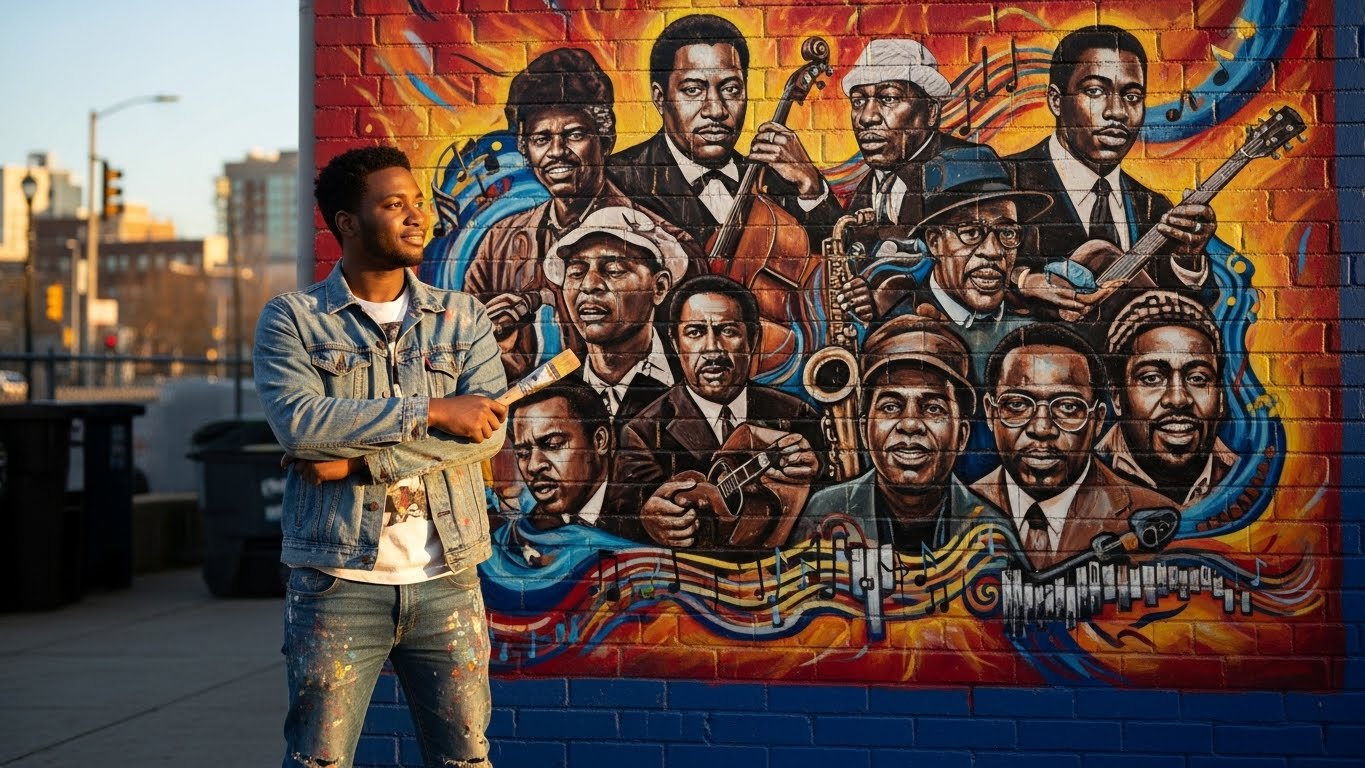
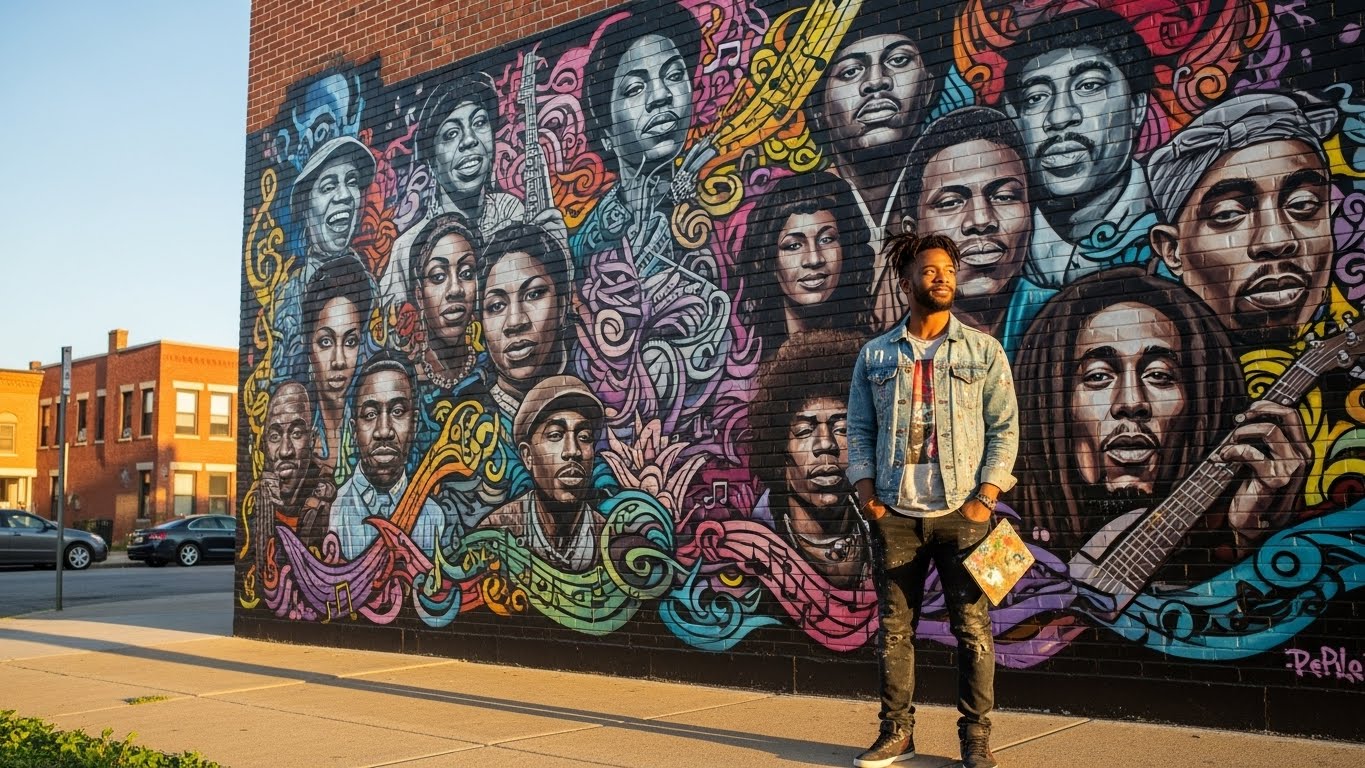
You can feel it the moment the beat drops. The rhythm hits deeper than sound—it is memory, movement, and message all woven together. Hip Hop and R&B are more than genres of music; they are cultural chronicles that have shaped generations, defined identity, and given voice to stories often left untold. What began as local expressions of struggle and pride have evolved into global movements that transcend language, geography, and time. The legacy of these genres is not only about where they came from but how they continue to inspire, challenge, and connect people around the world.
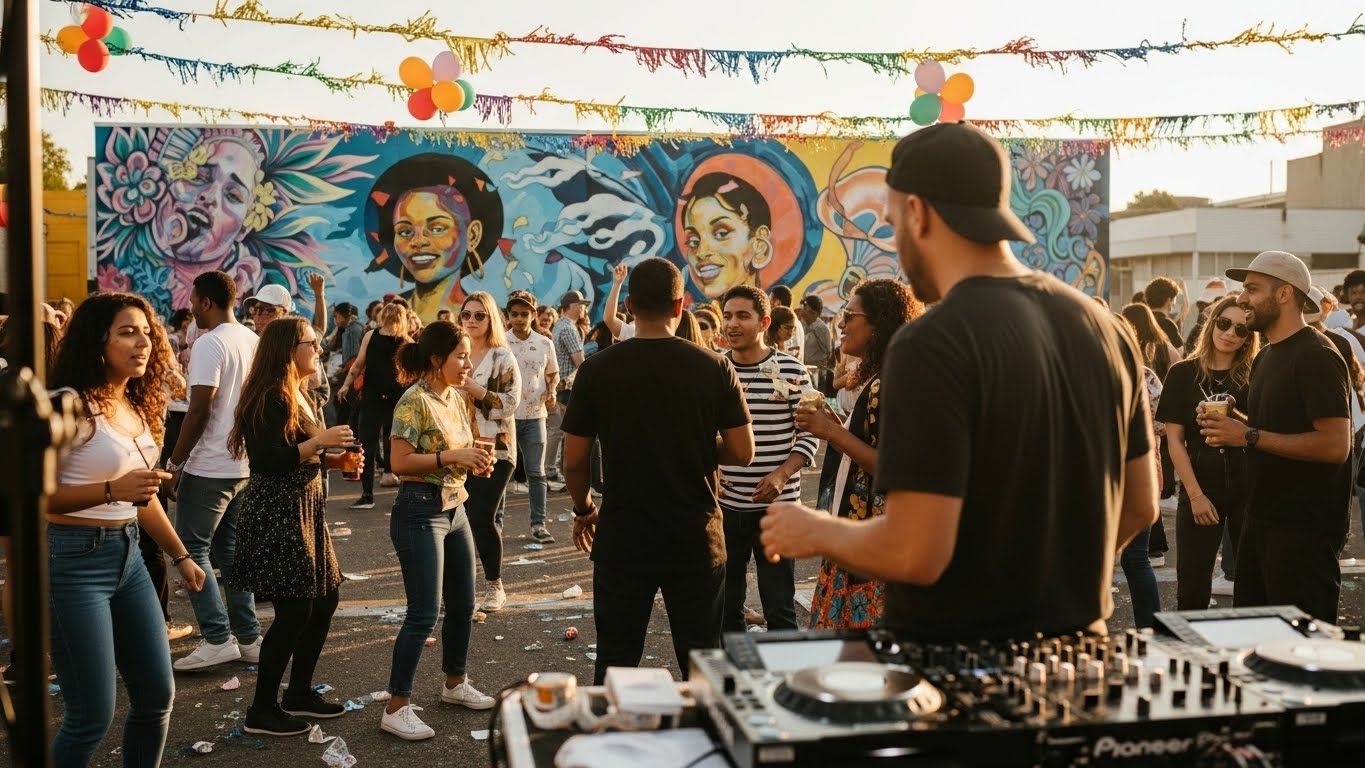
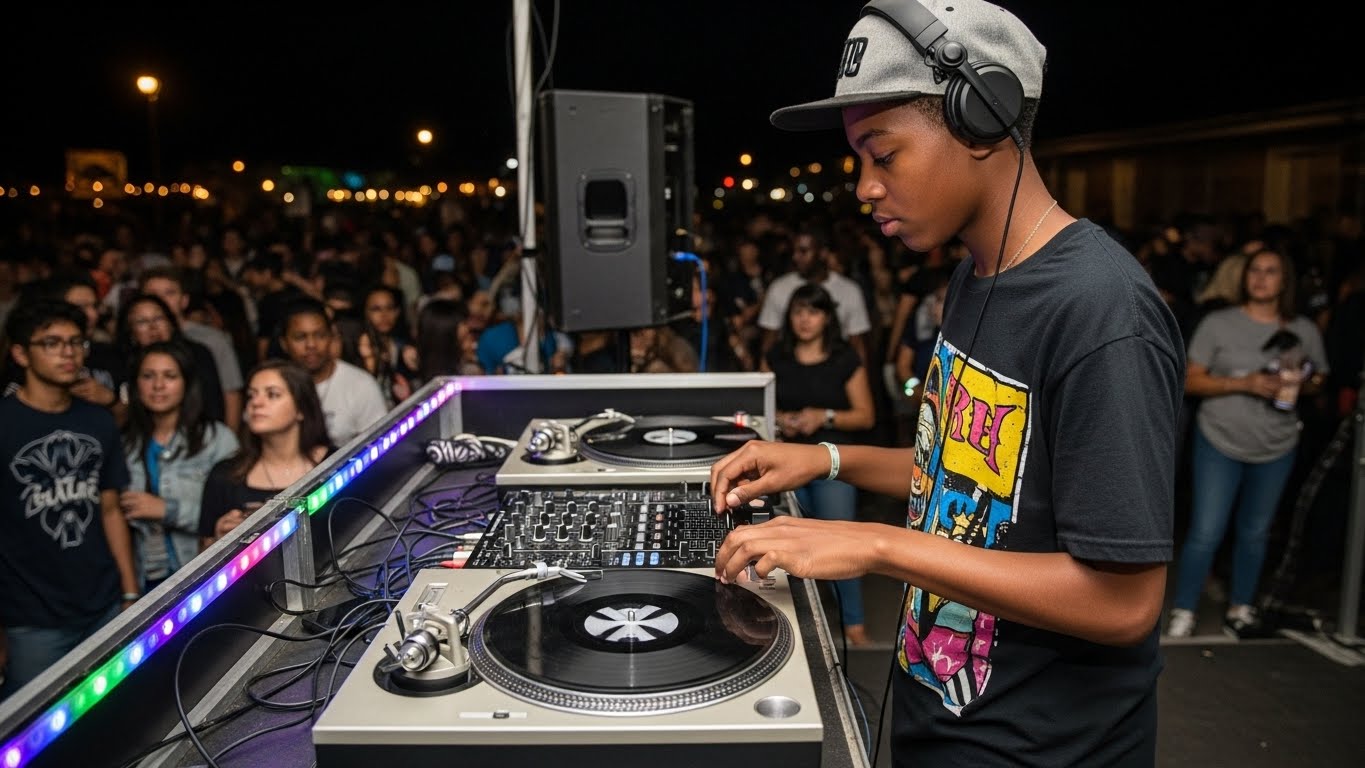
Hip Hop was born in the Bronx during the 1970s, not in a studio but on the streets. It was the sound of resilience, born from block parties, turntables, and the creative fire of communities determined to be heard. It started as a form of storytelling—a way to capture the truth of daily life when mainstream culture refused to see it. MCs became modern-day poets, speaking to realities of poverty, injustice, and aspiration. Over time, Hip Hop evolved from underground art to a global force, influencing everything from fashion to politics. Its rhythm carries rebellion and hope in equal measure.
R&B, with roots stretching back even further, provided the soulful foundation for this evolution. Emerging from gospel, blues, and jazz traditions, R&B has always been about emotion—the sound of the heart speaking its truth. Artists like Sam Cooke, Aretha Franklin, and Marvin Gaye gave voice to love, loss, and liberation. Their songs were both intimate and universal, blending powerful vocals with messages of resilience and social consciousness. R&B became the emotional pulse of Black culture and a bridge to the world, showing that vulnerability and strength can coexist in perfect harmony.
Together, Hip Hop and R&B formed a cultural dialogue—a balance between rhythm and soul, resistance and reflection. As the decades unfolded, each generation added new layers. The 1980s brought pioneering voices like Run-D.M.C., LL Cool J, and Prince, who blurred boundaries between sound and style. The 1990s became a golden era of artistry, where the lyrical storytelling of Tupac Shakur and The Notorious B.I.G. intertwined with the smooth innovation of artists like Mary J. Blige, TLC, and Boyz II Men. These voices did more than entertain; they defined identity for millions.
The new millennium pushed the genres into global consciousness. Artists like Beyoncé, Jay-Z, Kanye West, and Alicia Keys merged creativity with entrepreneurship, proving that cultural influence could shape business, activism, and fashion. The digital age only amplified this power. Streaming, social media, and collaboration allowed artists from around the world to contribute their voices to the rhythm. Hip Hop and R&B became universal languages, blending regional influences—from Afrobeat to Latin trap—into new, hybrid sounds that reflect our interconnected world.
What makes these genres timeless is their adaptability. Hip Hop and R&B evolve without losing their roots. They continue to mirror society’s triumphs and tensions, offering both escape and education. When you listen closely, you hear more than music—you hear the pulse of generations navigating love, identity, and justice. You hear artists turning struggle into strength and rhythm into revolution.
But perhaps the greatest power of Hip Hop and R&B lies in their ability to connect. They bring people together across boundaries of race, class, and nationality. A verse written in New York can inspire a teenager in Lagos. A melody born in Memphis can touch hearts in Tokyo. That connection reminds you that music is not just sound—it is shared humanity.
The evolution of these genres continues, led by a new generation unafraid to experiment and redefine the rules. Artists today blend genres, use their platforms to advocate for change, and honor the legacy of those who came before them. They understand that creativity is both a privilege and a responsibility.
When you look back on the story of Hip Hop and R&B, you see a reflection of history itself—resilient, diverse, and ever-changing. These voices shaped more than music; they shaped mindset. They turned rhythm into revolution and melody into meaning. And as long as there are stories to tell, Hip Hop and R&B will continue to echo through the generations, reminding you that truth set to rhythm has the power to change the world.